Cairo's property market is experiencing a sharp recalibration following recent zoning amendments that have restricted development permissions in core districts, triggering a visible divergence in affordability across neighbourhoods. Average prices hovering around EGP 80,000 per square metre citywide mask a more complex story: one shaped by where authorities now permit construction and where they do not.
The Greater Cairo Authority's revised planning framework, implemented across the first quarter of 2026, imposed stricter density caps on established residential zones including Maadi, Heliopolis, and central Zamalek. The intent was to preserve neighbourhood character and reduce infrastructure strain. The market outcome has been immediate. Properties in Maadi—traditionally Cairo's expat-preferred enclave—have seen prices consolidate around EGP 95,000–110,000 per sqm for new units, as sellers compete for limited approved inventory. Older stock in Zamalek's island neighbourhoods, where height restrictions now cap new builds at six storeys, command premium pricing precisely because new supply cannot materialise.
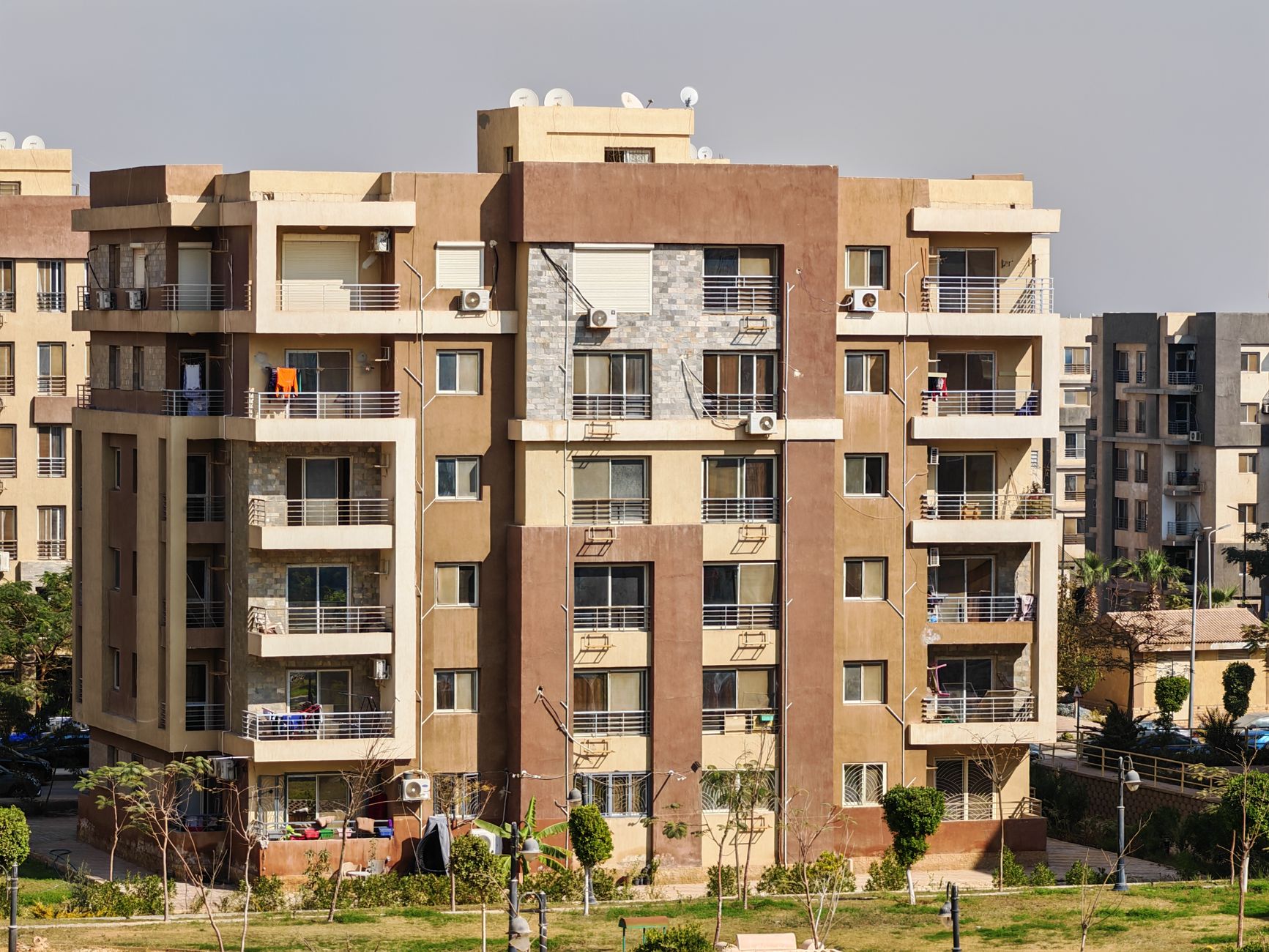
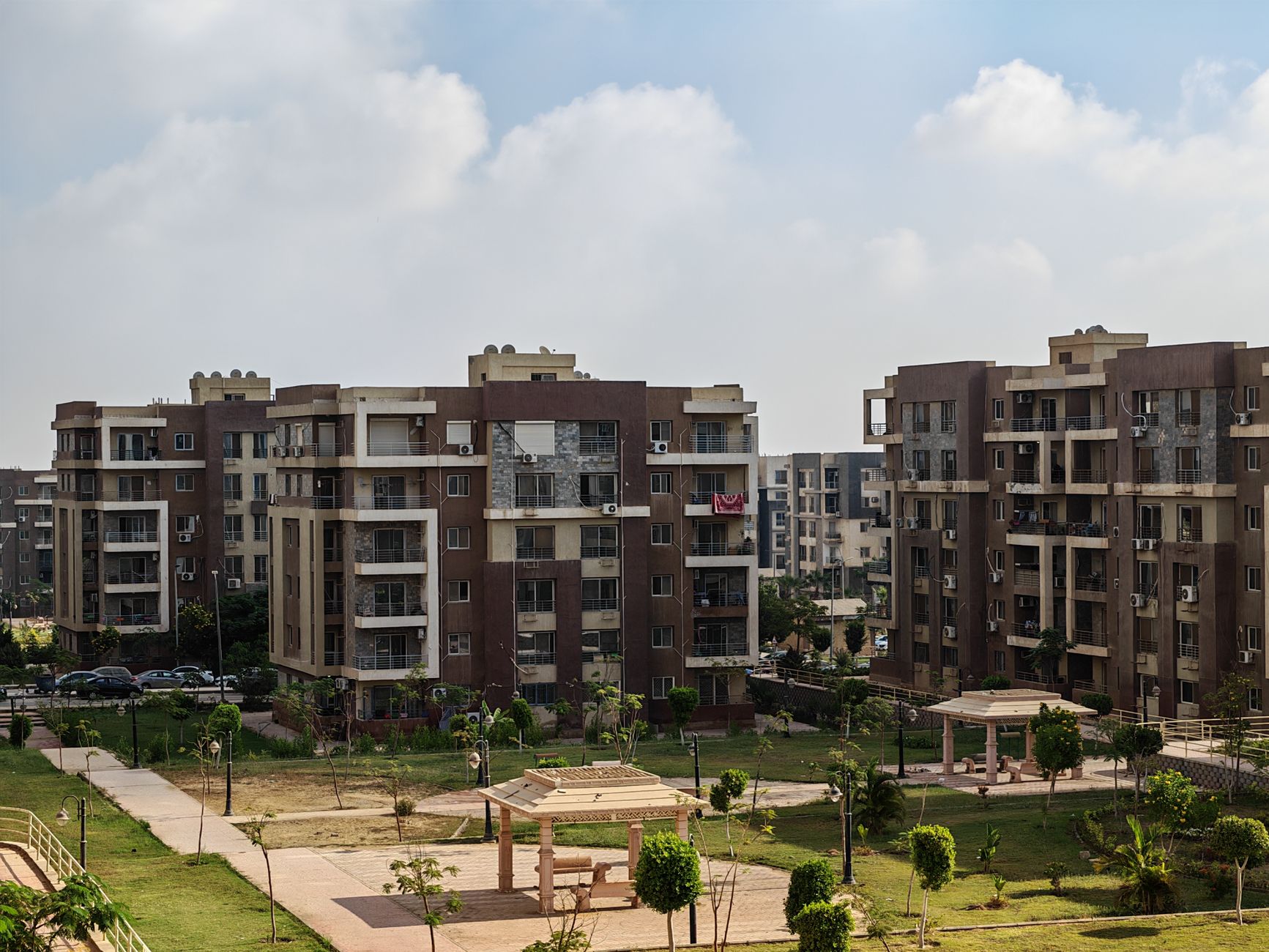
Meanwhile, October City and New Cairo suburbs continue absorbing demand from mid-market buyers priced out of central locations. These zones, where planning permissions remain relatively fluid, have seen modest price softening—down roughly 4–6 per cent year-on-year—as developers race to complete projects before anticipated further regulation tightens.
The New Administrative Capital presents a more complex picture. Despite government incentives and infrastructure investment, absorption remains slower than projected. Units there trade at competitive EGP 45,000–65,000 per sqm, yet uptake suggests institutional rather than organic demand. Policy messaging promoting relocation has not yet translated into the mass private migration planners anticipated.
Affordable housing policy also shifted markedly. The 'Home for a Home' framework for vulnerable families, announced last year, has begun redirecting publicly owned land parcels toward subsidised rental schemes rather than market sale. While socially progressive, this further constrains available development sites for mainstream developers, tightening supply at all income levels and sustaining upward price pressure in accessible neighbourhoods like parts of Giza and eastern 6th of October City.
Real estate professionals report increased client frustration. First-time buyers targeting properties below EGP 3 million—once feasible in established districts—now face options primarily in peripheral locations or ageing stock requiring renovation. Investors, conversely, see policy-induced scarcity as a hedge: restricted new supply supports rental yields and long-term value retention.
The cumulative effect is a market increasingly stratified by geography and policy proximity. Cairo's property story is no longer simply about price; it is about where the state permits growth to occur.
This article was compiled by AI and screened before publishing. See our editorial standards.