When the New Administrative Capital's first residential phases launched in 2021, investors weren't hunting for 15% annual returns. They were looking at 4–6%, long-term stability, and something rarer in Cairo's property market: genuine affordability underpinned by state backing.
Four years on, the numbers are in—and they tell a more nuanced story than headlines about Egypt's sprawling affordable housing programme suggest.
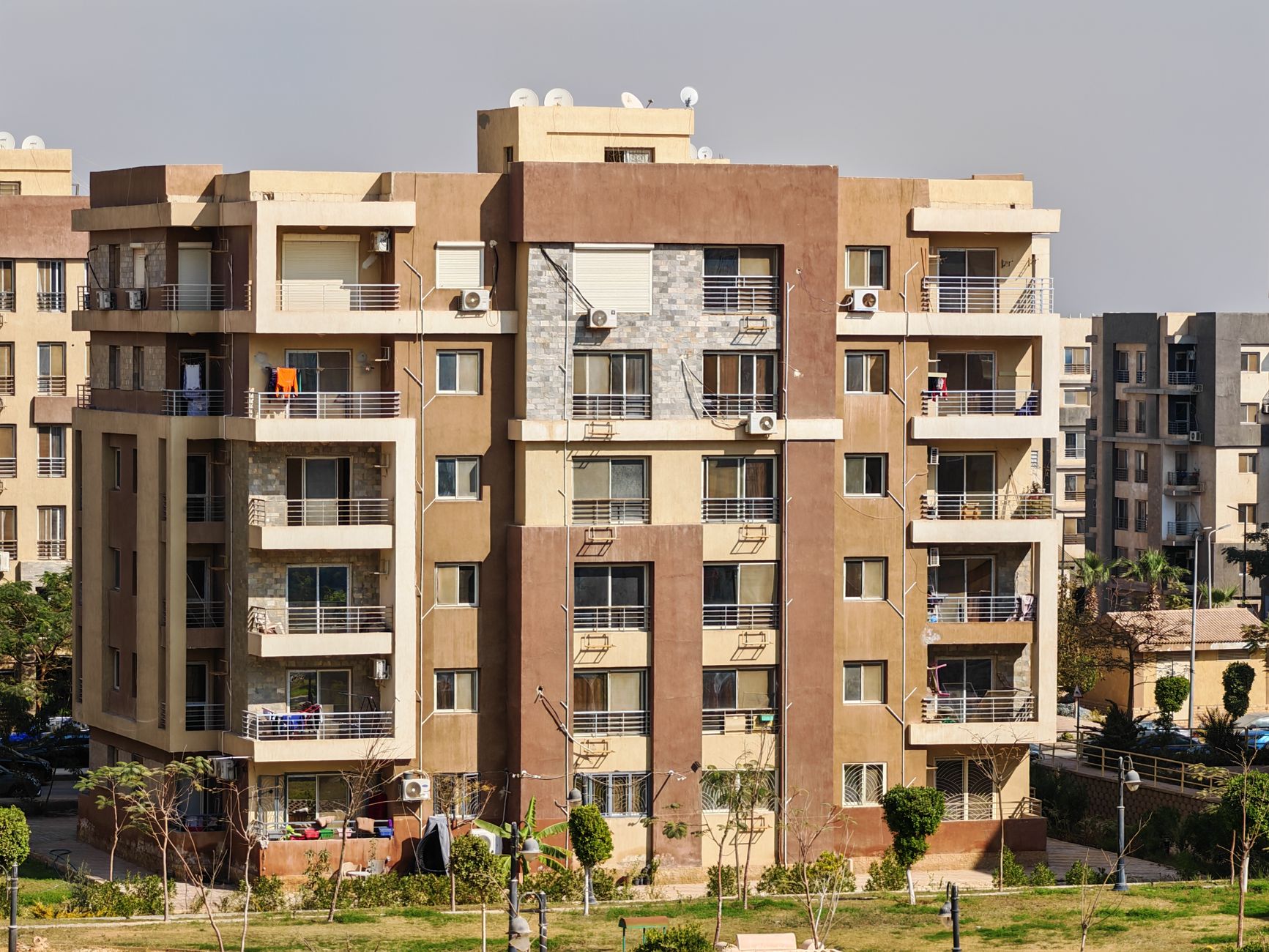
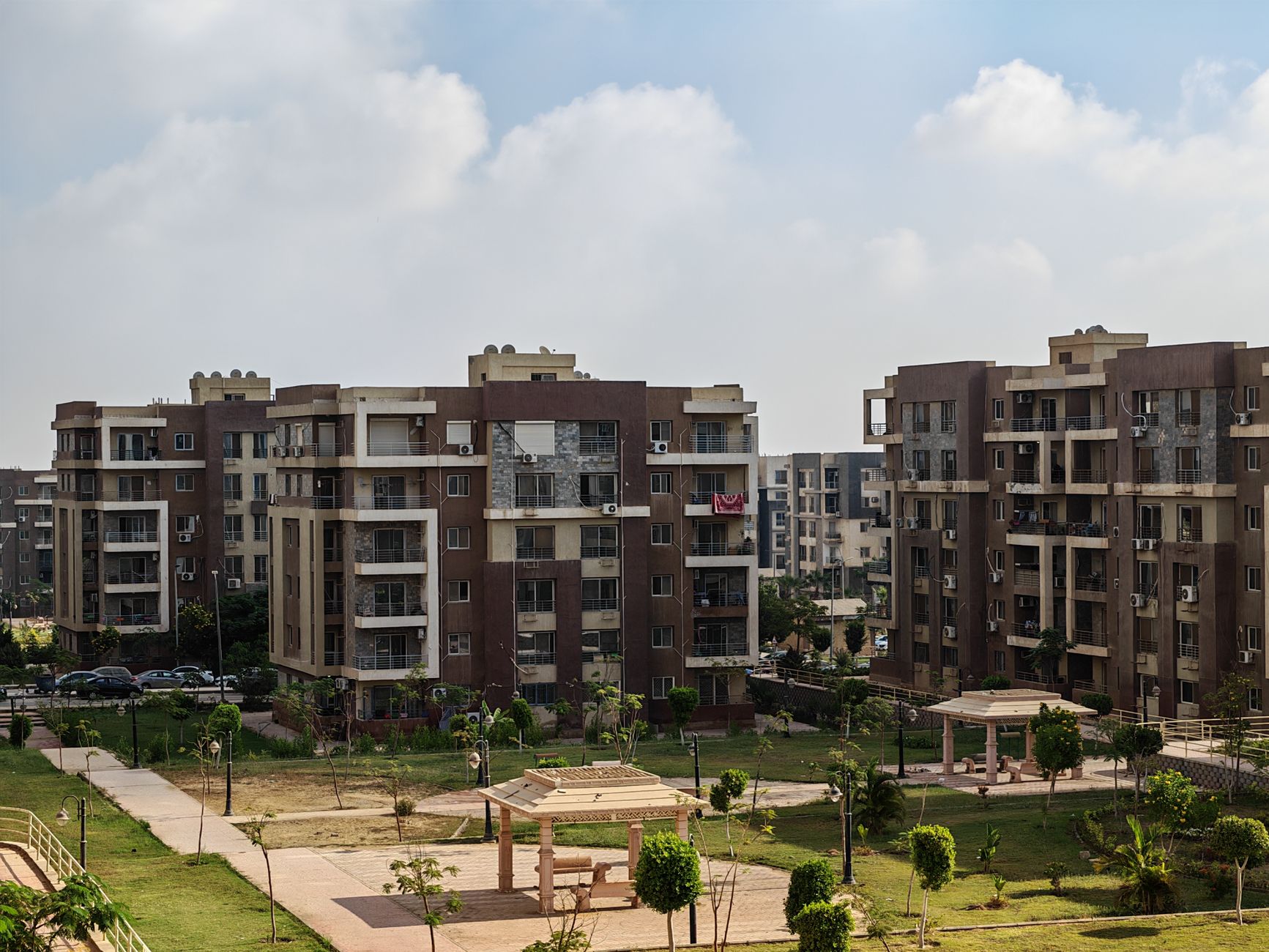
The government's Social Housing Fund has pumped units into developments across Helwan, the outskirts of October City, and satellite communities east of the Ring Road. Average yields on these state-backed schemes hover around 5–7% annually, significantly lower than the 9–12% returns traditional Cairo residential markets have historically offered. Yet they've attracted institutional investors, pension funds, and cautious individuals seeking defensive exposure.
The arithmetic is simple: a two-bedroom unit in New Cairo's affordable cluster on Al-Nakheel Road—priced around EGP 1.2–1.5 million—rents for roughly EGP 6,000–7,500 monthly. That translates to gross yields of 5–6%. Compare that to a premium Zamalek apartment trading at EGP 15 million with rental income of EGP 8,000–10,000 monthly, and the yield drops to 0.6–0.8%. Even Maadi's middle market, beloved of expat families, delivers only 3–4% in many postcodes.
What explains the appetite for lower returns? Occupancy rates. In Cairo's fragmented rental market, holding a luxury unit vacant for months isn't uncommon. Affordable housing schemes, by contrast, have logged occupancy rates above 92% across Helwan and New Cairo developments. Long-term lease agreements—often 10 years or more—lock in tenants and remove the marketing friction that plagues premium properties.
Yet policy data reveals friction elsewhere. The Social Housing Fund target of 500,000 units by 2030 assumes steady government funding and regulatory consistency. Recent clearance rates on land sales, while recovering, remain below pre-pandemic benchmarks. Supply-side constraints—construction delays, materials costs climbing 8–12% annually—are eating into developer margins, pressuring yields downward.
For institutional investors, the real metric isn't annual rent divided by purchase price. It's capital appreciation plus income over 10–15 years, hedged against inflation running 25–30%. Early cohorts of New Cairo affordable units have appreciated 6–9% annually since launch—modest, but beating savings accounts and government bonds after currency headwinds.
The takeaway: Cairo's affordable housing isn't a speculative play. It's a defensive, inflation-hedged holding yielding mid-single digits with strong occupancy. For a market conditioned to chase double-digit gains, that's a signal that the sector is maturing—and that real estate's wild frontier days may be receding into the rear-view mirror.
This article was compiled by AI and screened before publishing. See our editorial standards.