First-time buyers face rental squeeze as landlords tighten purse strings on market support
Cairo's rental market dysfunction is pushing young tenants toward homeownership, but grants and financing gaps remain stubbornly wide.
Cairo's rental market dysfunction is pushing young tenants toward homeownership, but grants and financing gaps remain stubbornly wide.
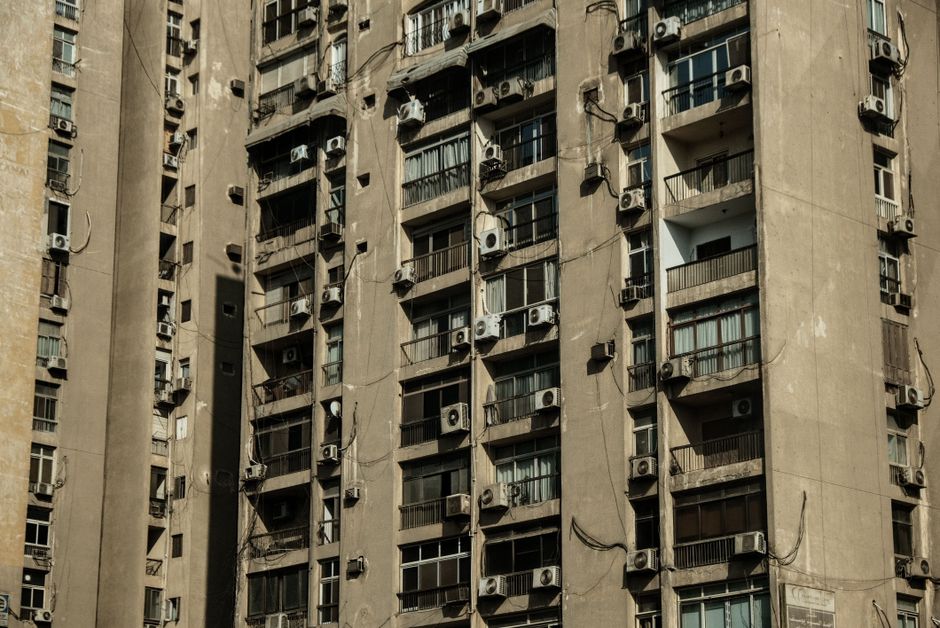
The rental market in Cairo has become increasingly precarious for first-time buyers saving for a down payment. Across Maadi, Zamalek, and New Cairo, landlords are raising rents faster than wages grow, forcing aspiring homeowners to abandon the traditional saving pathway altogether.
Data from property portals shows average rental yields in premium neighbourhoods like Zamalek have climbed to 4.2 per cent annually, while rents themselves have surged 12-18 per cent year-on-year in central Cairo since 2024. For a one-bedroom apartment on Nile Street in Maadi, tenants now face asking prices of EGP 3,500-4,500 monthly—money that could otherwise accumulate toward a property purchase in October City or New Cairo, where entry-level units start around EGP 2.4-3 million.
The disconnect has created a critical gap in the first-time buyer pipeline. The Central Bank's mortgage facility remains underutilised, partly because landlords have little incentive to work with tenants seeking to exit the rental cycle. Without stable, long-term lease agreements—most Cairo landlords still prefer annual renewals at inflated rates—young professionals cannot build the financial credibility lenders demand.
Government grants exist but lack visibility. The New Administrative Capital's developer incentives have drawn attention away from established neighbourhoods, leaving Cairenes in Heliopolis, Garden City, and Dokki scrambling for support programmes that were never adequately publicised. Banks like CIB and ADIB offer first-time buyer schemes with rates starting at 7.5 per cent, but deposit requirements—typically 20 per cent—remain a structural barrier when rental payments already consume 35-45 per cent of monthly income.
The rental crisis has paradoxically accelerated informal property transactions. Parents increasingly gift down payments to adult children, sidestepping formal finance altogether. Meanwhile, landlords holding multiple units in Giza and outlying areas see little reason to negotiate longer leases, knowing market demand remains robust.
Until Cairo's rental regulation catches up with market reality, first-time buyers will continue facing a no-win scenario: pay inflated rents indefinitely, or rush into purchases without adequate savings. The solution requires coordinated action—modernised lease protections, transparent grant eligibility, and lender flexibility on non-traditional income documentation—none of which yet appears on policymakers' immediate agenda. For now, young Cairenes remain trapped between a landlord's market and an inaccessible property ladder.
This article was compiled by AI and screened before publishing. See our editorial standards.
How does this story make you feel?
Spread the word
About this article
Published by The Daily Cairo
Daily brief
Free, in your inbox before 7am. Weekdays.
More in Property