Cairo's property market is experiencing a pivotal transformation. The approval and construction of large-scale developments across the capital—and beyond—are reshaping where Cairenes want to live, work, and invest, with ripple effects across established neighbourhoods and emerging zones.
The most significant catalyst remains the New Administrative Capital, located roughly 45 kilometres east of central Cairo. Since its phased rollout began in 2019, the NAC has absorbed considerable investment and government focus, drawing professionals and families seeking modern infrastructure and planned urban design. Current prices in the NAC hover around EGP 120,000–150,000 per square metre for new developments, substantially higher than central Cairo's approximate EGP 80,000 average, yet justified by amenities, security, and long-term value projections. This gravitational pull has prompted established neighbourhoods like Maadi and Heliopolis to introduce their own modernisation initiatives—not full redevelopment, but strategic densification and renovations to remain competitive.
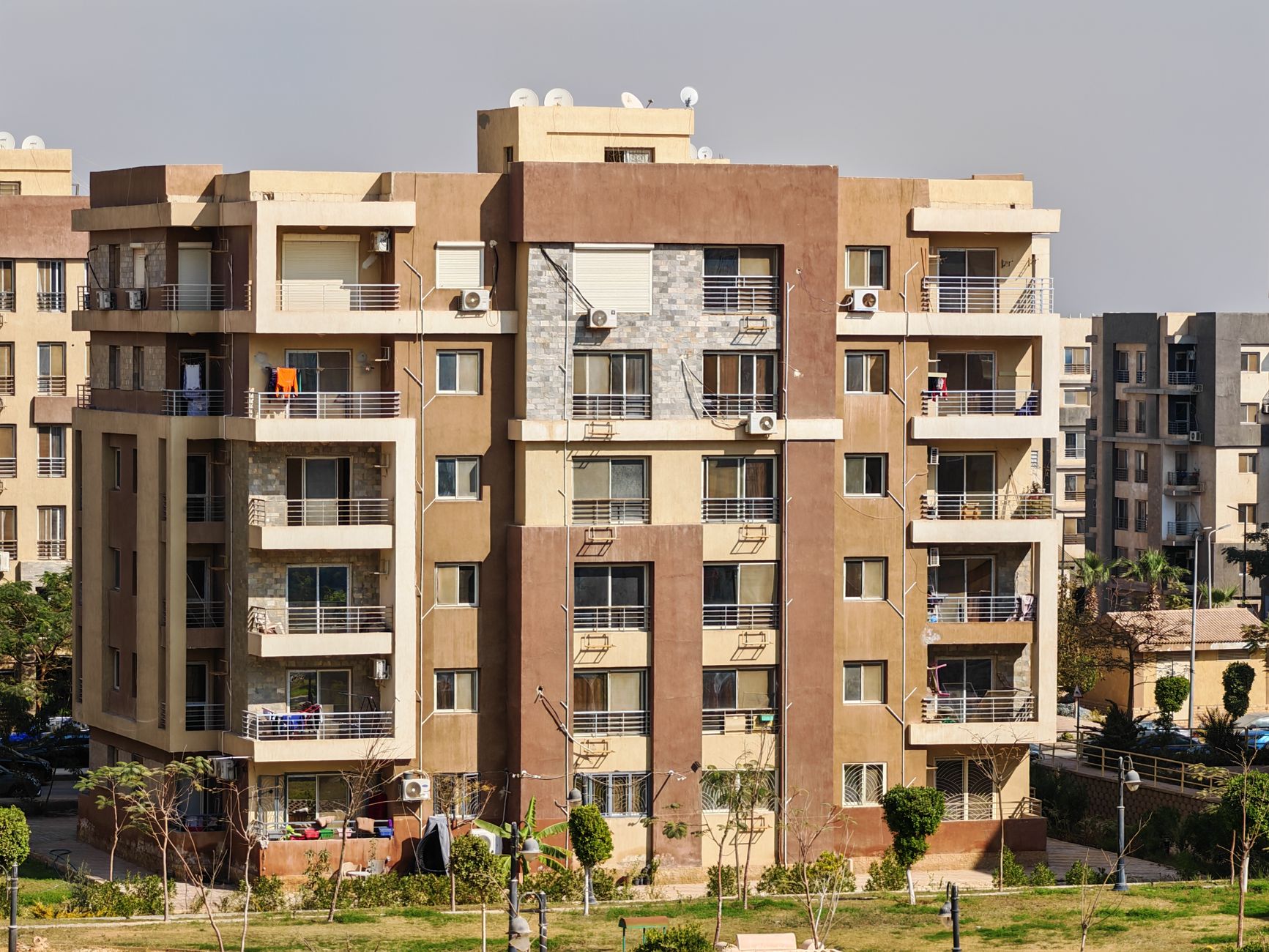
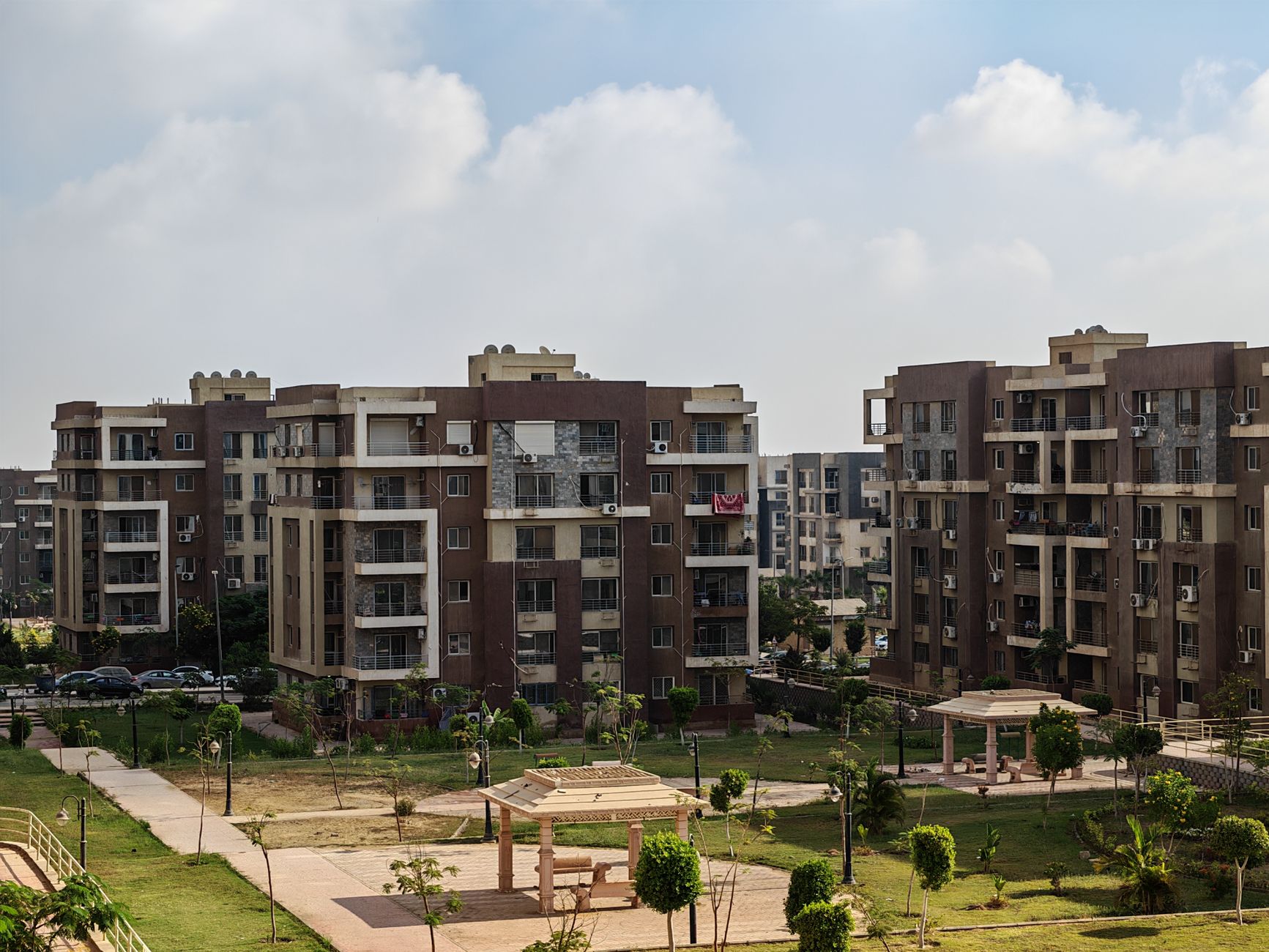
Meanwhile, October City and New Cairo continue attracting residential and commercial projects. Several major approvals in 2025–2026 include mixed-use complexes combining retail, office space, and mid-to-premium housing. These projects address a structural gap: Cairo's middle-income housing shortage. At current supply rates, developers are racing to capture this demographic before saturation. One consequence is the gradual depreciation of older, unmodernised properties in central districts, while zones with infrastructure upgrades see appreciation.
Zamalek and Garden City, Cairo's traditional luxury enclaves, are responding differently. Rather than large-scale new construction—limited by island geography and heritage preservation—these areas are witnessing selective renovations and boutique projects targeting ultra-high-net-worth buyers. Zamalek properties now regularly exceed EGP 200,000 per square metre.
The regulatory environment has also shifted. Egypt's General Authority for Real Estate Finance and Investment (GAREFI) has streamlined approval processes, reducing timelines for eligible developers. This has accelerated groundbreakings along the Cairo-Suez road corridor and near the 6th of October Bridge, historically slower-moving zones now positioned as future employment hubs.
For existing residents and investors, the implications are clear: proximity to new projects—whether residential, commercial, or transport infrastructure—increasingly determines property trajectories. Neighbourhoods gaining metro extensions or integrated commercial zones experience capital appreciation; those bypassed see stagnation.
The challenge ahead is sustainable growth. Cairo's infrastructure—water, electricity, traffic—remains strained. Regulatory bodies must ensure developments include adequate utilities and public services, not merely profit-driven construction. For property owners, the lesson is timing: early entry into emerging zones with approved infrastructure offers returns, but later entrants face inflated prices without certainty of delivery or utility adequacy.
This article was compiled by AI and screened before publishing. See our editorial standards.