Cairo's rental squeeze: what rising vacancy and falling auction prices are telling tenants
Mixed signals from the market—empty units pile up while prices soften—suggesting a window of opportunity before the next cycle turns.
Mixed signals from the market—empty units pile up while prices soften—suggesting a window of opportunity before the next cycle turns.
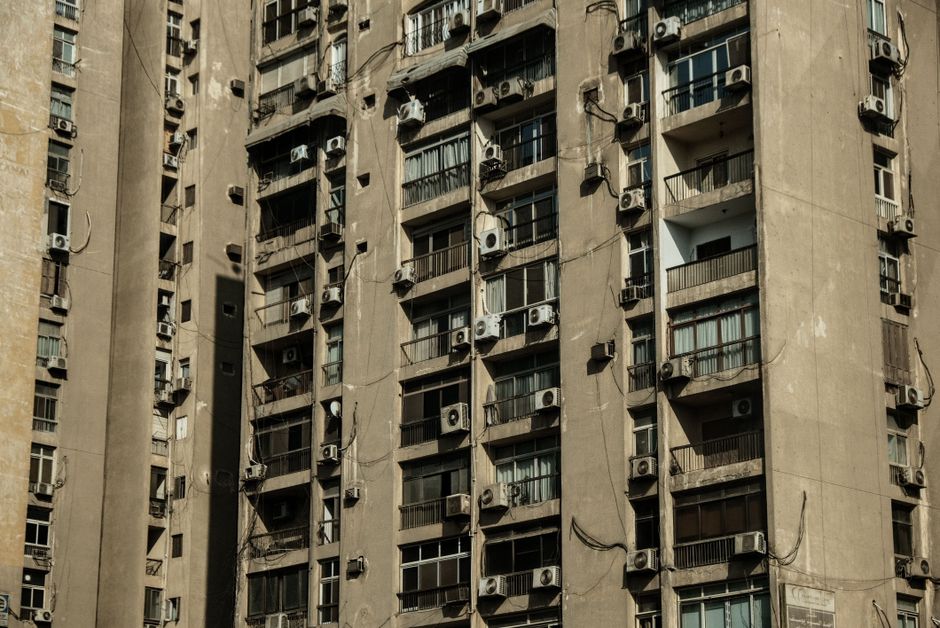
Cairo's rental market is sending contradictory messages. On one hand, vacancy rates in premium districts have climbed to levels unseen in three years. On the other, recent property auctions reveal something unexpected: soft pricing on mid-range units, even as new developments command attention.
The data tells a story worth understanding before signing a lease.
Across Zamalek and the Nile-side stretches of Maadi, property managers report that furnished two-bedroom apartments—traditionally the backbone of the expat rental pool—are lingering on the market 30 to 40 days longer than they did in early 2024. Average asking rents on the island have plateaued around EGP 4,200 to 5,100 per square metre annually, a sharp contrast to the 8–12% year-on-year growth Cairo saw between 2020 and 2023. Similar patterns appear along Road 9 in New Maadi, where mid-range family properties are seeing modest rental cuts to move inventory.
Yet auctions tell a different story. Recent clearance rates on Cairo properties—tracked informally by agents and documented in property registry data—have dipped below historical averages. Sellers, it seems, are willing to negotiate rather than hold. For tenants, this is significant. A softer auction environment typically signals landlord nervousness, which eventually translates into rental flexibility.
New Cairo and October City present a third dimension. These emerging suburban anchors continue attracting young professionals and families seeking affordability and newer infrastructure. Rental yields there (typically 5–6% annually) remain attractive compared to central Cairo (3–4%), drawing investors despite the broader market hesitation. Heliopolis, meanwhile, sits in an uncomfortable middle ground: old enough to feel dated, expensive enough to seem risky.
The New Administrative Capital hasn't yet fractured the Cairo rental market, but it's creating psychological headwinds. Institutional interest in NAC properties—both residential and commercial—has pulled some capital away from traditional Cairo addresses.
What does this mean for tenants? First, this is a buyer's (or renter's) market. Landlords holding vacant units are feeling pressure; furnished flats in central locations now negotiate at 10–15% below asking in some cases. Second, lease terms are loosening. Twelve-month minimums are increasingly flexible, and furnished options are more readily available. Third, premium areas like Zamalek offer no rental premium anymore—the expat tax has evaporated as supply has normalized.
For those planning to rent in the next six months, the auction data suggests this window won't last. Once inventory clears and vacancy normalises, pricing power returns to landlords. The softness visible in June 2026 reflects a temporary imbalance. Tenants should move decisively while negotiating leverage exists.
This article was compiled by AI and screened before publishing. See our editorial standards.
How does this story make you feel?
Spread the word
About this article
Published by The Daily Cairo
Daily brief
Free, in your inbox before 7am. Weekdays.
More in Property