Why Cairo's Affordable Housing Dream Is Slipping Away: What You Need to Know Now
New supply bottlenecks, construction costs, and shifting government priorities are reshaping the market for middle-income buyers across the capital.
New supply bottlenecks, construction costs, and shifting government priorities are reshaping the market for middle-income buyers across the capital.
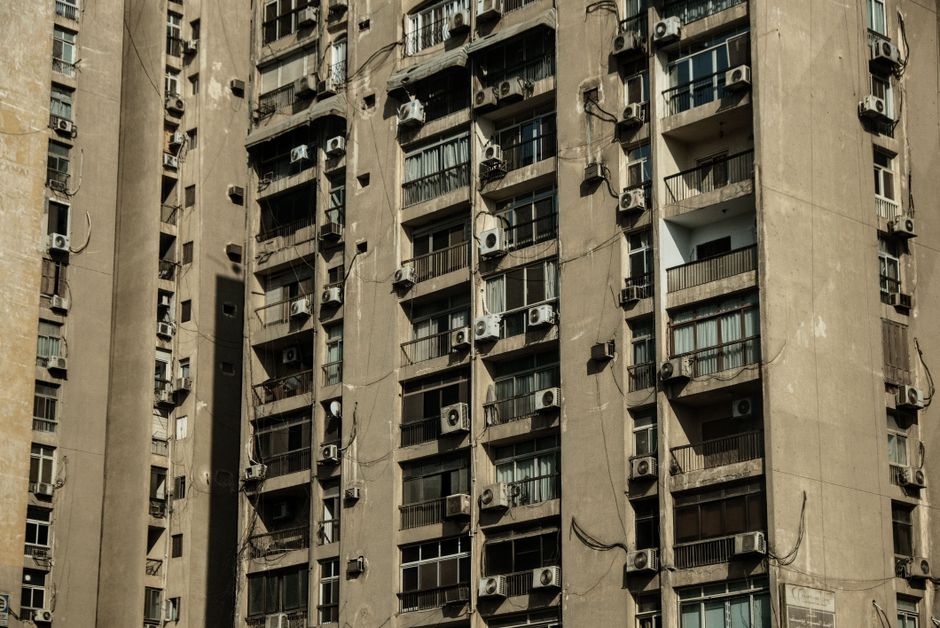
Cairo's affordable housing market is undergoing a quiet crisis. While luxury developments continue to dominate headlines—and prices in Zamalek and New Cairo hover well above EGP 150,000 per square metre—ordinary Cairenes searching for homes in the EGP 60,000–100,000 range are facing a shrinking pool of options and mounting pressure on their budgets.
The fundamental issue is supply. Government-backed affordable housing projects, once positioned as pillars of the National Housing Programme, have stalled in key locations. In Helwan and 6th of October City, where planners promised thousands of units for middle-income families, delivery timelines have stretched beyond initial promises. Meanwhile, private developers—facing higher material costs and tighter financing—are increasingly turning away from the affordable segment in favour of mid-to-premium products that command healthier margins.
Construction expenses tell the story. Labour and cement prices have risen sharply since 2024, eroding the already-thin margins on lower-priced units. Developers working on affordable projects in areas like New Cairo's fringe zones report cost pressures that make the EGP 80,000 per square metre benchmark—once achievable—increasingly difficult to maintain without compromising quality or location.
Interest rates compound the problem. Mortgage lending has tightened, and those qualifying for finance face higher monthly commitments. First-time buyers in eastern neighbourhoods like Nasr City and Heliopolis, historically the entry point for middle-class ownership, now find themselves priced out or forced to extend repayment periods well beyond 20 years.
What should buyers know now? First, location flexibility is essential. Neighbourhoods further from central Cairo—Shorouk, the New Administrative Capital satellite zones, and parts of 10th of Ramadan City—still offer relative value, though transport links remain patchy. Second, government-backed housing schemes, despite delays, still represent the most predictable pricing. The latest tranches of New Urban Communities Authority projects, though slower to deliver, maintain fixed pricing advantages unavailable in the private market.
Third, timing matters. With inflation pressuring costs upward through 2026, waiting for prices to fall is unrealistic. Those with financing capacity should move before the next cost adjustment cycle.
The affordable housing squeeze is no longer a future problem—it's reshaping Cairo's demographic map now. Middle-income families are being pushed further from the centre, while the capital's core becomes increasingly stratified. For policymakers, the challenge is acute: without intervention, Cairo risks creating a housing market that serves the wealthy and the subsidised, with nothing in between.
This article was compiled by AI and screened before publishing. See our editorial standards.
How does this story make you feel?
Spread the word
About this article
Published by The Daily Cairo
Daily brief
Free, in your inbox before 7am. Weekdays.
More in Property