Cairo's Rental Squeeze: How Shifting Market Conditions Are Reshaping the Deal Between Tenants and Landlords
As vacancy rates climb and inflation eats into household budgets, Egypt's capital faces a critical moment in its rental housing landscape.
As vacancy rates climb and inflation eats into household budgets, Egypt's capital faces a critical moment in its rental housing landscape.
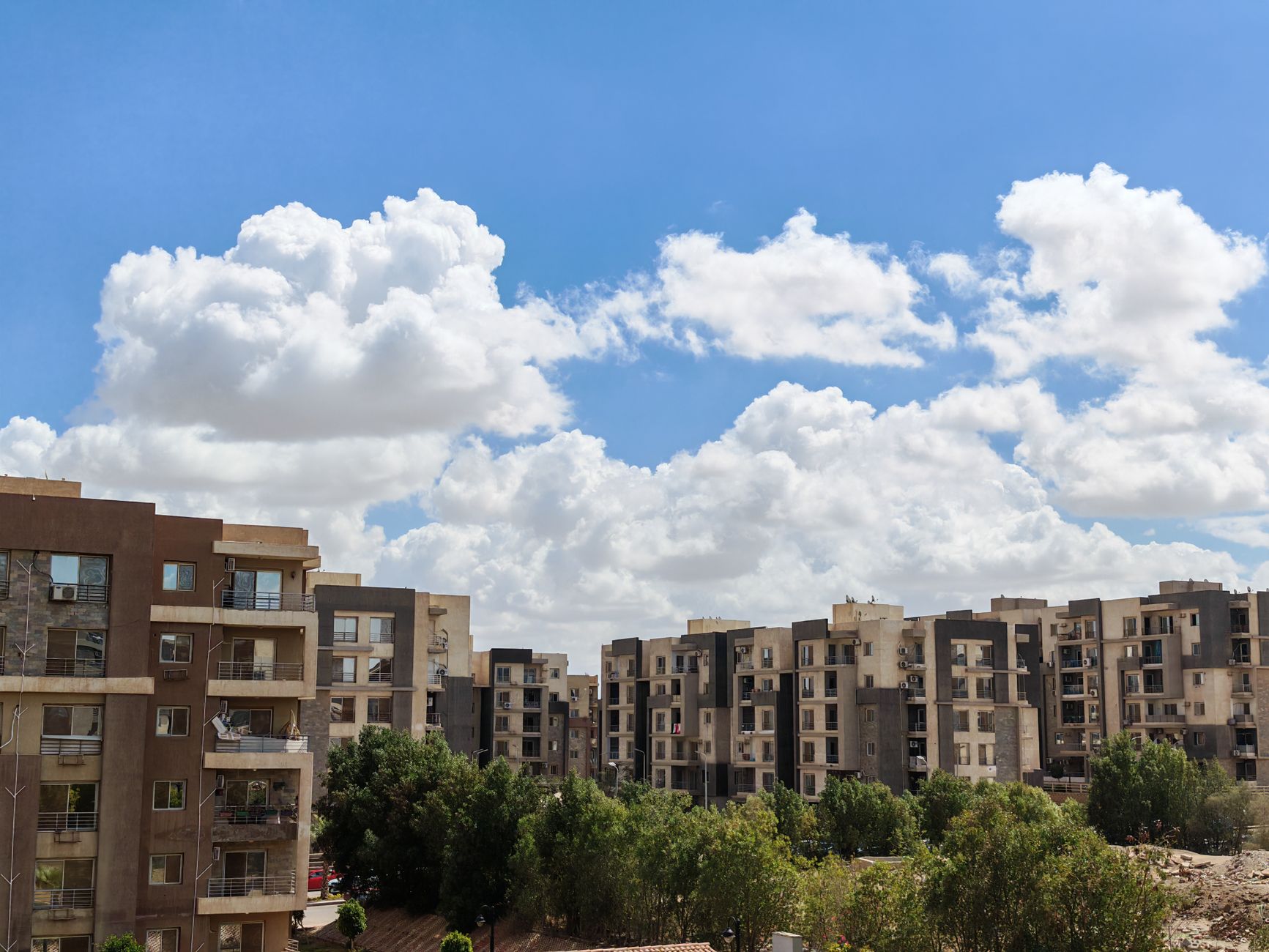
Walk along Sherif Street or browse listings in Heliopolis, and you'll see the signs: landlords are getting nervous. After years of steady rental appreciation in Cairo's premium districts—where properties in Zamalek command EGP 3,000–5,000 per square metre annually—the rental market is experiencing a rare shift. Vacancy rates in popular expat enclaves like Maadi are climbing. Tenants, increasingly squeezed by inflation and cautious spending, are negotiating harder than they have in a decade.
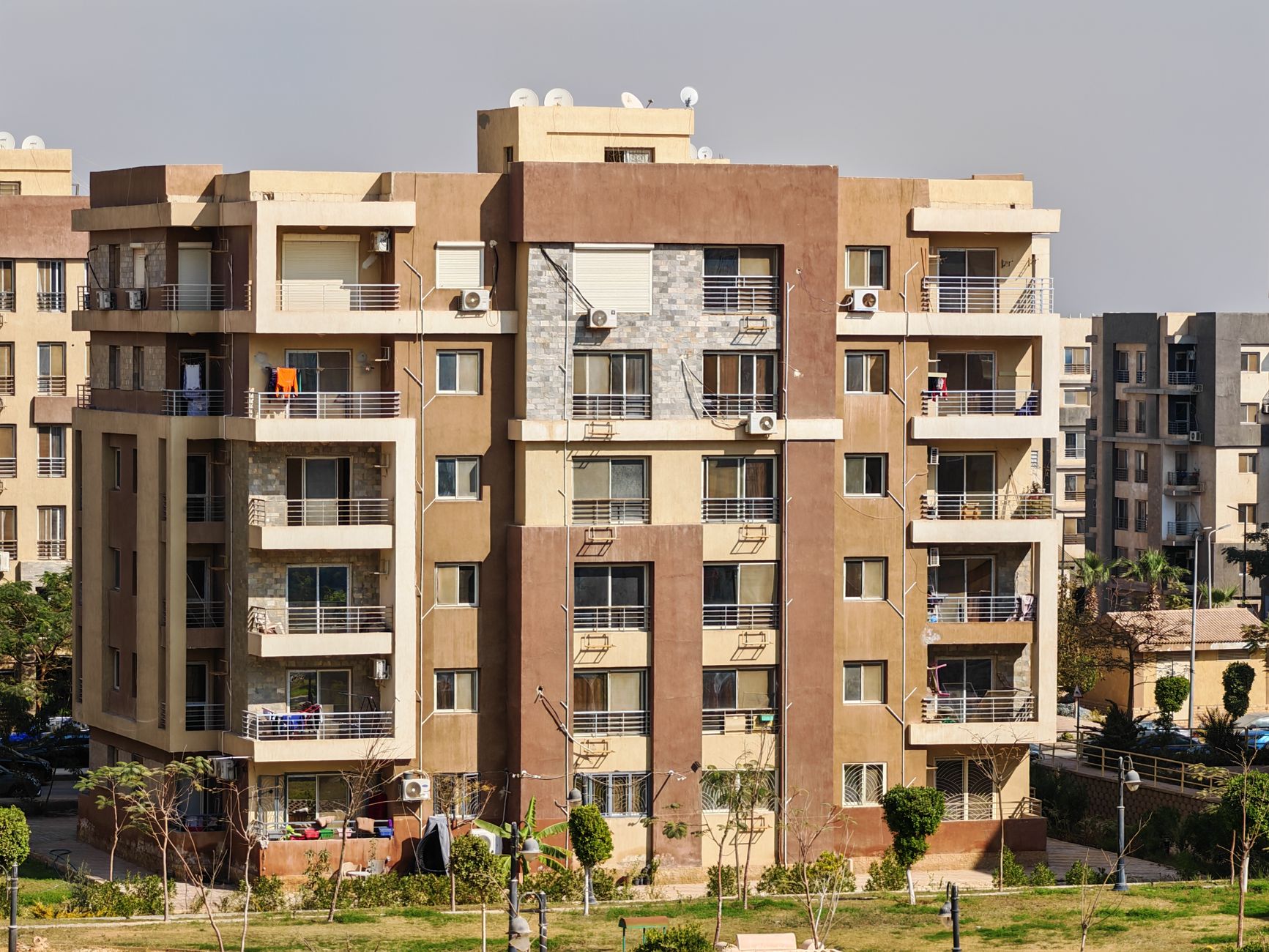
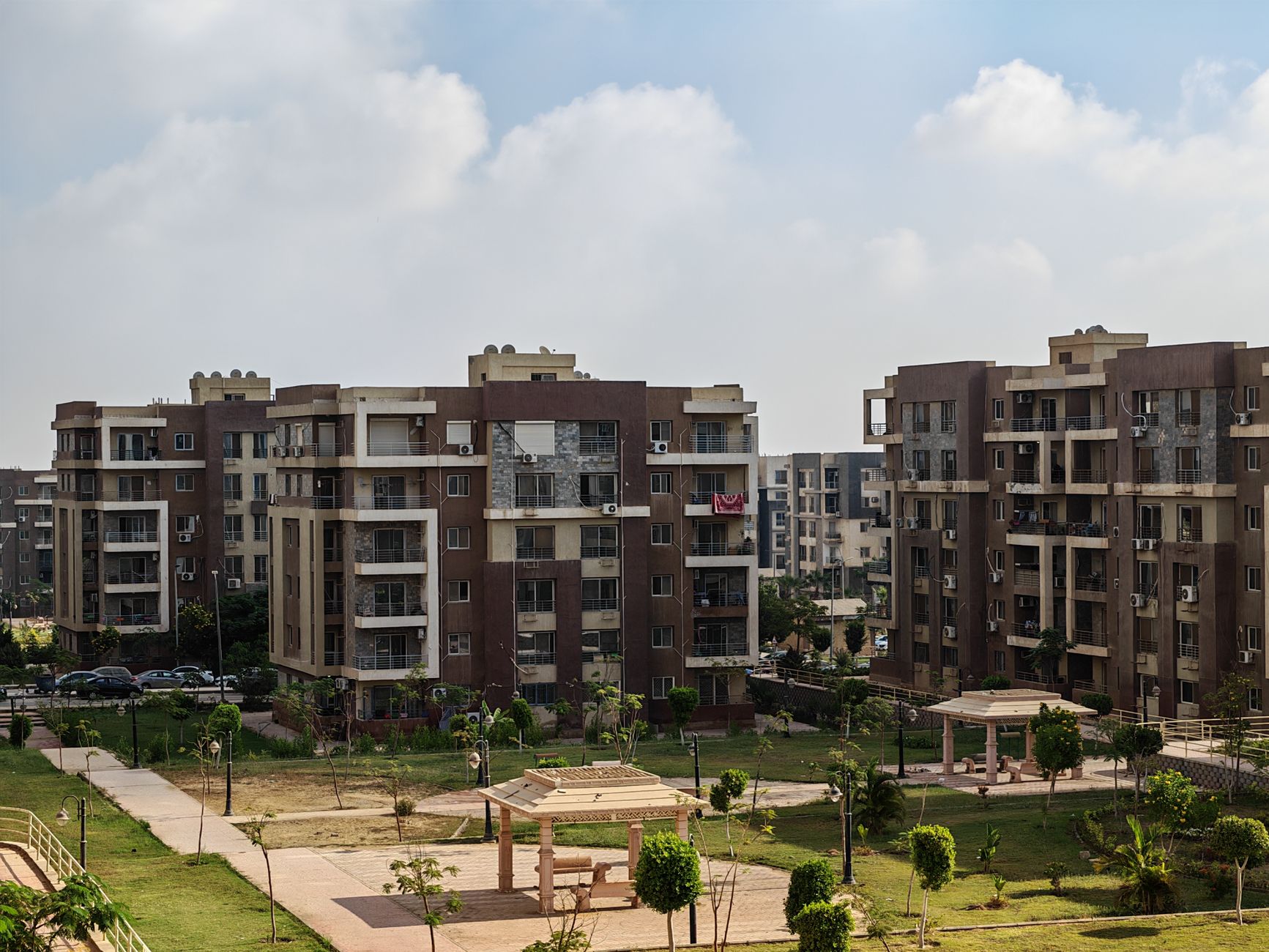
The pressure cuts both ways. Long-term landlords who've held properties in October City or New Cairo since the mid-2010s are watching their yield assumptions crumble. A modest two-bedroom apartment that reliably attracted EGP 8,000–12,000 monthly rent three years ago now sits empty for months, with owners forced to accept 15–20% discounts to attract tenants. Meanwhile, families searching for affordable housing in recognised neighbourhoods face an impossible calculus: pay inflated rents that consume 40–50% of household income, or accept longer commutes to peripheral areas where supply is abundant but infrastructure lags.
Government initiatives have attempted to address this imbalance. The Ministry of Housing's affordable housing schemes, including projects in the New Administrative Capital, aim to ease long-term supply pressure. Yet delivery timelines remain sluggish, and units priced between EGP 600,000–1.2 million appeal mainly to buyers, not renters struggling with monthly cash flow.
The rental standoff is reshaping behaviour. Landlords in Dokki and Garden City are increasingly offering furnished short-term leases—once a niche market—to maximise utilisation and hedge currency risk. Tenant advocacy groups report growing disputes over maintenance responsibilities and deposit returns, as both parties tighten their positions. Some property management firms operating from offices in Downtown Cairo's restored heritage buildings have seen demand for dispute resolution services double.
Experts tracking the market note that Cairo's rental dynamics are now decoupling from purchase prices. While sales in New Cairo and premium zones remain resilient, supported by investor demand, rental yields have compressed. For families and young professionals—the backbone of Cairo's renter class—the divergence means housing security feels increasingly fragile.
Whether the rental market finds equilibrium or continues tightening will test policymakers' commitment to affordable housing. For now, Cairo's tenants and landlords are locked in an uneasy dance, each hoping market conditions shift in their favour.
This article was compiled by AI and screened before publishing. See our editorial standards.
How does this story make you feel?
Spread the word
About this article
Published by The Daily Cairo
Daily brief
Free, in your inbox before 7am. Weekdays.
More in Property