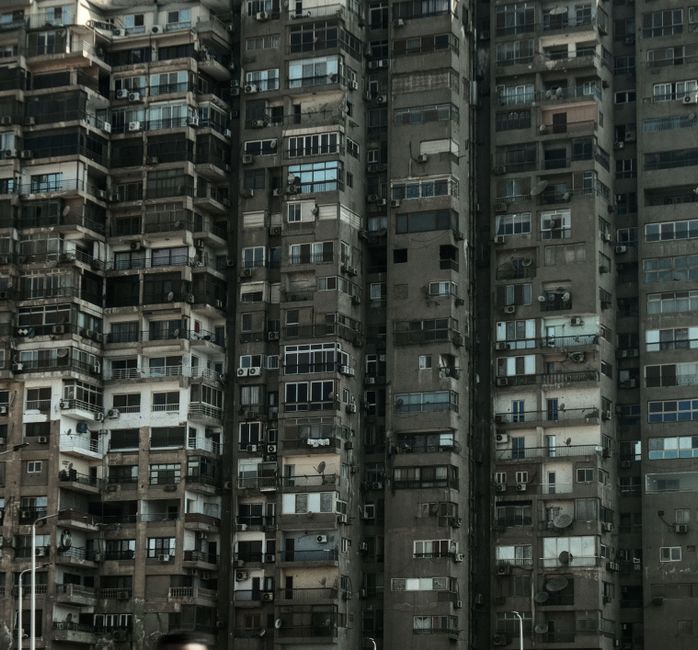
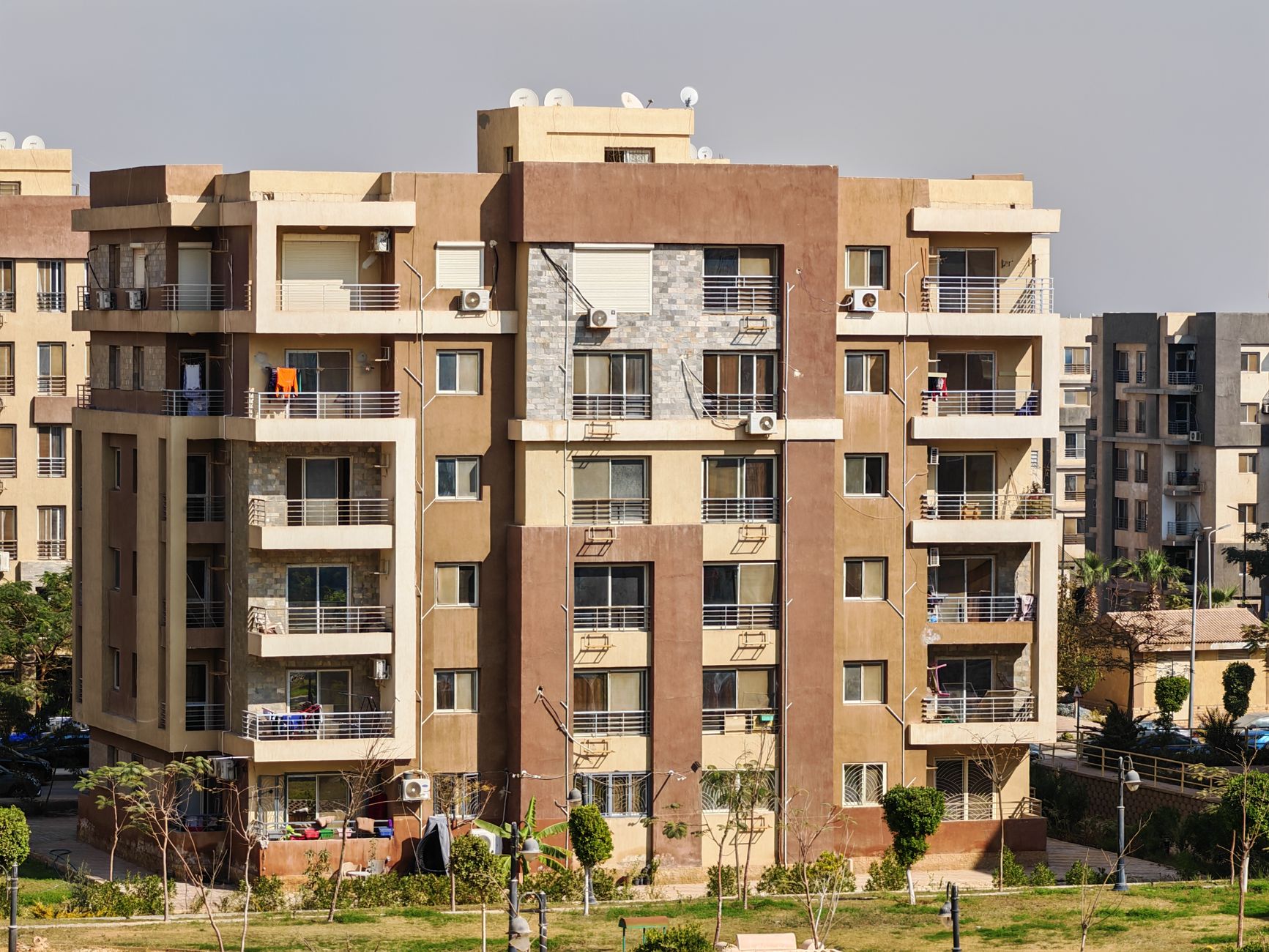
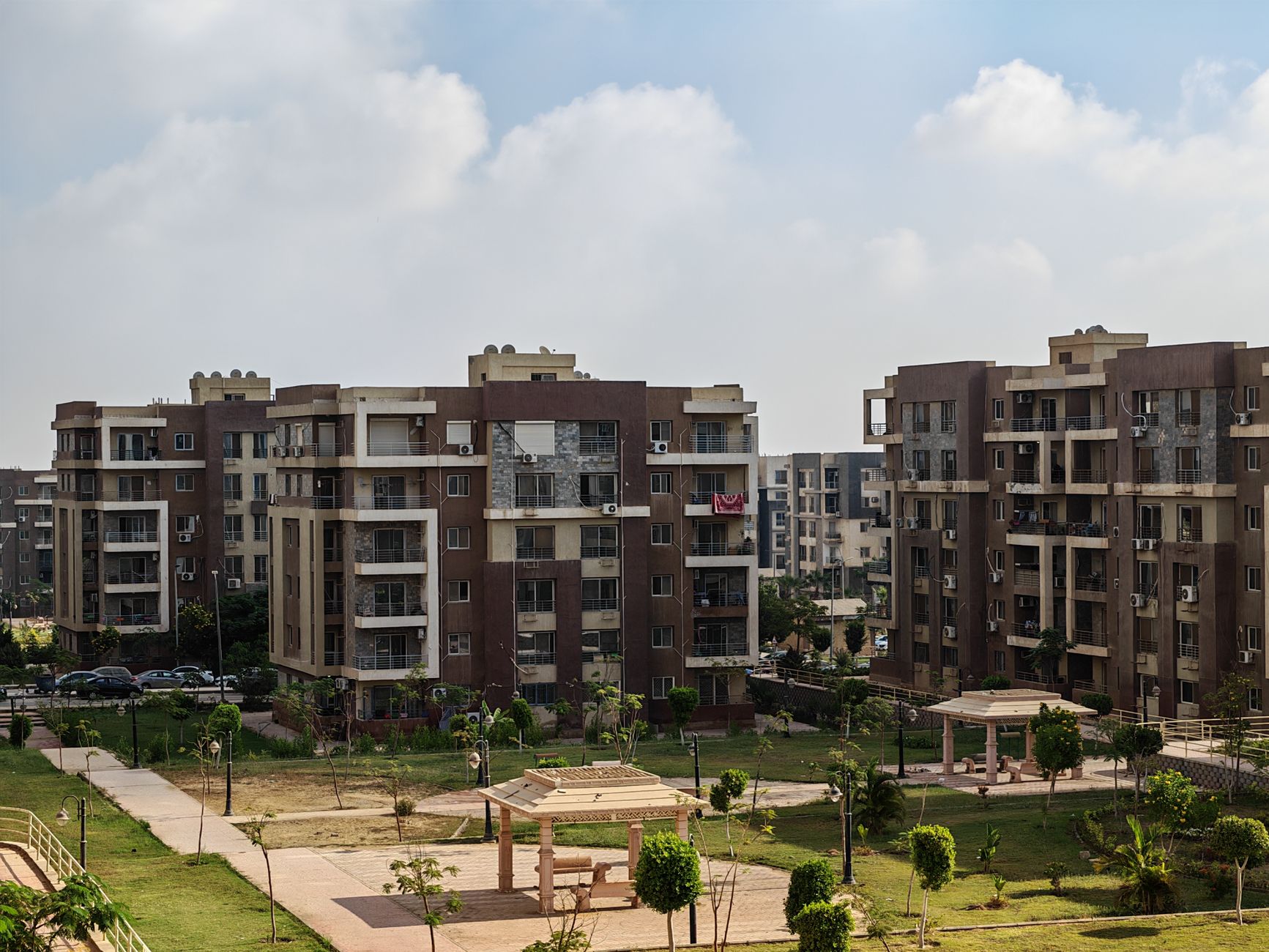
Cairo's affordable housing market is no longer a charitable footnote in real estate conversations—it's becoming a serious yield play. Recent data from the Ministry of Housing's social bond programme shows institutional investors are capturing 6-8% annual returns on properties in New Cairo and October City developments, a stark contrast to the volatile rental yields averaging 2-3% in premium Zamalek and Maadi districts.
The numbers tell a compelling story. Over the past eighteen months, approximately 12,400 units have been allocated under the 'Decent Housing Initiative' targeting middle-income families earning between EGP 5,000-12,000 monthly. Properties in New Cairo's Fifth Settlement and October City's Sheikh Zayed zone—traditionally priced at EGP 45,000-65,000 per square metre—are now generating predictable cash flows through government-backed mortgage guarantees. Compare this to central Cairo's average of EGP 80,000/sqm with speculative demand, and the risk-adjusted returns become attractive to pension funds and insurance portfolios seeking stability.
Transaction data from the Real Estate Information Centre shows turnover velocity in these affordable segments has accelerated. Secondary market sales in October City jumped 31% year-on-year, with investors capturing appreciation between 4-6% annually alongside rental yields—meaningful when combined. A 110-square-metre apartment purchased at EGP 5.2 million in Sheikh Zayed two years ago is now valued at EGP 5.8 million, evidence that these aren't distressed assets but genuine housing stock gaining institutional credibility.
The policy architecture driving this shift centres on interest rate subsidies. The government currently subsidises 3-4 percentage points on mortgages, bringing effective borrowing costs to 6-7% for qualified buyers. For investors acquiring units above the eligibility threshold, traditional 11-13% lending rates apply—but the captive tenant base of subsidised mortgage-holders creates non-cyclical demand absorption that institutional investors are pricing favourably.
Banks including NBE and Banque du Caire have structured dedicated funds for this segment, with minimum ticket sizes around EGP 2 million. Portfolio performance metrics shared with institutional clients show loan default rates below 2%—exceptionally low for Egyptian real estate given broader economic volatility. Occupancy rates in completed October City phases consistently exceed 94%.
The emerging challenge lies in scale. Government targets require 500,000 affordable units by 2030. Current completion rates—approximately 45,000 annually—suggest financing gaps remain significant. Yet investor appetite is real: oversubscription ratios for recent bond issuances exceeded 1.8 times, indicating capital availability where policy certainty exists. For Cairo's property market, that's the crucial metric.
This article was compiled by AI and screened before publishing. See our editorial standards.