Cairo's rental market is entering uncharted territory as a confluence of policy decisions and urban planning initiatives reshape supply and demand patterns that have remained relatively static for years. The anticipated relaxation of rent control measures, combined with the ongoing magnetic pull of the New Administrative Capital, is creating a bifurcated market where vacancy rates now tell vastly different stories depending on geography.
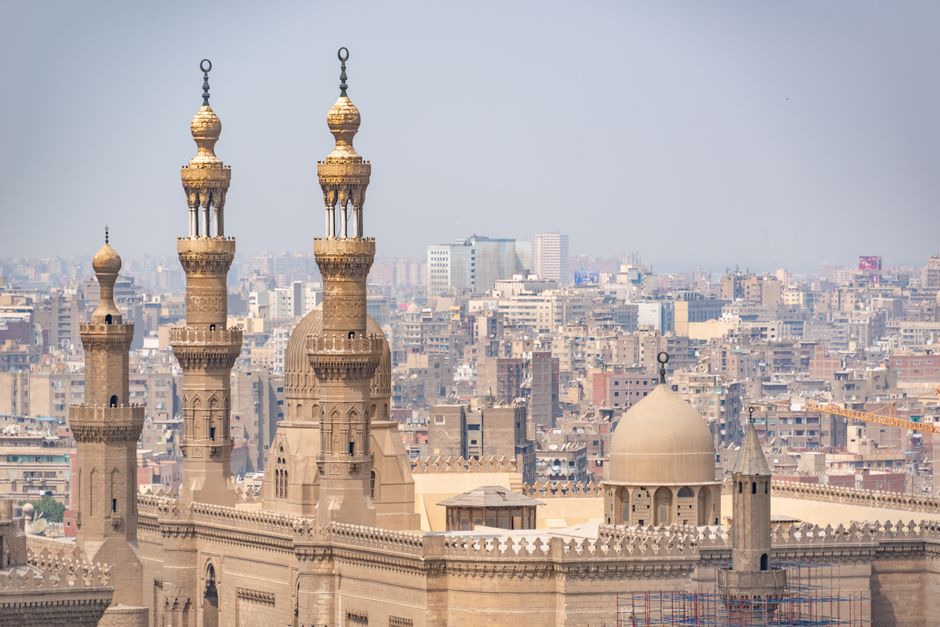
Across established enclaves like Zamalek and Maadi, where the average price hovers around EGP 80,000 per square metre, landlords are experiencing marginally elevated vacancy windows. These neighbourhoods, traditionally anchored by expat populations and diplomatic families, are witnessing subtle shifts as some international residents explore newer developments in October City and New Cairo's premium districts. Yet these areas remain resilient: a one-bedroom apartment in Zamalek's Tree-Lined Streets commands rental premiums that offset brief periods between tenancies.
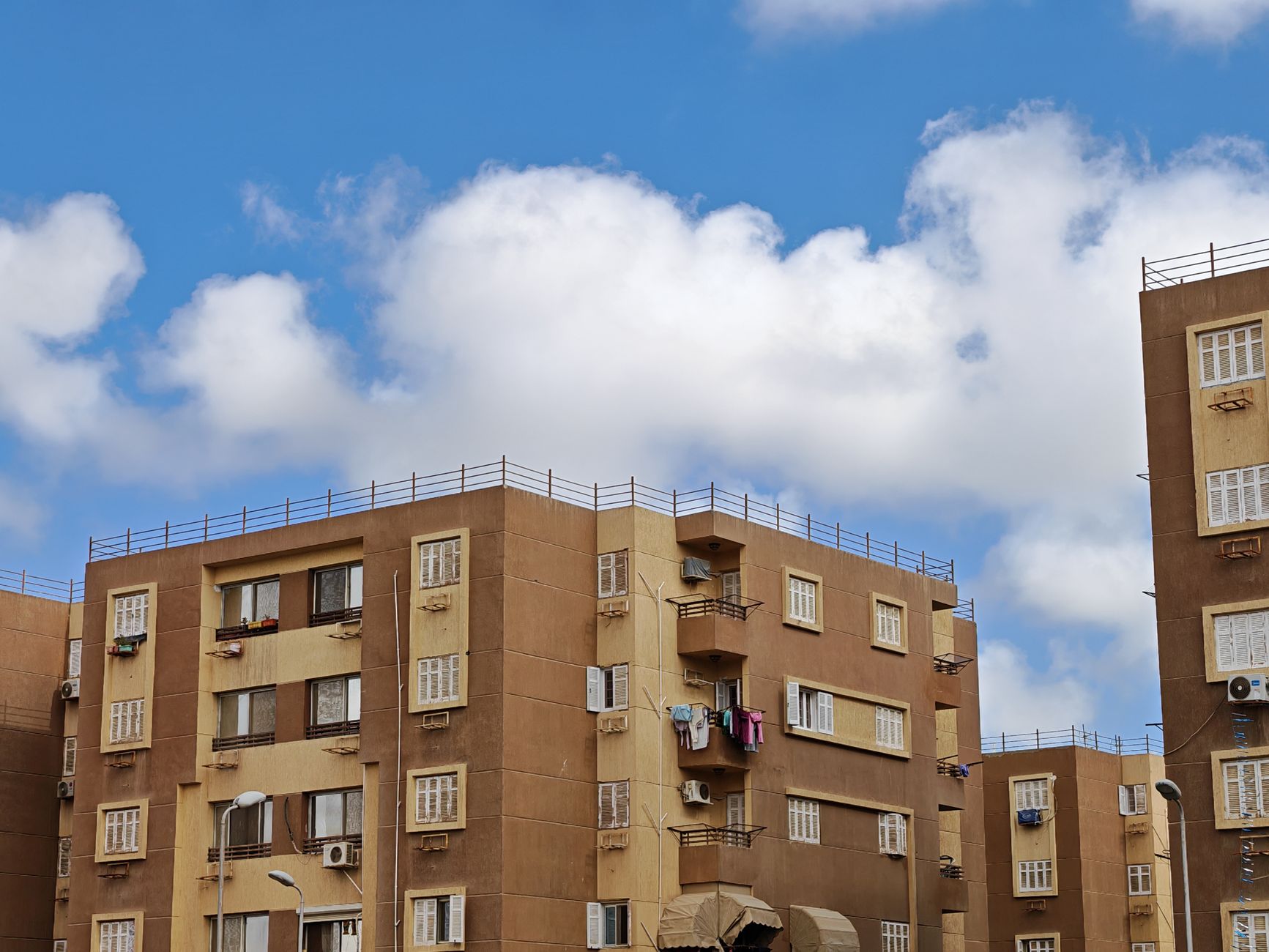
The real volatility emerges in New Cairo and October City, where speculative development continues despite regulatory uncertainty. Property developers and investors have been closely monitoring signals from the General Authority for Housing, Building and Planning Coordination regarding zoning permissions and rental decontrol timelines. Preliminary indications suggest that once deregulation accelerates—potentially within the next 12 to 18 months—investors currently holding vacant units in these zones may face pressure to either activate properties or accept holding costs.
The New Administrative Capital presents a longer-term wildcard. As government ministries and corporate headquarters gradually migrate east along the Cairo-Suez Road corridor, traditional business districts face potential talent drainage. This could depress rental demand in central Cairo, particularly around Garden City and Downtown office-adjacent residential areas, while simultaneously elevating occupancy pressure in satellite communities positioned as NAC bedroom neighbourhoods.
For tenants navigating this landscape, the window for negotiation is narrowing. Current vacancy rates across premium neighbourhoods remain below 8 percent—historically tight—while policy uncertainty has temporarily suppressed new-build completions. Savvy renters should prioritise securing long-term agreements now, before anticipated deregulation triggers price acceleration. Those seeking value should examine emerging submarkets like New Cairo's eastern periphery, where landlords remain motivated to establish tenant relationships ahead of regulatory clarification.
The coming months will prove decisive. As the government clarifies decontrol timelines and NAC infrastructure announcements continue, Cairo's rental market will likely polarise further: established neighbourhoods consolidating premium positioning, emerging zones competing aggressively, and entire categories of properties repriced according to new regulatory reality.
This article was compiled by AI and screened before publishing. See our editorial standards.