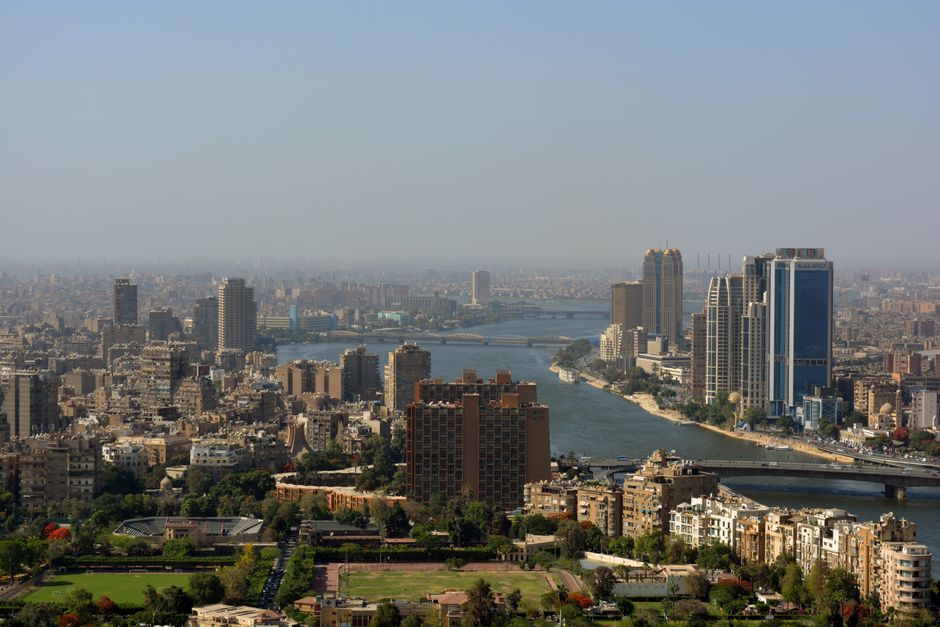
Cairo's property market has matured significantly, with average prices hovering around EGP 80,000 per square metre citywide. Yet for first-time buyers entering in 2026, the real opportunity lies not in broad strokes but in neighbourhood-specific intelligence—understanding where fundamental infrastructure, lifestyle amenities, and genuine demand convergence to create lasting value.
Maadi remains the bellwether for expat-focused investment. Its tree-lined streets, proximity to the Nile Corniche, and established expatriate community around Digla and Road 9 command premium pricing, but seasoned investors note that secondary streets west of Corniche Road offer marginally better entry points without sacrificing safety or services. The district's proximity to international schools and Cairo American College makes it perennially attractive, though buyers should expect prices between EGP 100,000 and EGP 150,000 per square metre for established properties.
Zamalek, the island enclave, skews ultra-luxury and remains a specialist market. First-timers typically find better footing in Heliopolis, where British colonial architecture meets contemporary renovation potential. Properties along Sharia El-Ahram and quieter side streets near Baron Palace offer solidity and emerging cultural momentum, with prices ranging EGP 75,000–EGP 95,000 per square metre.
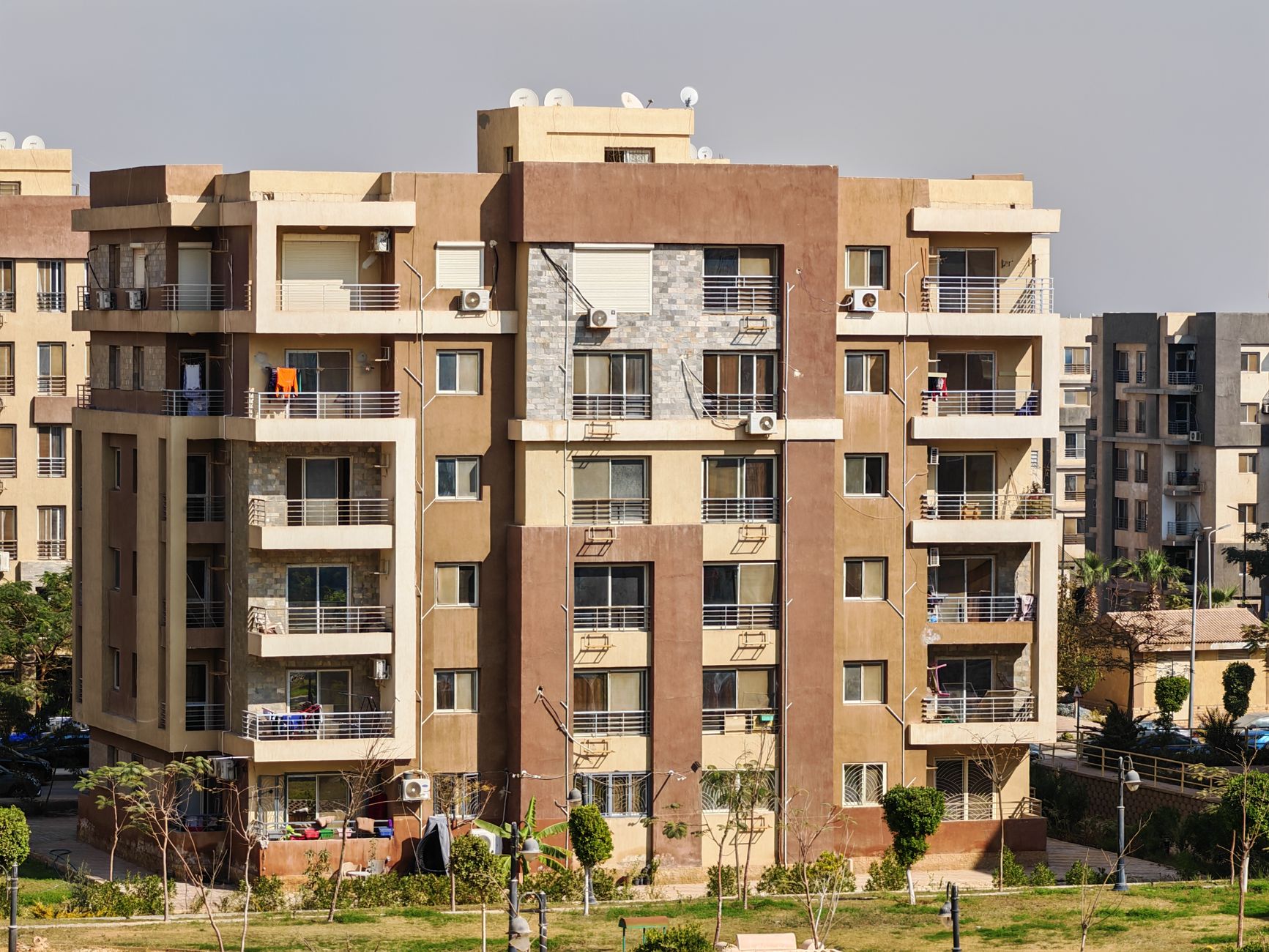
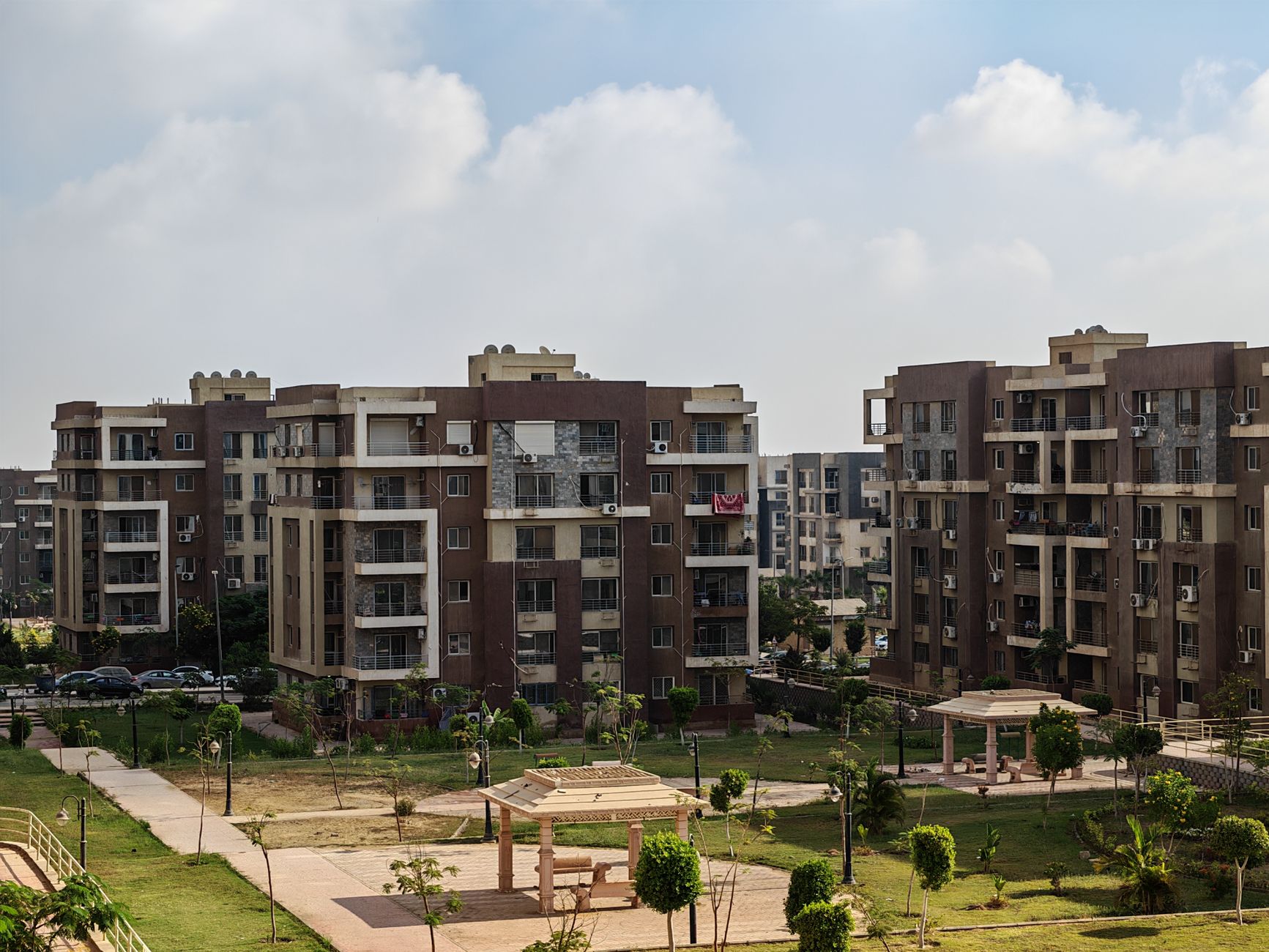
New Cairo and October City represent the growth frontier. While the New Administrative Capital has siphoned some investment demand, these established satellite cities retain fundamental appeal: planned infrastructure, lower density, and middle-market accessibility. New Cairo's Fifth Settlement and October City's downtown precincts attract young professionals and growing families. Prices average EGP 60,000–EGP 80,000 per square metre, making them logical entry points for budget-conscious buyers willing to trade central location for space and amenities.
First-time buyers must resist headline glamour. Instead, conduct street-level due diligence: visit neighbourhoods during morning rush and evening hours, observe maintenance standards, verify utility infrastructure, and consult local brokers—not national chains—who understand micro-markets. Check proximity to metro lines; Cairo's expanding transport network significantly enhances long-term value trajectories.
Recent market data shows clearance rates remain subdued, meaning motivated sellers exist across all districts. This creates genuine negotiating space for informed buyers. Consider engaging a surveyor familiar with Egyptian building codes; structural integrity concerns have emerged in older stock across Garden City and Dokki, despite their prestige.
The fundamentals matter: proximity to employment, schools, healthcare, and reliable transport networks ultimately determine whether a property becomes a home or a stalled asset. Cairo's 2026 market rewards disciplined, localised research over speculative positioning.
This article was compiled by AI and screened before publishing. See our editorial standards.