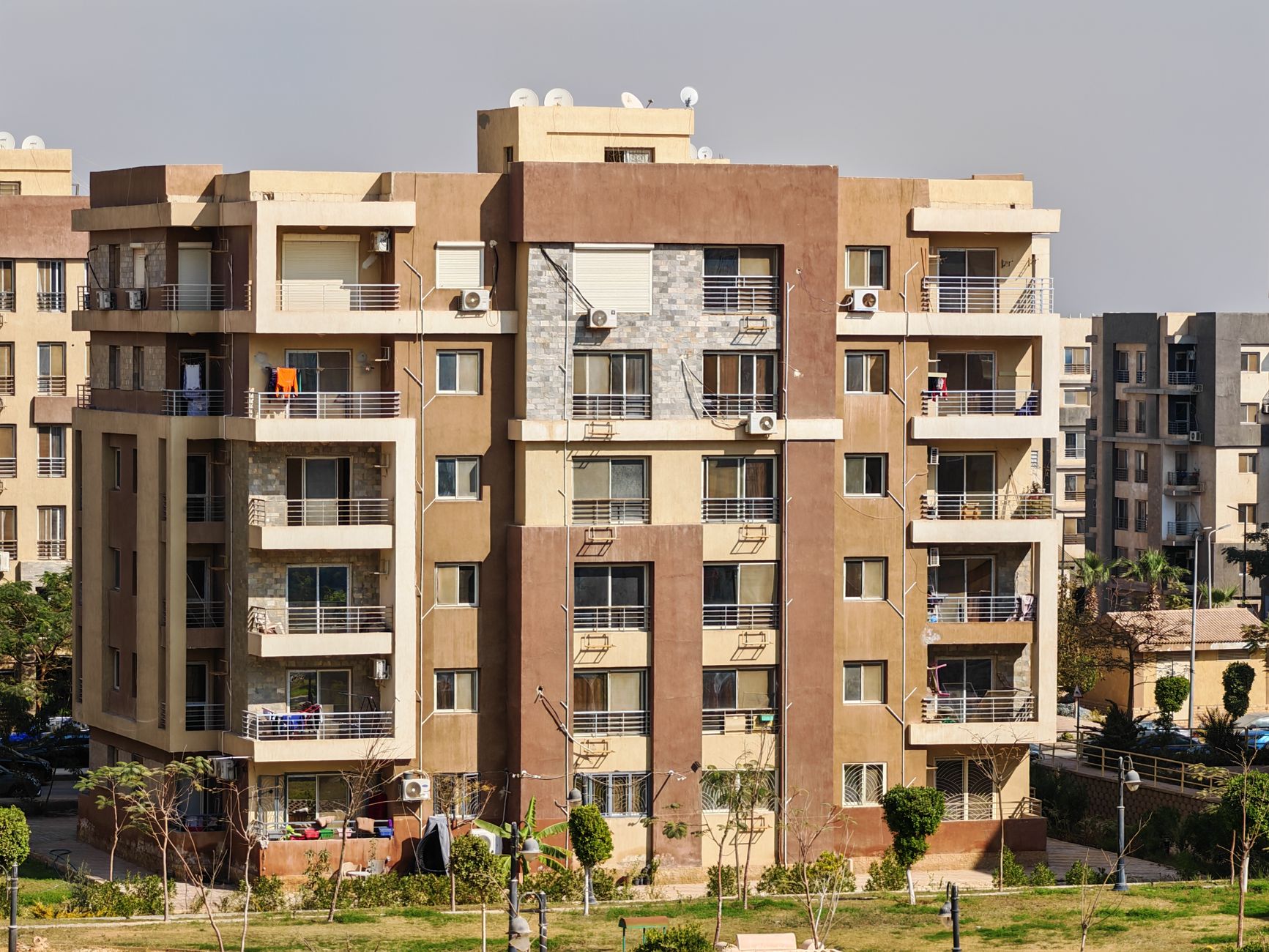
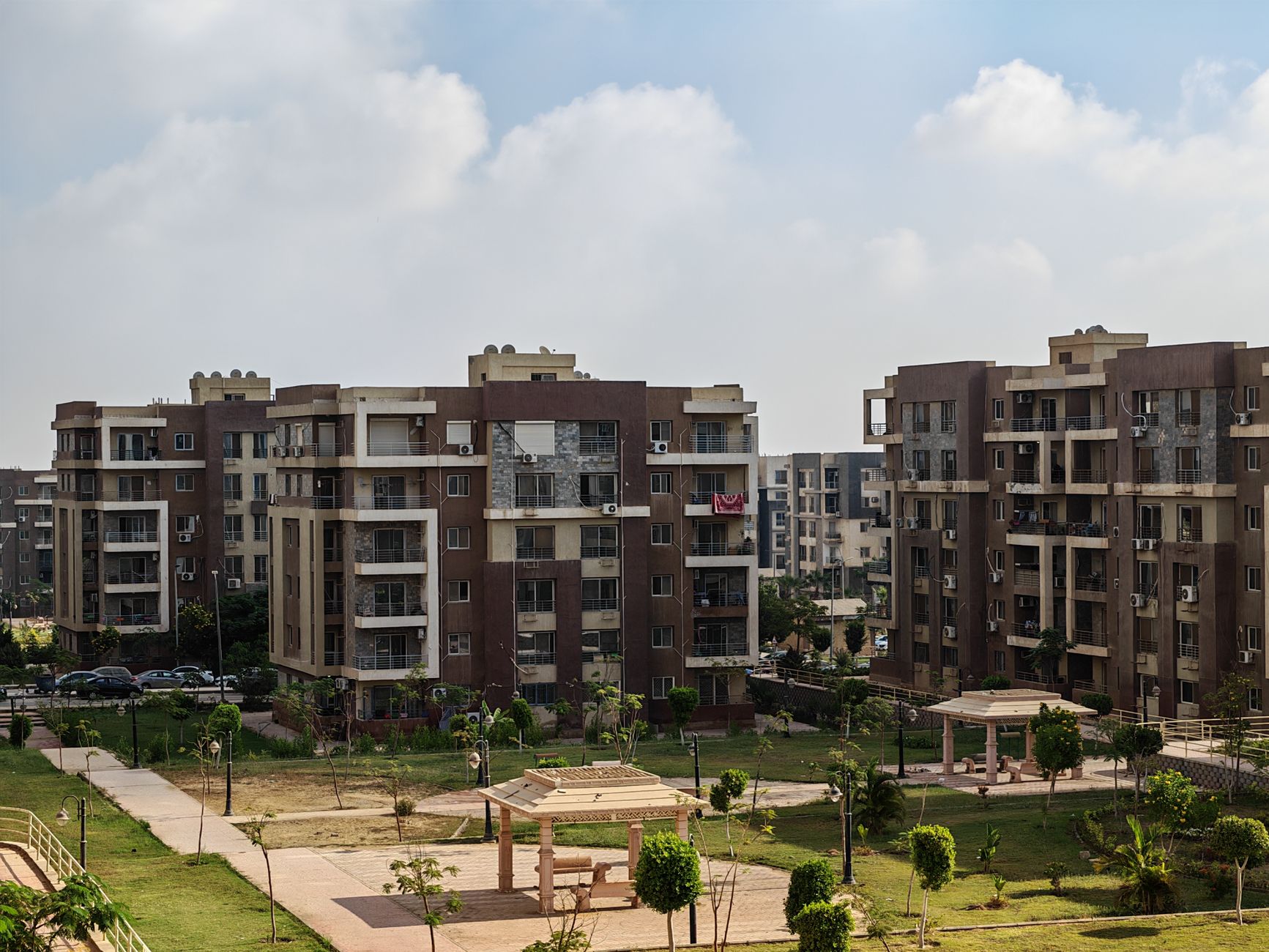
Cairo's luxury rental market has entered uncharted territory. While average residential properties across the capital hover around EGP 80,000 per square metre, premium addresses in Zamalek's tree-lined streets and New Cairo's gated compounds are commanding monthly rents that would have been unthinkable five years ago—with some four-bedroom villas now exceeding EGP 350,000 monthly in prime locations like Katameya Heights and Palm Hills.
The tension rippling through this segment reveals a market in flux. Landlords, historically accustomed to steady international tenant bases—particularly expatriate professionals working for multinational corporations and embassies—are confronting a new reality: longer vacancy periods, negotiation-savvy renters, and the spectre of currency volatility affecting purchasing power across the board.
"The dynamics have fundamentally shifted," explains the perspective widely held among property managers operating in premium zones like Maadi and the emerging New Administrative Capital residential developments. Landlords accustomed to annual rent increments of 10-15 per cent are now offering three-month rent concessions and covering maintenance costs to secure quality tenants. Simultaneously, international expatriates—traditionally the backbone of Zamalek's rental market—are increasingly evaluating relocation, with corporate housing budgets squeezed by economic uncertainty.
For tenants, the calculus has become more favourable, though selective. Those with stable employment in hard currencies enjoy leverage previously absent. Yet for middle-to-upper-tier Egyptian professionals—the segment driving Cairo's professional class—choices remain constrained. A three-bedroom apartment in New Cairo's administrative zones can now consume 30-40 per cent of professional salaries, a marked increase from historical norms.
The October City and New Cairo sectors, engineered as premium residential destinations, illustrate this squeeze most acutely. Originally marketed to both foreign investors and affluent Egyptian families, these developments now face dual-market complications: international demand has softened, while domestic purchasing power hasn't substantially increased to compensate.
Maadi maintains its traditional appeal as an expat enclave, yet even here—along the leafy corridors near the Maadi Club and around Road 9—landlords report extended marketing cycles and tenant screening becoming increasingly rigorous as competition intensifies.
Industry observers anticipate this recalibration will persist through 2027, pressuring landlords to diversify beyond expatriate tenants while compelling premium developers to reconsider pricing strategies. The winner, potentially, remains the informed renter willing to negotiate in an unusually tenant-favourable environment.
This article was compiled by AI and screened before publishing. See our editorial standards.