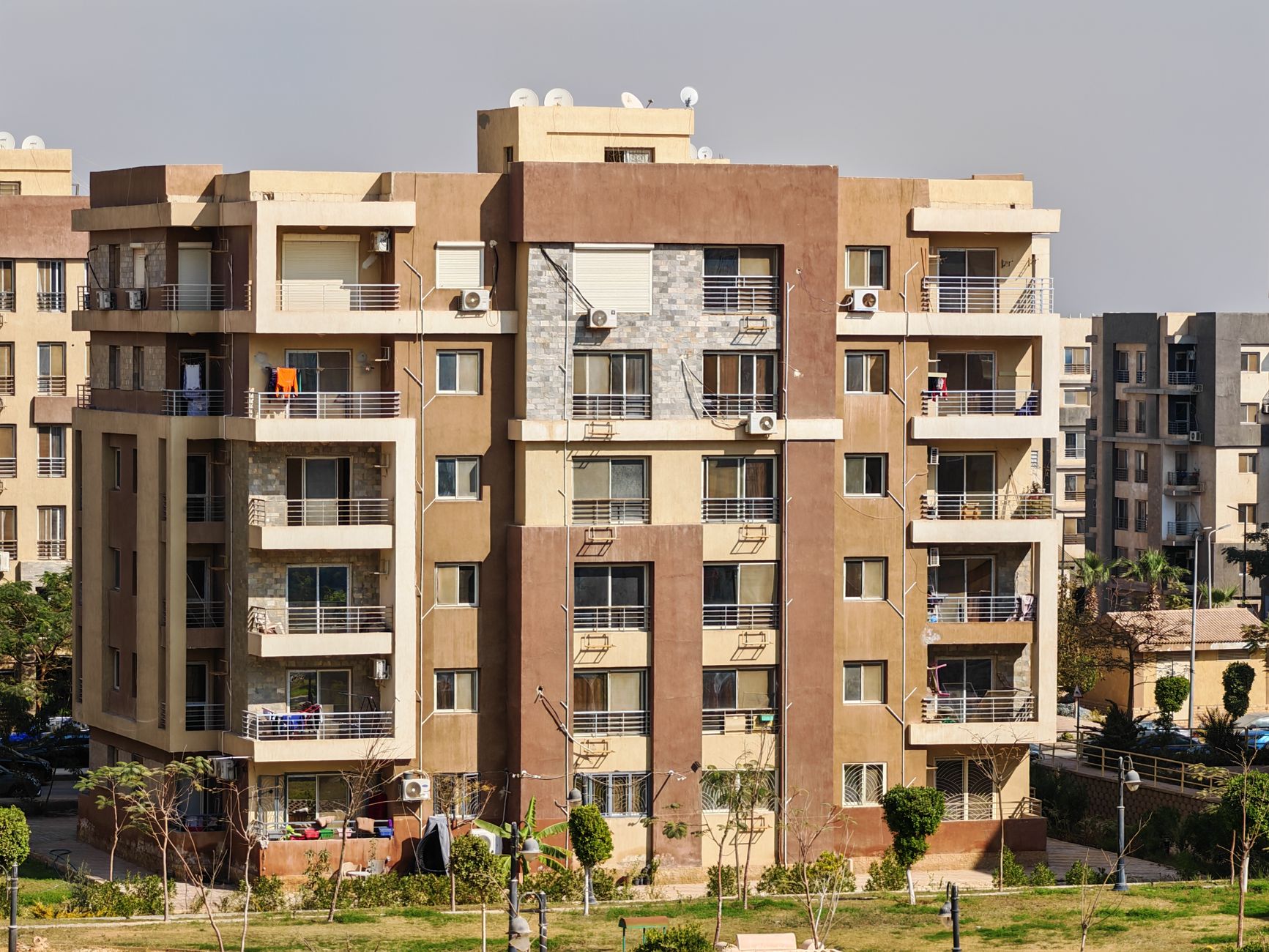
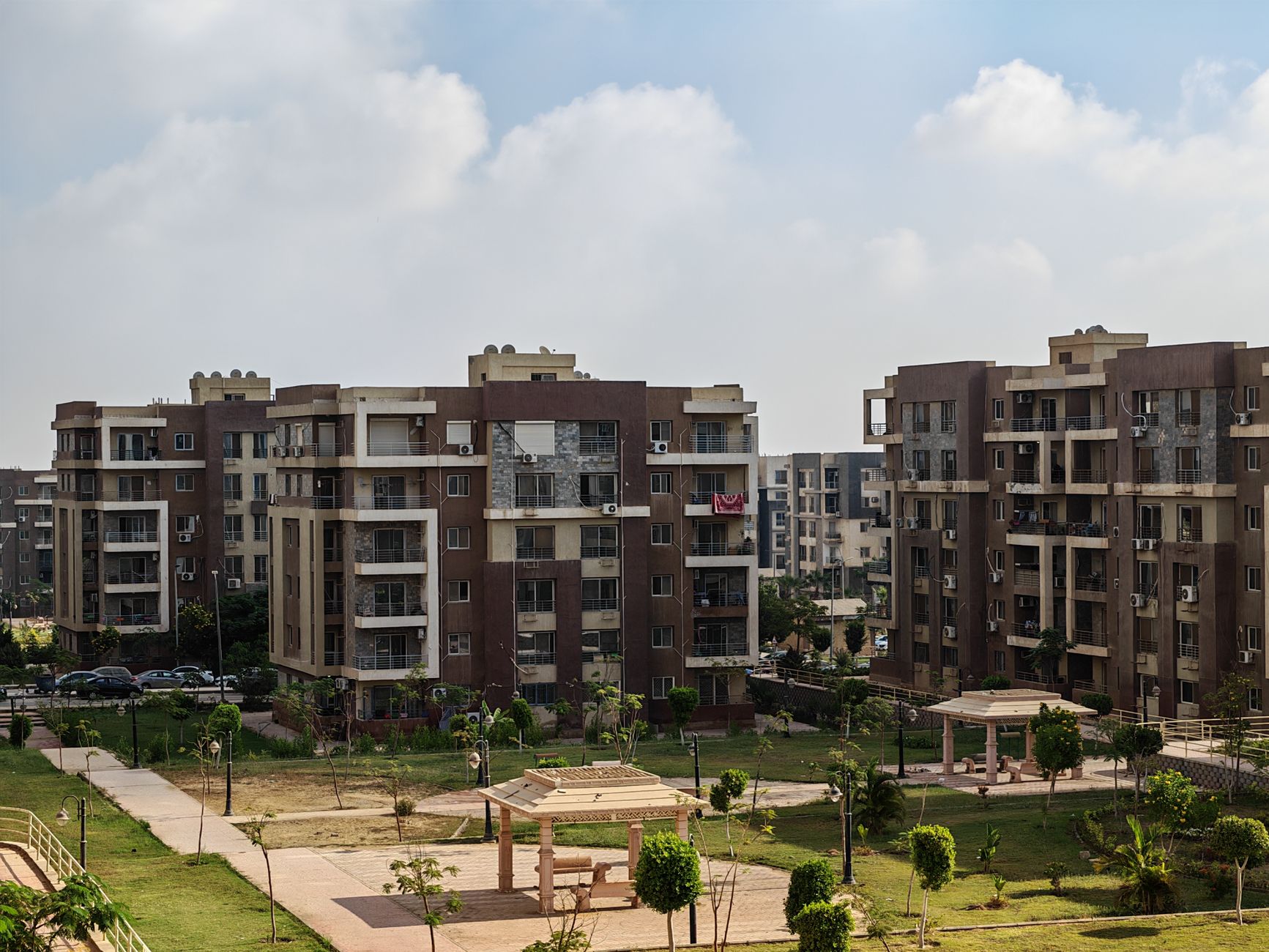
Cairo's property landscape is undergoing its most significant transformation in a decade. New development approvals across premium neighbourhoods are not merely adding units to the market—they're fundamentally altering the character, infrastructure, and investment trajectory of entire districts.
The New Administrative Capital corridor continues to magnetise institutional interest and private capital. Yet increasingly, developers are refocusing on established areas where demand remains robust. In New Cairo, the sprawling eastern suburb that has commanded premium valuations since the early 2000s, three major residential complexes have received final approvals in the past eighteen months. These projects, spanning between 150,000 and 280,000 square metres, are pitched at the EGP 120,000–180,000 per square metre bracket—a significant uplift from the neighbourhood's historical average of EGP 80,000.
What does this mean for existing property owners and prospective buyers? Supply pressure is mounting. The sheer volume of new units flooding the market—conservative estimates suggest 3,500 new residential units within a two-kilometre radius of New Cairo's commercial hub by 2028—will likely compress margins for mid-range apartments whilst benefiting developers with premium positioning.
Maadi, traditionally Cairo's most stable expat enclave, faces a different dynamic. Rather than wholesale redevelopment, the neighbourhood is experiencing targeted infill projects. A mixed-use complex approved near Road 9 will introduce Egypt's first purpose-built co-working district alongside 240 luxury apartments. For Maadi's 40-year-old housing stock, this represents a neighbourhood upgrade rather than disruption—attracting younger professionals whilst respecting the area's established character.
Zamalek island luxury enclave, where EGP 200,000+ per square metre is increasingly commonplace, faces tighter constraints. Limited available land and heritage considerations have slowed approvals. Yet a riverside development approved this spring—combining ultra-luxury residences with a five-star hospitality component—signals demand remains stratospheric among Cairo's ultra-high-net-worth segment.
Infrastructure deserves scrutiny. The volume of construction underway across multiple zones simultaneously strains water, sewerage, and traffic systems. October City, which approved six major residential clusters in the past two years, has already experienced residential complaints regarding traffic congestion on Ring Road routes. Developers and the New Urban Communities Authority must coordinate infrastructure provisioning more effectively.
For investors, the timing remains nuanced. Early-stage projects in New Cairo and October City offer appreciation potential as amenities mature. Established neighbourhoods like Maadi offer stability but with compressed upside. The next 24 months will clarify which developments enhance their surroundings—and which merely fragment them.
This article was compiled by AI and screened before publishing. See our editorial standards.