Cairo's rental market has entered unfamiliar territory. After years of steady appreciation, landlords in Zamalek, Maadi, and New Cairo are discovering that premium asking prices no longer guarantee tenants—and tenants, conversely, are learning they finally have leverage.
The shift is most visible in Zamalek's tree-lined compounds and along the Nile-facing apartments of Garden City. Properties that commanded EGP 4,500 per square metre annually eighteen months ago now sit vacant for six to eight weeks longer. Landlords managing portfolios of three or more units are increasingly flexible on lease terms, offering furnished incentives and reduced deposits to secure longer tenancies. For middle-income expat families and Egyptian professionals, this means negotiating power they haven't wielded since 2022.
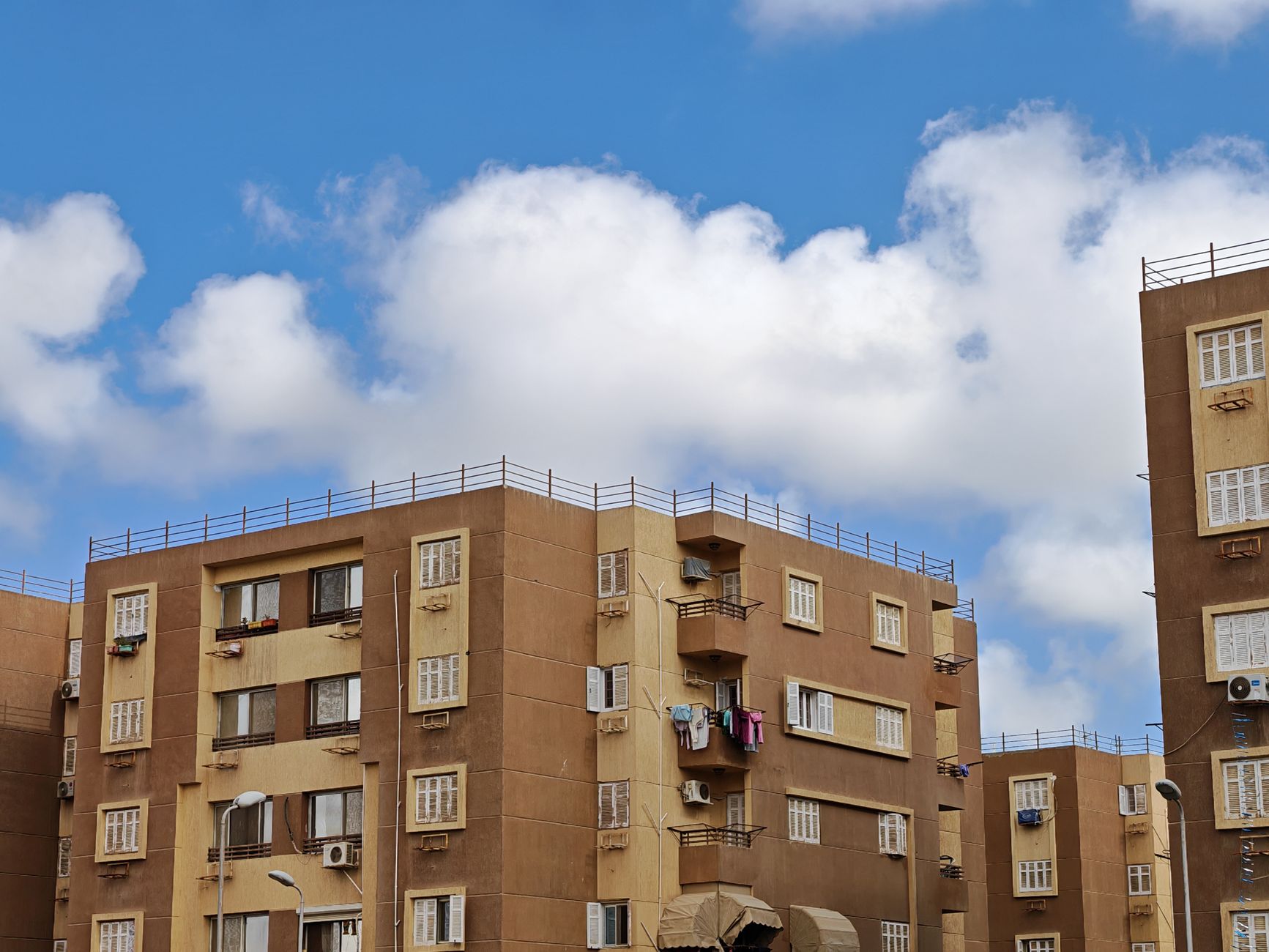
New Cairo and October City tell a different story. These sprawling developments, marketed aggressively as investment destinations since 2019, face structural oversupply. Thousands of units in Compounds like those lining Al-Tesseen Street sit tenantless or underlet. Landlords here are experiencing real pressure: property taxes, maintenance fees, and security costs mount regardless of occupancy. Monthly rents for three-bedroom villas have dipped from EGP 18,000–22,000 to EGP 14,000–17,000 within twelve months. Younger professional tenants—tech workers, consultants, NGO staff—have migrated toward more central locations, abandoning the suburban sprawl for Heliopolis or Dokki's shorter commutes.
Maadi remains anomalous. The established expat enclave around Road 9 and 11 maintains rental discipline. Supply is tightly controlled, community reputation strong, and tenant quality high. Landlords here have resisted significant discounting, though signs of softening appear along the periphery. Properties requiring renovation command steeper discounts than turnkey units, a divergence that favors tenants willing to negotiate.
For tenants, conditions are improving but with caveats. Long-term lease security is easier to negotiate, yet move-in costs—deposits, agency fees, key money—remain stubbornly high across all districts. Some landlords have begun bundling utilities into fixed rent rather than variable costs, providing budgetary certainty that appeals to cost-conscious households.
The broader pattern reflects Cairo's property market maturation. Supply constraints in central neighbourhoods have eased; investor-grade units in outer zones face demand mismatches. Neither crisis nor boom, but rather a resetting of expectations. For landlords holding under-utilized portfolios, the message is clear: flexibility beats vacancy. For tenants, patience—and a willingness to explore emerging districts—finally pays dividends.
This article was compiled by AI and screened before publishing. See our editorial standards.