Cairo's property market has shifted dramatically for first-time buyers. With average prices hovering around EGP 80,000 per square metre across the capital, and premium neighbourhoods pushing far beyond that, aspiring homeowners must now navigate not just affordability, but also the mechanics of government support and financing options that have evolved considerably since the mid-2020s.
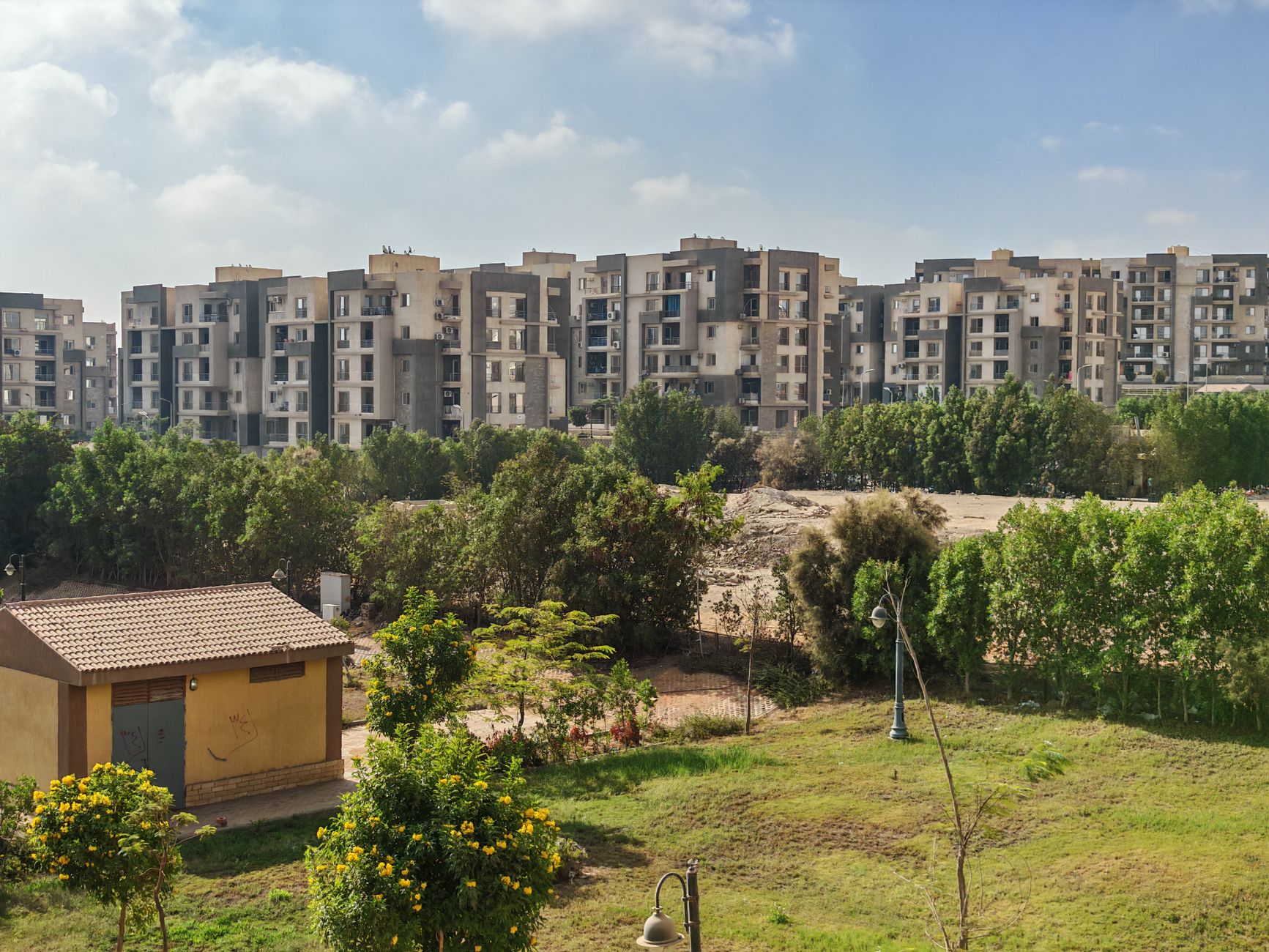
The New Administrative Capital's emergence has fundamentally altered buyer psychology. While prices in established areas like Maadi and Zamalek remain elevated—reflecting their enduring appeal to expats and high-net-worth individuals—emerging neighbourhoods along the ring roads and satellite cities now attract serious first-time buyer attention. October City and New Cairo, traditionally premium enclaves, have seen supply stabilise, creating more realistic entry points than they offered five years ago.
Government-backed mortgage schemes remain central to first-time buyer strategy. The National Housing Programme has refined its allocation system, though application processes require persistence. Eligible buyers—typically Egyptian nationals under 40 with stable employment—should prepare documentation early and engage with state-designated banks. Interest rates on these subsidised mortgages have held steady, but approval timelines remain variable; expect 4-6 months from application to fund release.
Private bank financing has become increasingly competitive. Most major institutions now offer first-time buyer packages with 15-20 per cent down payments (versus the historical 30 per cent requirement), though rates fluctuate with central bank policy. Banks increasingly demand proof of stable income—employment contracts, tax records, and salary statements—making freelancers and informal sector workers face steeper barriers. Shop around: terms vary significantly between institutions.
Location strategy matters enormously. Established neighbourhoods like Heliopolis and Dokki offer predictable rental yields and strong long-term value retention, justifying slightly higher entry prices. Newer developments near the Administrative Capital or along October 6th City offer affordability but carry higher carrying-cost risks during Egypt's volatile economic cycles. Zamalek remains aspirational for most first-timers; realistic entry neighbourhoods include Garden City peripheries and Giza's western zones.
Two critical steps: engage a property lawyer early—contract disputes remain common—and budget 10-15 per cent beyond the advertised purchase price for registration, legal fees, and contingencies. Many first-time buyers underestimate these costs.
The market favours informed patience. Document all communications, understand your bank's pre-approval ceiling before house-hunting, and avoid emotional decisions. Cairo's property cycle rewards buyers who enter with clear financial foundations and realistic neighbourhood expectations.
This article was compiled by AI and screened before publishing. See our editorial standards.