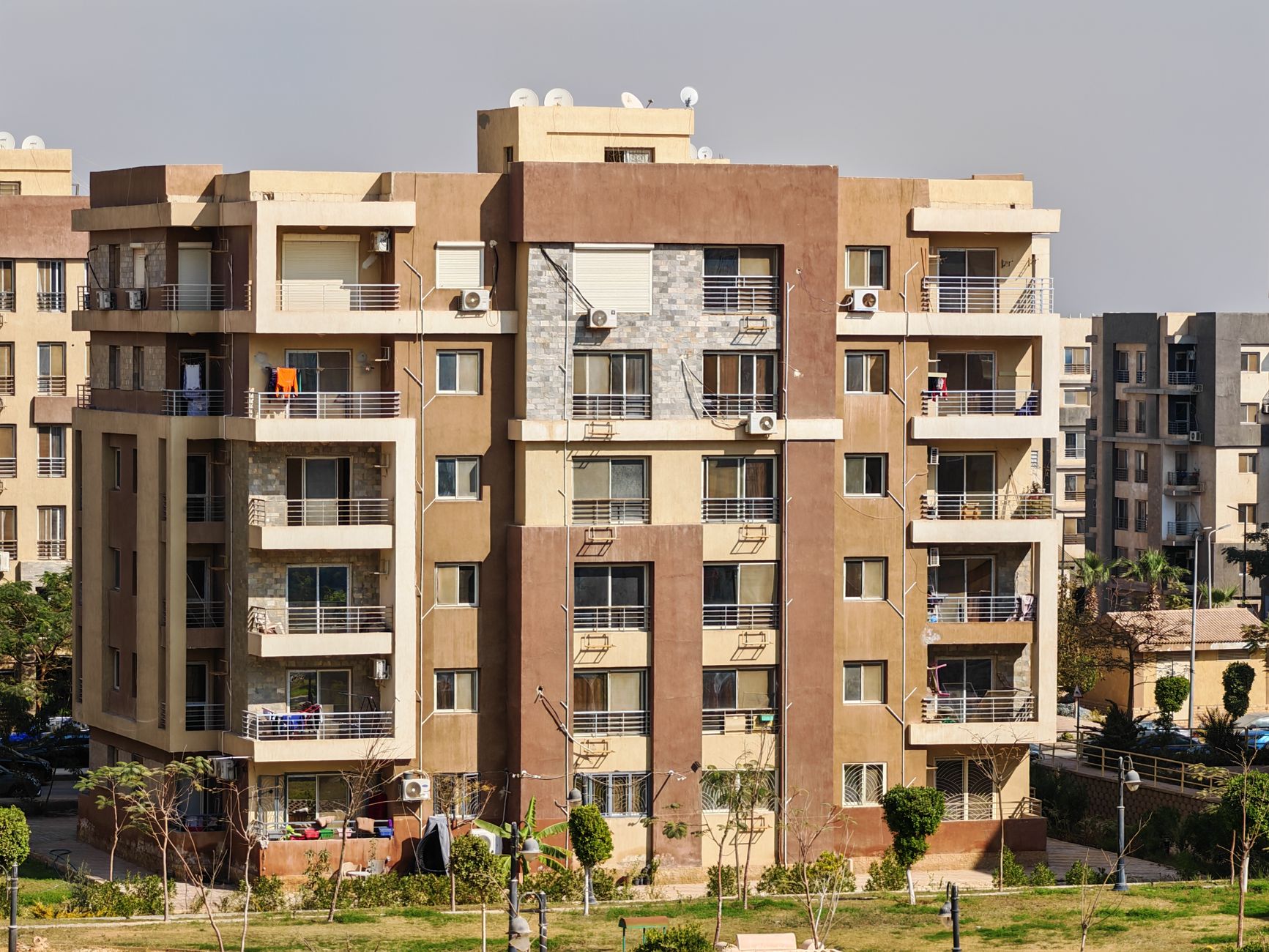
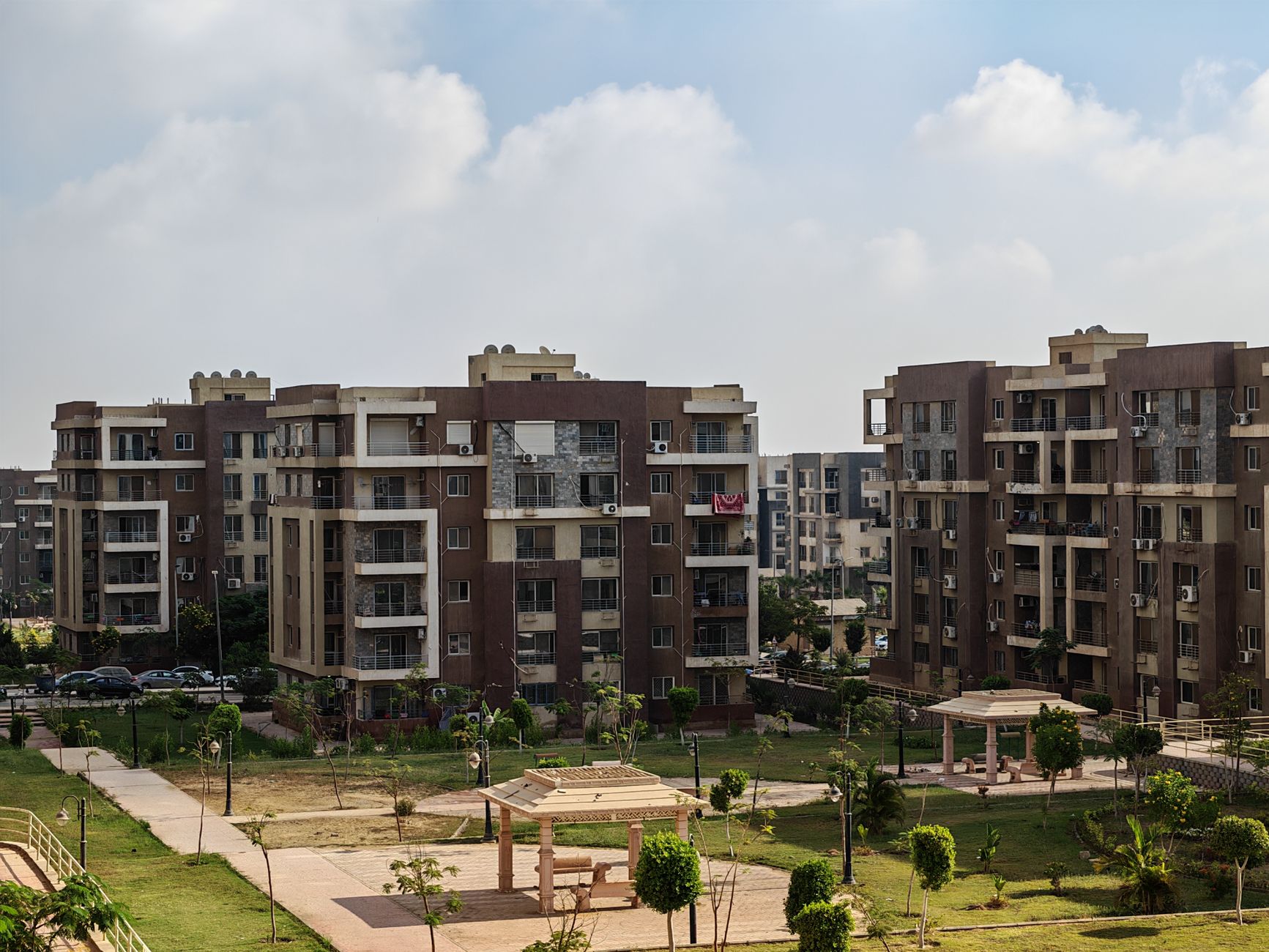
Cairo's rental market is experiencing structural strain as new residential approvals accelerate faster than tenant demand can absorb them. The completion of major developments across New Cairo, October City, and the New Administrative Capital has injected thousands of units into the market over the past 18 months—but landlords and tenants are discovering the real cost of oversupply.
Construction permits issued through June 2026 show a 34% increase in residential approvals for developments east of central Cairo, according to building authority records. New October City alone has seen 12 major projects green-lit since late 2024, with completion windows spanning 2026 through 2028. Meanwhile, the New Administrative Capital's proximity has fundamentally altered tenant migration patterns. Young professionals and families increasingly prioritise locations near government offices and business districts rather than traditional expatriate enclaves like Maadi or Zamalek.
The consequence is bifurcated. Premium developments—particularly those along Sheikh Zayed Street corridors and within gated communities—maintain strong occupancy. A two-bedroom apartment in a Class A October City tower commands EGP 8,000–12,000 monthly. But mid-range properties, historically the bread-and-butter of Cairo landlords, are experiencing longer vacancy periods. Landlords offering EGP 4,000–6,000 monthly for older, unfurnished units in semi-developed areas report 60–90 day turnovers between tenants, versus previous cycles of 2–3 weeks.
Construction approval timelines have also shifted tenant expectations. Families and expat households now benchmark against amenities: modern gyms, co-working spaces, and reliable utilities are no longer luxuries but baseline requirements. Older residential stock in Heliopolis or Garden City, despite central location appeal, struggles against newer competition in New Cairo offering superior finishes and infrastructure.
For landlords, the dilemma is acute. Reducing rents risks signalling property weakness and eroding long-term asset valuations. Holding firm means accepting vacancy. A property owner managing three units near Maadi Avenue reported keeping one apartment empty for four months rather than drop asking price by 15 percent—a calculation that exemplifies current market psychology.
The Central Bank's mortgage rate framework and construction approval acceleration suggest this rental pressure will intensify through 2027. New supply will exceed demand growth for the next 18–24 months, according to local real estate analysts. Landlords investing in upgrades—modernising kitchens, installing solar units, or offering flexible lease terms—are seeing faster placement. The rental market's old rigidity has dissolved. Adaptation, not stubbornness, now determines landlord success in Cairo's fragmenting property landscape.
This article was compiled by AI and screened before publishing. See our editorial standards.