First-Time Buyers Face Rental Market Squeeze as Landlords Tighten Terms
Rising tenant demands and shrinking yield expectations are reshaping Cairo's rental landscape, forcing young renters to reconsider homeownership pathways.
Rising tenant demands and shrinking yield expectations are reshaping Cairo's rental landscape, forcing young renters to reconsider homeownership pathways.
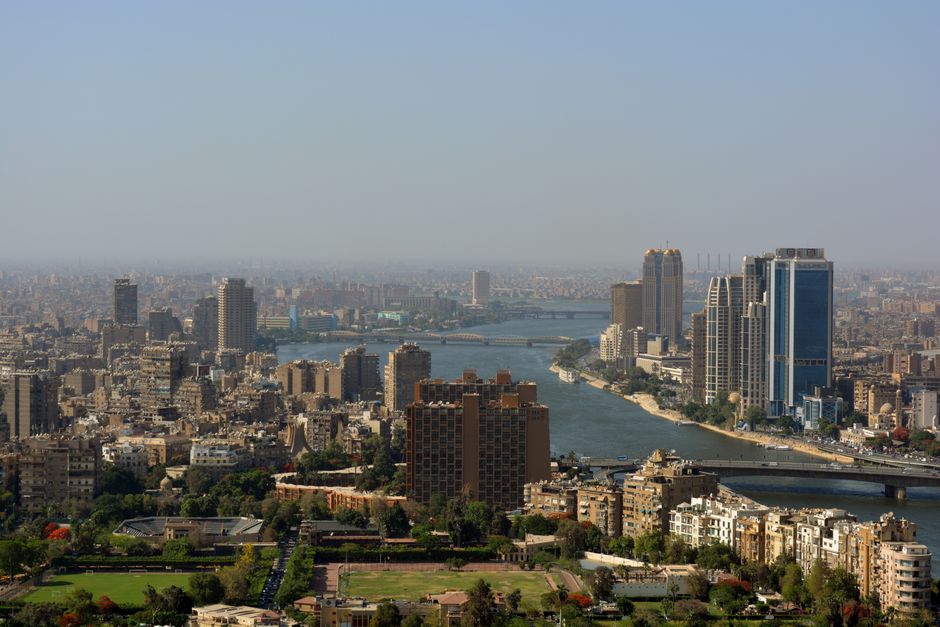
Cairo's rental market has entered a phase of visible tension. On both sides of the lease agreement, stakeholders are reassessing their positions as economic pressures mount and financing options remain constrained for first-time buyers seeking escape velocity from the tenant treadmill.
For renters in established neighbourhoods like Maadi and Garden City, annual rent increases between 8–12 percent have become standard, with landlords citing maintenance costs and currency concerns. A two-bedroom apartment in Maadi's Abu Bakr El Seddik Street now commands 15,000–18,000 EGP monthly, compared to 12,000–14,000 EGP two years ago. Meanwhile, newer developments across Sheikh Zayed and New Cairo's 5th Settlement push premium units higher still, creating a bottleneck effect that pressures middle-market renters downward into older stock or outer zones.
This dynamic has sharpened focus on first-time buyer support mechanisms. While government grants and Central Bank of Egypt financing schemes exist on paper—including preferential rates for buyers under 40 purchasing primary residences—accessibility remains problematic. Administrative Capital projects absorb significant institutional lending, and informal down-payment expectations often exceed the officially stated minimums, effectively locking out younger households dependent on salary transparency and documented income.
Landlords, conversely, face declining yields. A property purchased at 80,000 EGP per square metre in central Cairo generates rental income of roughly 0.8–1.2 percent annually—insufficient returns when inflation erodes purchasing power. Many are shifting strategy: either upgrading units to justify premium rents targeting expatriate demand (concentrated along Zamalek and Heliopolis), or exiting the rental market entirely to speculate on long-term appreciation or convert properties to short-term tourist lets near Khan el-Khalili and Islamic Cairo.
This polarization creates consequences. Supply of middle-class rental stock shrinks. Tenants without family capital face dual pressure: unaffordable rentals in desirable zones, and financing barriers to purchase alternatives. Bank lending for first-time buyers typically requires 25–30 percent down payment despite official programs suggesting lower thresholds, and appraisal practices remain conservative outside New Administrative Capital zones.
Industry observers suggest the impasse could only resolve through targeted interventions: expanded subsidy programs for down payments, standardized tenant protections limiting rent increases, and regulatory reforms encouraging institutional landlords. Until then, Cairo's rental-to-ownership pathway remains fraught with friction—leaving renters in limbo and landlords reconsidering whether residential lettings remain viable long-term assets.
This article was compiled by AI and screened before publishing. See our editorial standards.
How does this story make you feel?
Spread the word
About this article
Published by The Daily Cairo
Daily brief
Free, in your inbox before 7am. Weekdays.
More in Property