How Cairo's Planning Overhaul is Reshaping the Ultra-Luxury Property Game
New zoning rules and infrastructure priorities are rewriting the map for high-end residential development—and prices tell the story.
New zoning rules and infrastructure priorities are rewriting the map for high-end residential development—and prices tell the story.
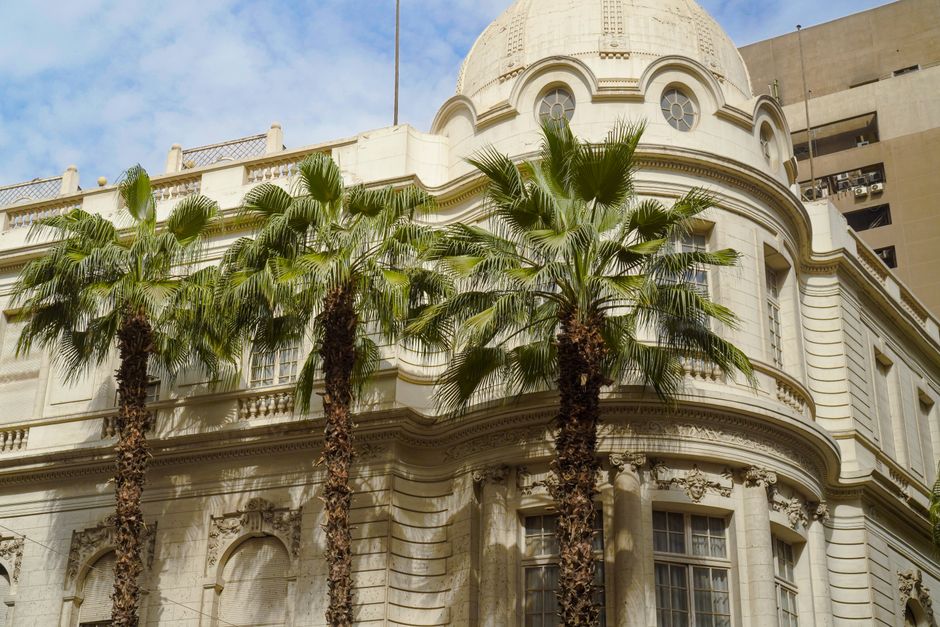
Cairo's luxury property market has long operated within predictable boundaries: Zamalek's island prestige, Maadi's leafy expat appeal, and the sprawling ambitions of New Cairo developers. But a series of planning decisions over the past eighteen months has fundamentally altered where wealth accumulates in the capital—and at what price.
The most significant shift stems from the General Organization for Physical Planning's updated master plan, which prioritised infrastructure connectivity over geographic exclusivity. Traditionally, properties along the Nile's east bank—particularly in Zamalek and Garden City—commanded premiums simply by geography. Today, that calculus is changing. A recently completed development in New Cairo's Fifth Settlement, near the American University in Cairo proximity, achieved an average asking price of EGP 320,000 per square metre—a 45 per cent increase from comparable units listed in 2024—largely due to revised transportation corridors linking directly to the New Administrative Capital.
The government's decision to fast-track ring road infrastructure and establish the Administrative Capital as an alternative business hub has split investor sentiment. Properties in established bastions like Zamalek remain resilient, hovering around EGP 250,000–350,000 per sqm, but growth has plateaued. Meanwhile, strategic pockets of New Cairo and October City—particularly those positioned near the new business district access points—are attracting capital from institutional investors and high-net-worth individuals seeking appreciation potential rather than established prestige.
A crucial policy change involved relaxing building height restrictions in designated zones of New Cairo while simultaneously tightening them around historic neighbourhoods in central Cairo. This bifurcation has created a clear development hierarchy: ultra-luxury towers with premium finishes are now concentrated in approved growth corridors, while Maadi and Heliopolis have shifted toward conservation-focused development with stricter architectural guidelines. For buyers, this means scarcity value has migrated. A penthouse in a new New Cairo tower commands attention; a comparable property in established Maadi does not.
The impact extends beyond residential zones. Planning committees have increasingly scrutinised mixed-use developments, favouring projects that integrate retail, hospitality, and residential components. This has attracted international operators to emerging luxury hotspots—particularly around the New Administrative Capital's western approaches—creating ecosystem effects that traditional Cairo neighbourhoods lack.
Market data suggests a bifurcation: established luxury neighbourhoods are consolidating as stable assets for legacy wealth and institutional portfolios, while emerging zones are attracting speculative capital betting on policy-driven appreciation. For property professionals, the lesson is clear: policy now matters more than postcode alone.
This article was compiled by AI and screened before publishing. See our editorial standards.
How does this story make you feel?
Spread the word
About this article
Published by The Daily Cairo
Daily brief
Free, in your inbox before 7am. Weekdays.
More in Property