Why Cairo's Affordable Housing Dream Keeps Slipping Away: What Buyers Must Know Now
As land costs spiral and regulatory shifts reshape the market, middle-income families face a widening gap between aspiration and reality.
As land costs spiral and regulatory shifts reshape the market, middle-income families face a widening gap between aspiration and reality.
Cairo's affordable housing crisis has reached a tipping point. While the capital's average land value hovers around EGP 80,000 per square metre, the gap between government-backed social schemes and real market conditions is creating false hope for thousands of buyers.
The core problem is straightforward: supply hasn't kept pace with demand. Government-led initiatives like those managed through the New Urban Communities Authority have historically aimed to deliver units below market rate, yet regulatory costs, infrastructure demands, and construction expenses continue to erode affordability margins. Recent policy shifts have introduced stricter clearance requirements and revised zoning classifications, effectively raising barriers to entry for developers serving the lower end of the market.
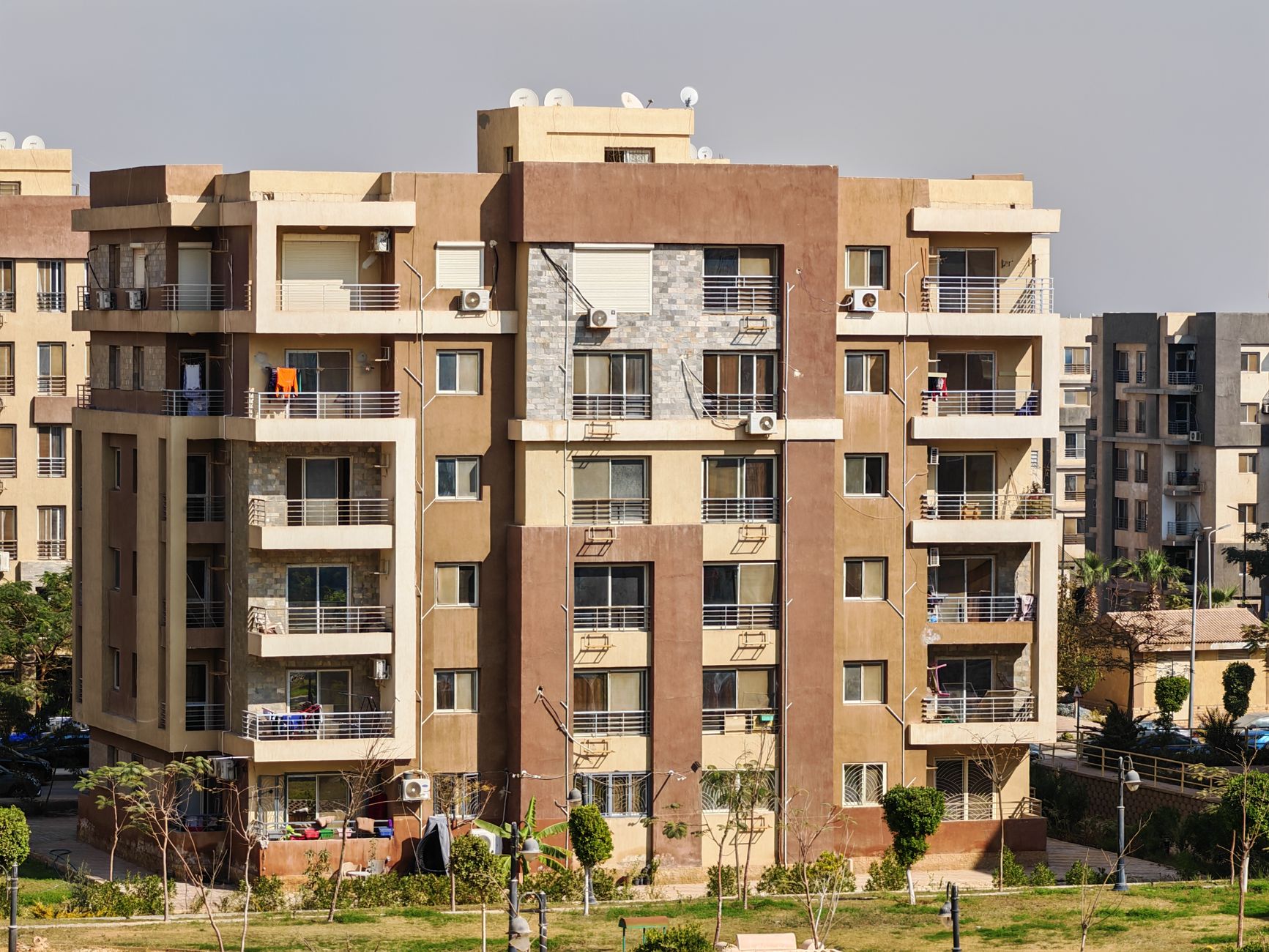
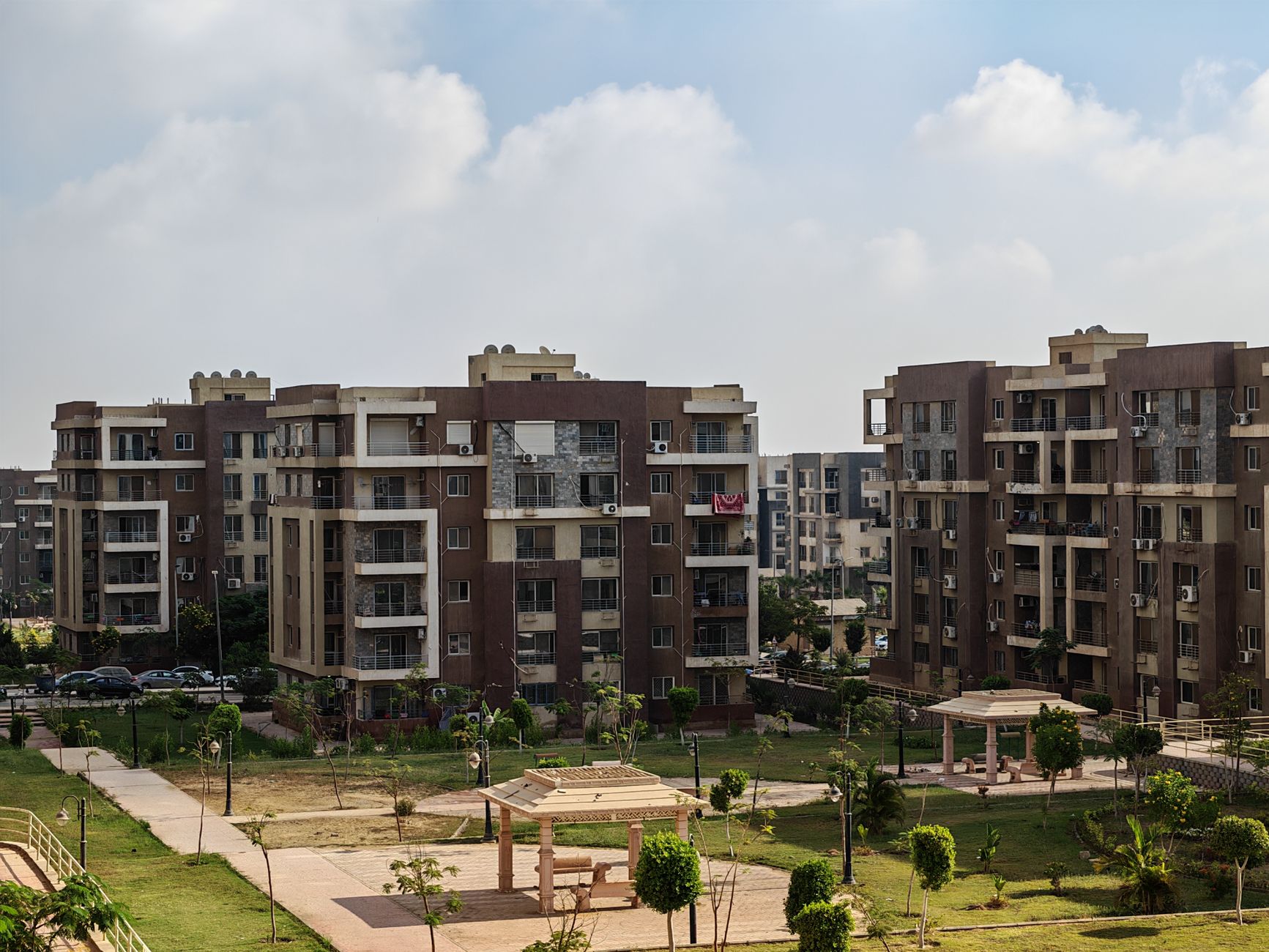
New Cairo and October City, once positioned as affordable alternatives to central Cairo neighbourhoods like Zamalek and Maadi, are no longer accessible to average middle-income families. Premium developments now dominate these zones, with starter apartments exceeding EGP 2 million—placing homeownership out of reach for households earning under EGP 10,000 monthly.
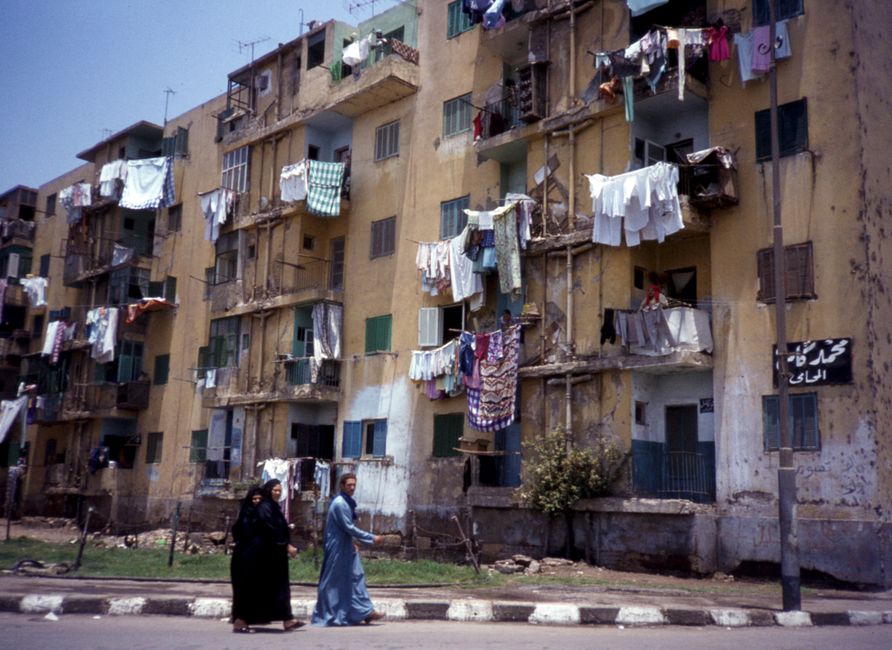
Meanwhile, emerging zones like the New Administrative Capital continue to attract speculation and investor capital, further draining liquidity from Cairo's traditional middle-class markets. Downtown Cairo and older Heliopolis neighbourhoods remain relatively affordable, but infrastructure decay and ageing buildings deter young families seeking modern amenities.
What buyers need to know now: First, avoid assuming government-backed housing schemes will materialise at advertised prices. Delays and cost overruns are endemic. Second, consider location trade-offs carefully. Areas along the Ring Road and beyond Heliopolis offer better value than inner-city alternatives, though commuting costs must factor into true affordability calculations. Third, prioritise verified title deeds and regulatory compliance—informal or partially documented properties carry significant legal and resale risks.
The regulatory environment matters more than ever. Recent amendments to property registration protocols and stricter enforcement of building codes mean informal transactions now carry penalties. Buyers should engage licensed real-estate consultants and conduct due diligence through official channels, not via street-level brokers.
For genuine affordable housing—units under EGP 1.5 million—the market is shrinking. Government programmes targeting vulnerable families show promise on paper, but execution remains inconsistent. Private developers have largely abandoned this segment, viewing margins as unsustainable.
The path forward requires patience, realistic pricing expectations, and willingness to explore emerging neighbourhoods. Cairo's affordable housing challenge won't resolve overnight, but informed buyers can still navigate the market by understanding its true drivers and avoiding speculative traps.
This article was compiled by AI and screened before publishing. See our editorial standards.
How does this story make you feel?
Spread the word
About this article
Published by The Daily Cairo
Daily brief
Free, in your inbox before 7am. Weekdays.
More in Property