Cairo's property market is bracing for a significant recalibration following the Ministry of Housing's announcement in May that all new residential projects above 5,000 square metres must now allocate 25% of units for social housing—up from the previous 15% threshold. The policy, effective immediately for all planning approvals issued after June 1st, is already reshaping developer calculations and neighbourhood trajectories.
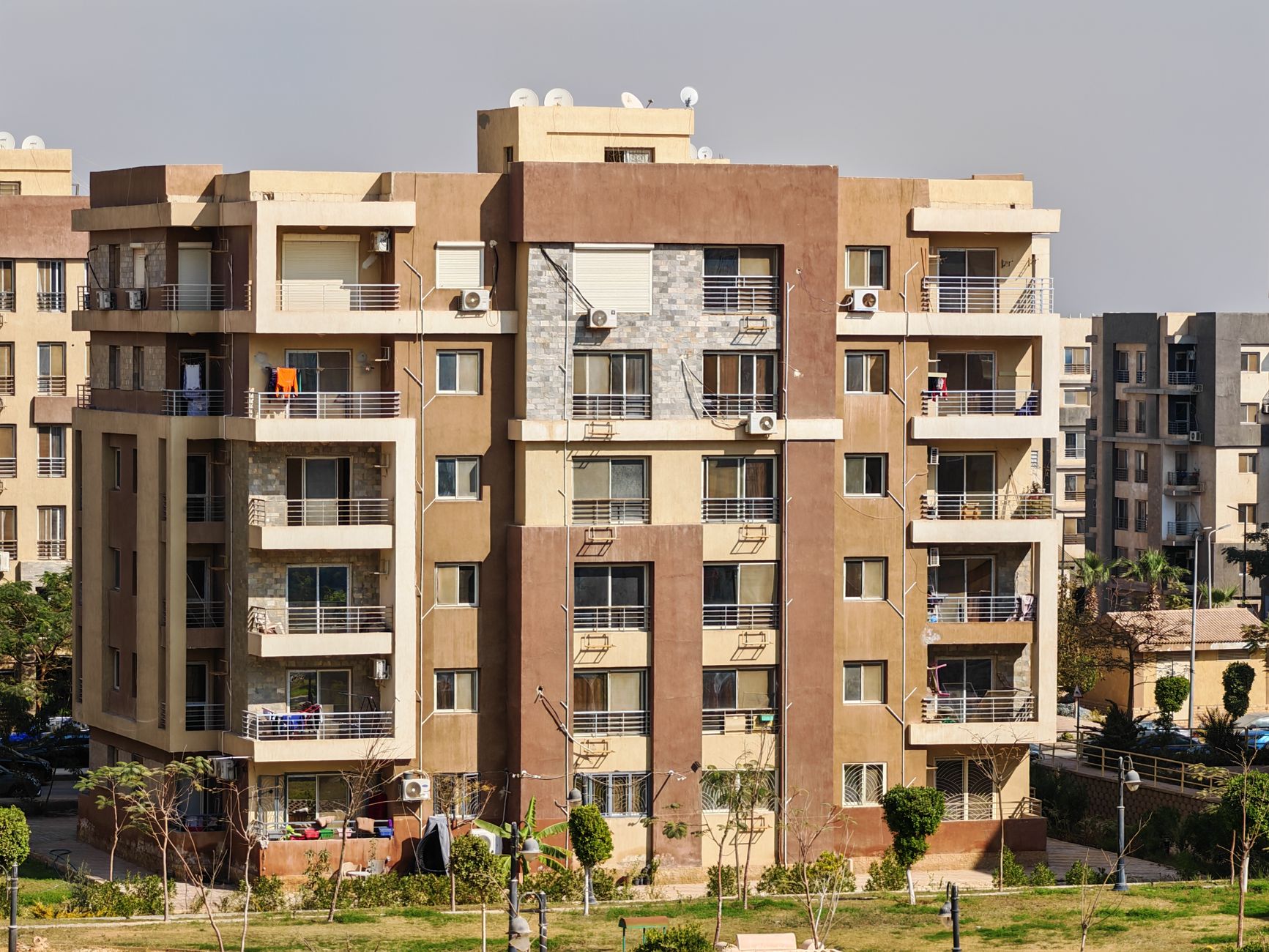
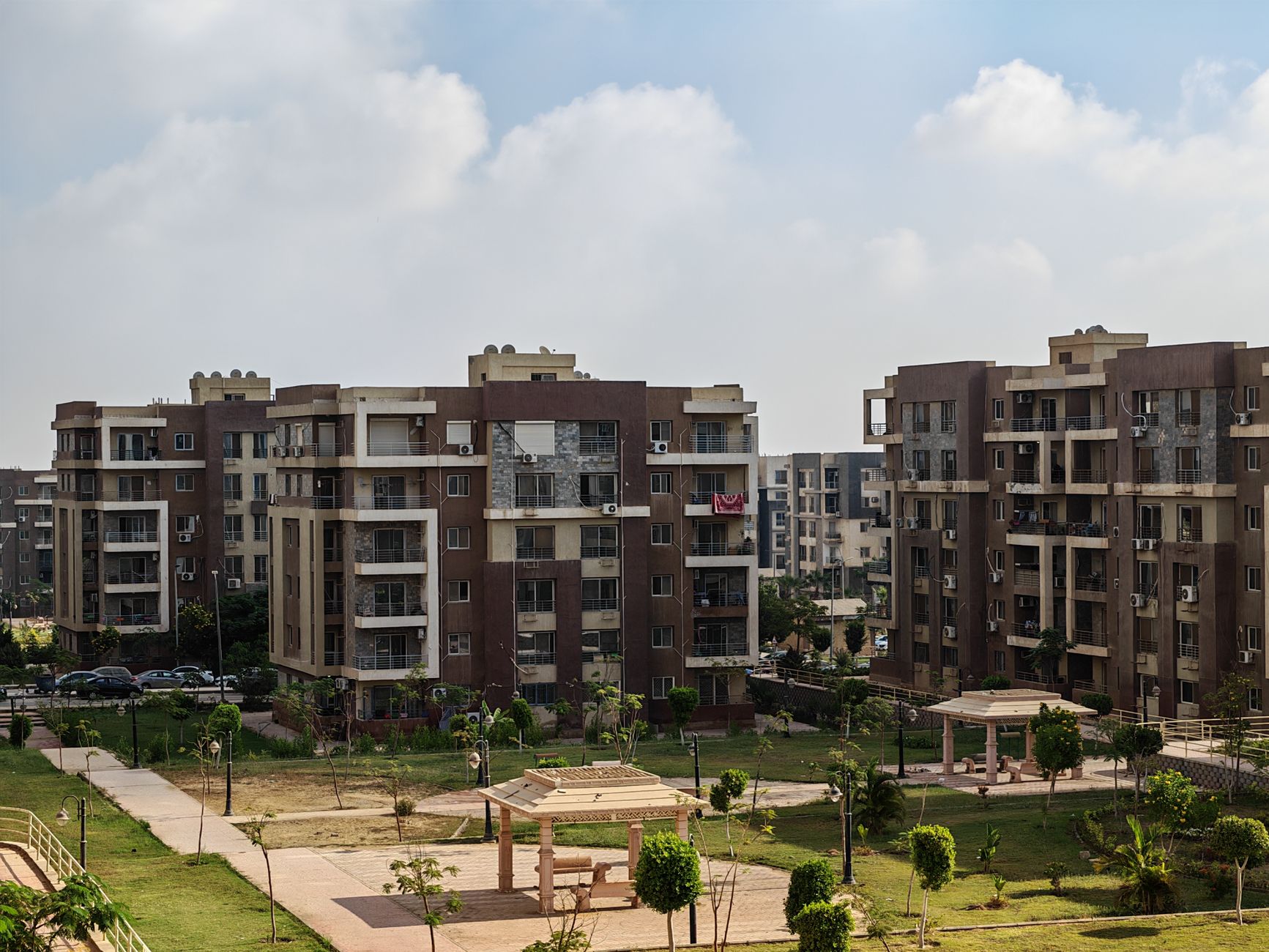
The impact is clearest in traditionally mid-market zones. Properties in Nasr City, where average per-square-metre prices hovered around EGP 65,000 before the announcement, have seen transaction volumes drop 18% in the past month, according to informal surveyor networks. Developers accrue significant carrying costs while reconfiguring floor plans to accommodate the expanded social housing requirement—a process that typically adds 4–6 months to approval timelines.
"The mathematics are straightforward," explains one Heliopolis-based property consultant. "If you're obligated to sell a quarter of units at below-market rates, your revenue per hectare compresses. Developers are now hunting for smaller parcels or repositioning toward premium zones where margins remain defensible." Zamalek and New Cairo remain largely insulated; their luxury positioning allows for social housing mandates without eroding investor appeal.
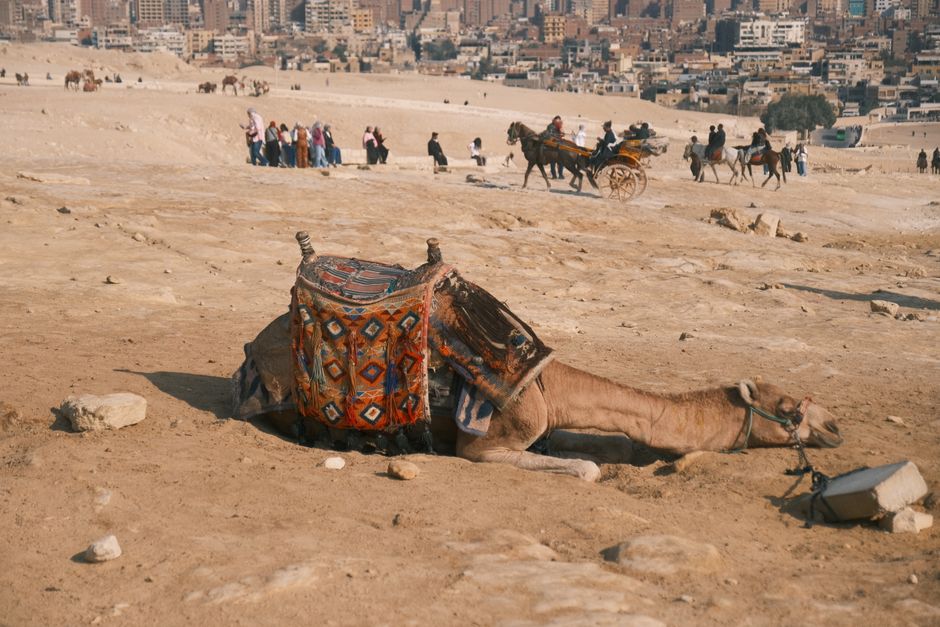
The Giza Plateau development corridor—traditionally a bellwether for affordable housing policy—reveals the sharpest dislocation. Several mid-sized projects that secured planning permission before June 1st are proceeding under the old 15% requirement, while identical typologies proposed for sites adjacent to them must now comply with 25%. This two-tier landscape is complicating valuations and creating perverse incentives to expedite pre-policy applications.
Government-backed initiatives, including the New Administrative Capital's mandatory social housing integration and the Housing and Development Bank's subsidised mortgage schemes, haven't yet offset developer reticence. Uptake of CAD 90-square-metre units in satellite towns remains sluggish among Cairo's middle-income cohort, who continue to favour established neighbourhoods despite price premiums.
The broader calculus is whether this policy tightening ultimately expands affordable supply or simply freezes development in transition zones, pushing aspiring homebuyers further into informal settlements or satellite cities. International experience suggests the answer lies in implementation rigour—whether the Ministry enforces density bonuses, expedited permitting, or land-value capture mechanisms to offset developer burden. For now, Cairo's mid-market neighbourhoods face an uncertain holding pattern.
This article was compiled by AI and screened before publishing. See our editorial standards.