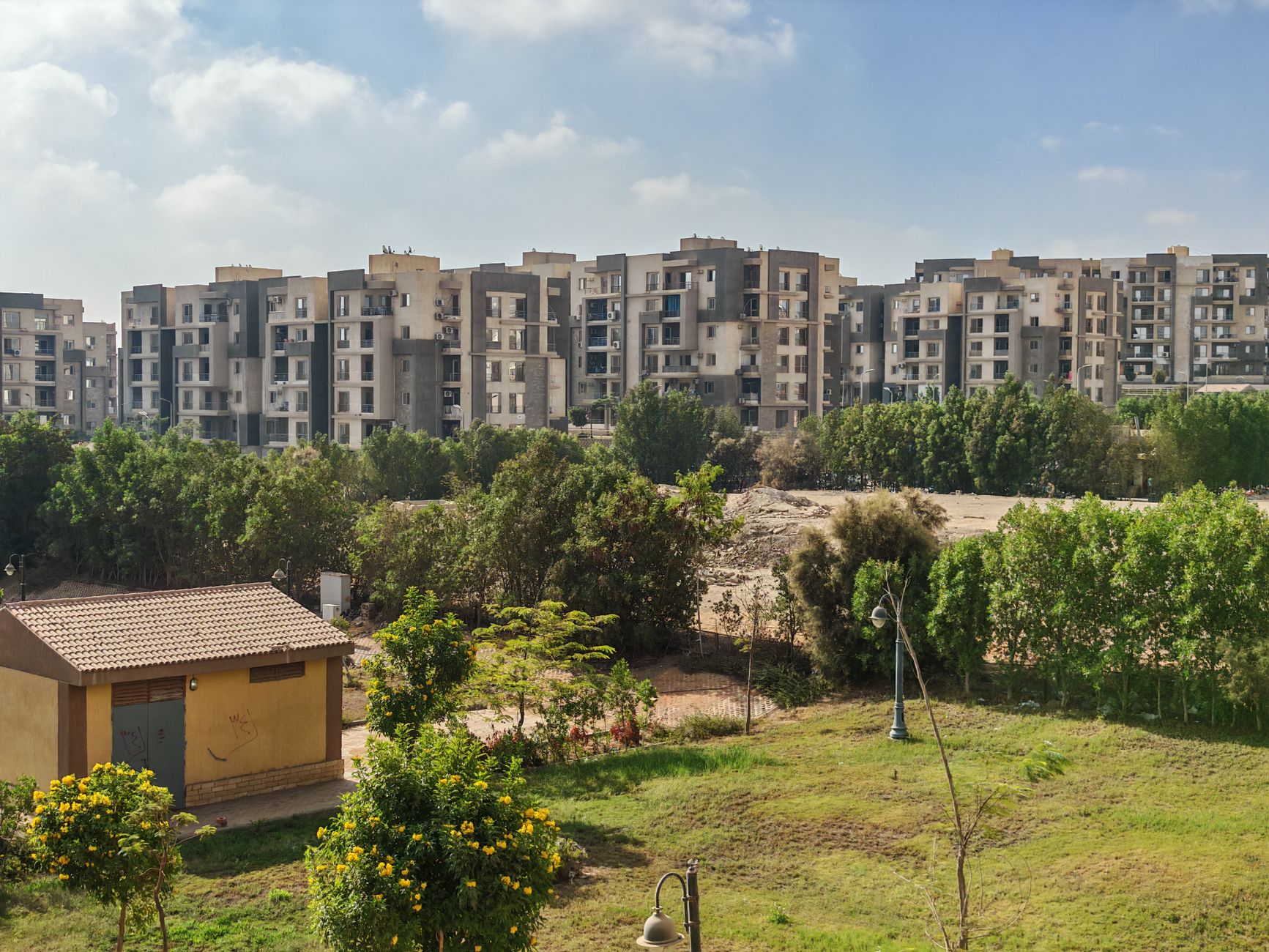
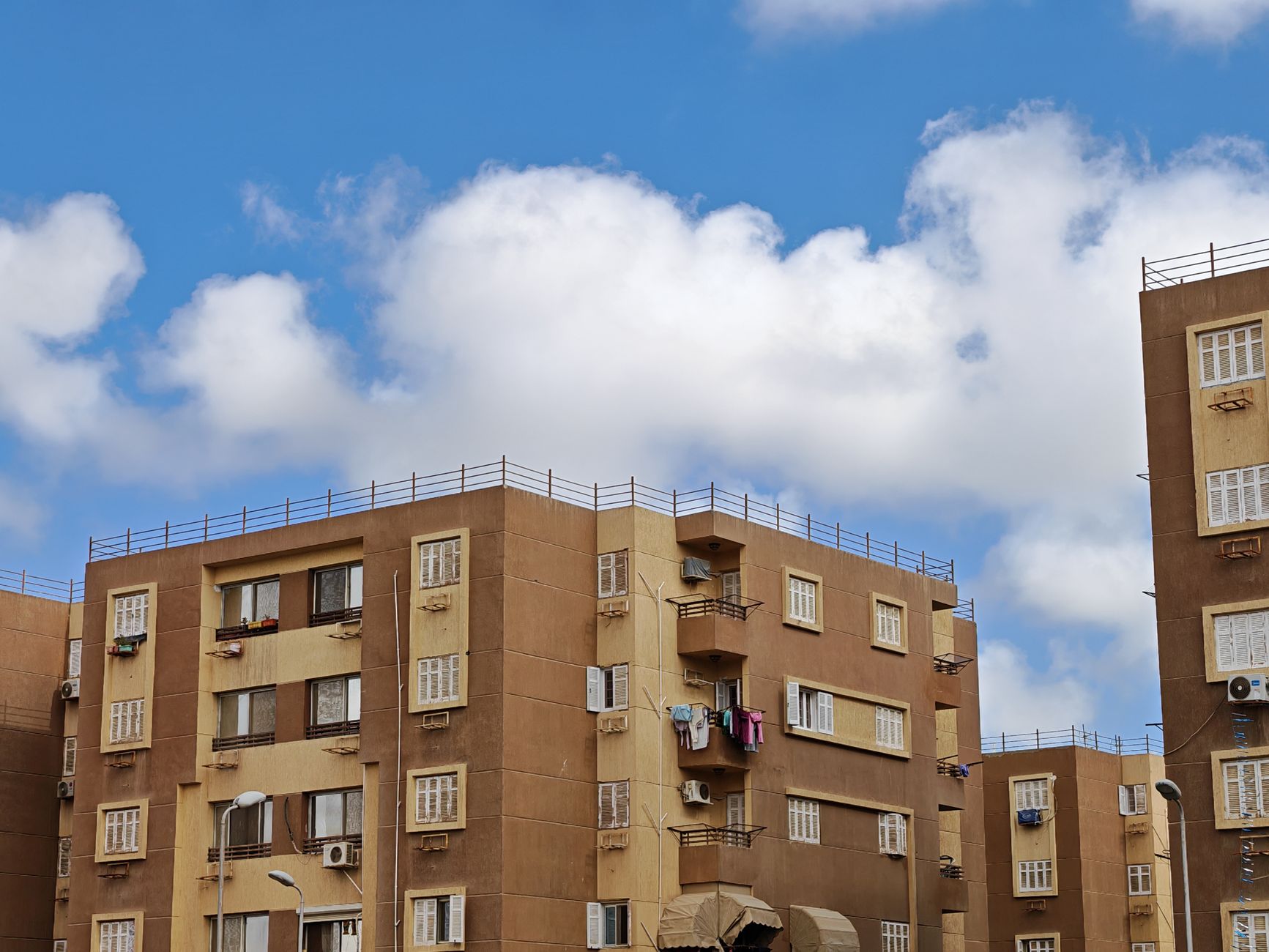
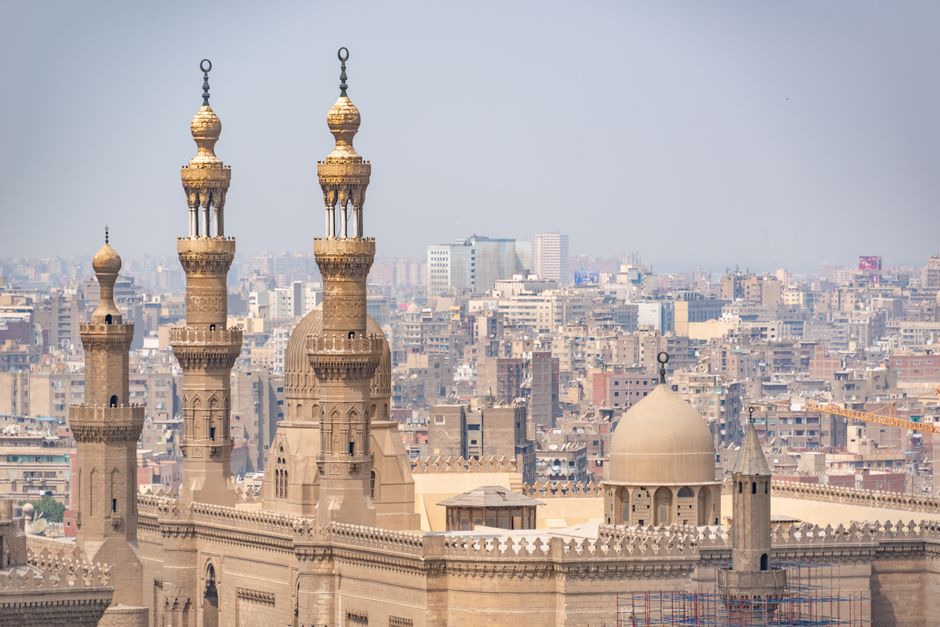
Cairo's housing market has long operated as a tale of two cities. While central Zamalek commands premiums exceeding EGP 250,000 per square metre, outer-ring neighbourhoods like Helwan struggle to clear inventory at EGP 35,000 per sqm. But a cascade of planning decisions emerging from the New Administrative Capital initiative and revised Cairo Governorate zoning policies is beginning to narrow—and destabilise—this sprawl.
The most immediate tremor came in March when authorities implemented stricter floor-area-ratio (FAR) limitations across central Cairo zones, capping density in areas like Garden City and Dokki to preserve character and ease congestion. The measure appeared sympathetic to heritage preservation, yet it immediately compressed new supply precisely where middle-income professionals once found footholds. Average prices in Dokki climbed 8 per cent within weeks; comparable units on Qasr al-Aini Street that traded for EGP 3.2 million in early 2025 now fetch EGP 3.5 million.
Paradoxically, policy-makers simultaneously introduced mandatory affordable-housing quotas for new developments exceeding 5,000 sqm. Developers working in the northern suburbs and satellite cities like New Cairo and Sixth of October must now dedicate 15-20 per cent of units to below-market pricing. The intention is noble; the market effect is instructive. Builders are responding by shifting projects toward raw land parcels in outer zones—Badr City, Sheikh Zayed expansions—where land acquisition costs permit the subsidy. This geographic reallocation is starving middle-ring neighbourhoods like Maadi of new construction, even as demand there intensifies among expats and returning diaspora.
The New Administrative Capital's magnetic pull compounds these distortions. As government offices relocate east, speculative capital has flooded satellite communities offering faster appreciation. Yet policy uncertainty dogs the transition. Ambiguous zoning maps for NAC phases 2 and 3 have frozen development financing, leaving thousands of units in limbo. Investors hedging bets between legacy Cairo and the capital's emerging districts are withdrawing from both—a rare moment of hesitation in Egypt's property sector.
Real estate data organisations report Cairo's average price point lingering near EGP 80,000 per sqm city-wide, but this aggregate masks widening variance. Premium zones appreciate 6-10 per cent annually; affordability-constrained neighbourhoods stagnate or decline. The gap between Zamalek's EGP 180,000+ median and Helwan's EGP 35,000 is no longer a spectrum—it's becoming a chasm, carved by policy.
Whether regulators can fine-tune these rules to broaden access without triggering capital flight remains the season's defining question.
This article was compiled by AI and screened before publishing. See our editorial standards.