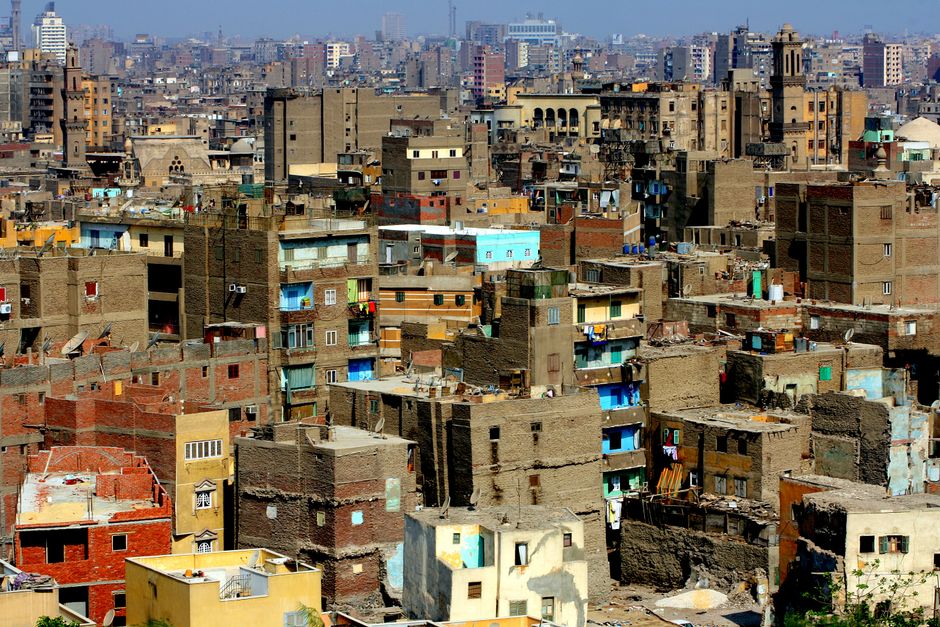
For young professionals working in Downtown Cairo's gleaming office towers or tech hubs along the Nile Corniche, the prospect of owning a home has traditionally meant either waiting decades or inheriting family wealth. But 2026 has brought a quiet shift in Egypt's property financing landscape, one that first-time buyers are finally beginning to notice—and one that investor data suggests will reshape Cairo's residential market for years to come.
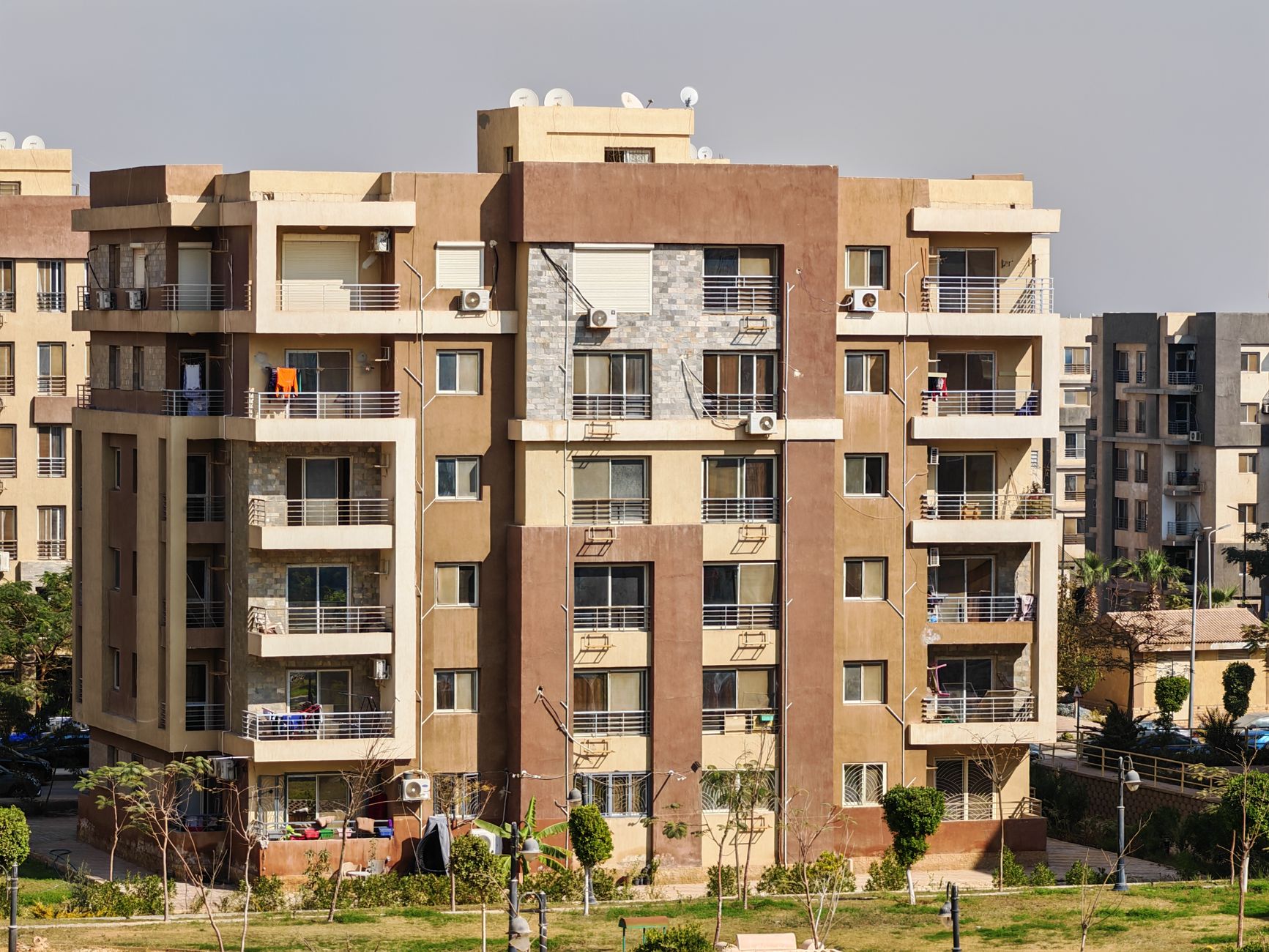
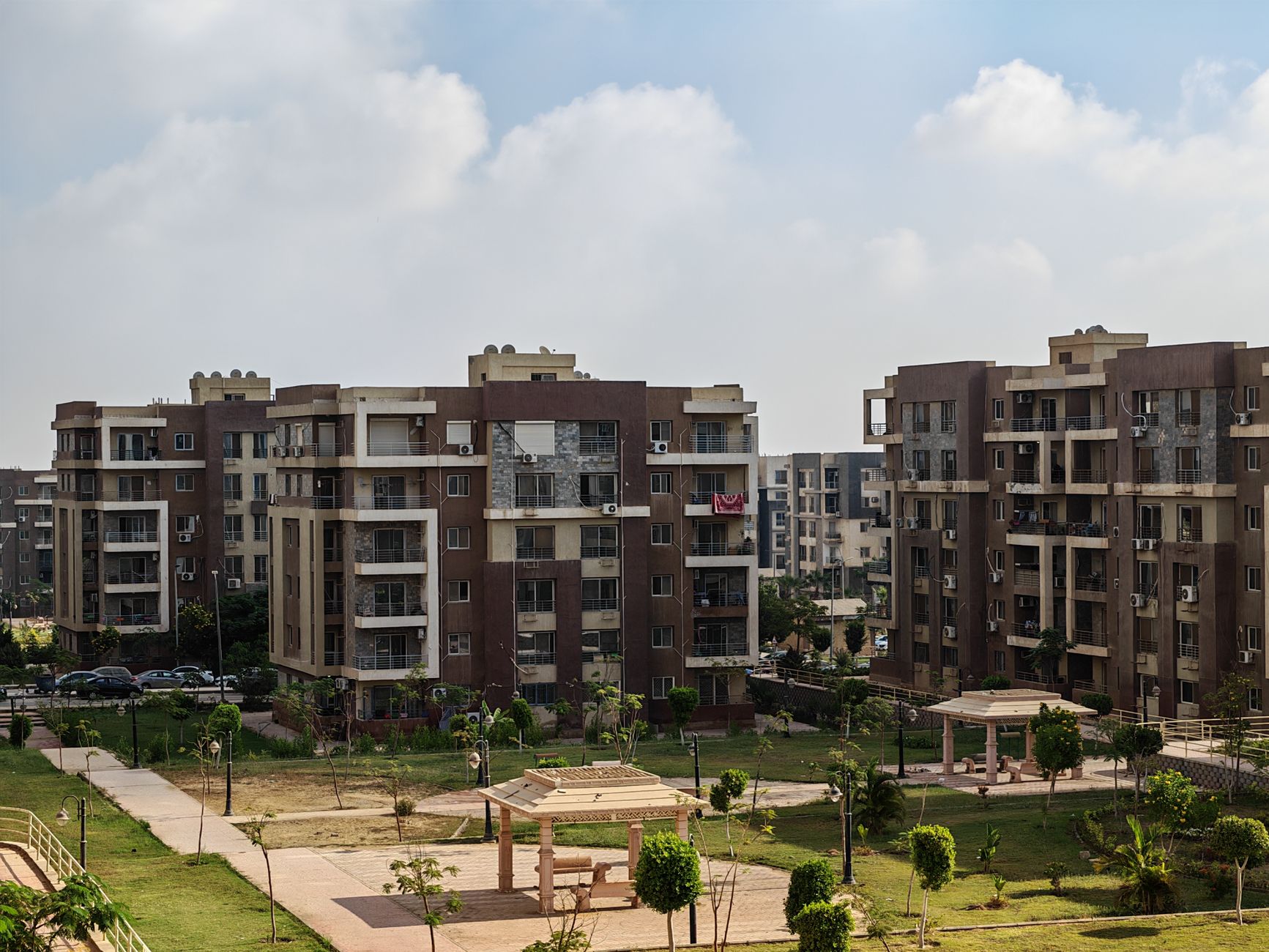
The Central Bank of Egypt's recent expansion of mortgage subsidies for properties under EGP 3 million has opened doors in emerging zones like New Cairo's Sheikh Zayed extensions and parts of October City, where average prices hover around EGP 80,000 per square metre. Combined with developer grant schemes—particularly those offered by major firms operating along the Cairo-Alexandria Desert Road—first-time buyers now have genuine entry points. Yet the investor story is far more compelling.
Property consultants tracking Cairo's residential market report that investors purchasing 2-3 bedroom units in established expat neighbourhoods like Maadi are seeing annual rental yields between 4.2 and 5.8 percent, significantly outpacing Egypt's savings account rates of 2-3 percent. A EGP 2.5 million apartment in Maadi's Street 9 or Degla area, rented to diplomatic or corporate tenants, generates roughly EGP 12,500–15,000 monthly—figures that justify purchase prices investors once considered speculative.
Zamalek's island luxury segment tells a different story. While average prices exceed EGP 150,000 per sqm, foreign investors and returning diaspora are still acquiring penthouses and villas, betting on long-term capital appreciation rather than rental returns. Here, yields drop to 2-3 percent, but property values have appreciated 8-12 percent annually over the past three years—a compelling argument for wealth preservation.
First-time buyers, however, face a different calculus. Government grants typically cover 10-15 percent of purchase price for qualifying applicants, reducing financing burden. But most young Cairenes remain priced out of the neighbourhoods where investor returns remain strongest. New Administrative Capital developments offer newer infrastructure and lower entry costs, yet rental demand remains untested—a gamble first-time owners cannot afford.
The disconnect is stark: investors see Cairo's property market as a proven wealth-building vehicle, with data supporting their confidence. First-time buyers, meanwhile, are using grants and financing to access shelter—a fundamentally different objective. Until affordable zones develop robust rental markets, that gap will persist, even as investor yields continue justifying the market's resilience.
This article was compiled by AI and screened before publishing. See our editorial standards.