Cairo's rental market is undergoing a structural shift, driven by the influx of new residential developments that are fundamentally altering where tenants can find affordable units and at what price. The emergence of massive projects in the New Administrative Capital, combined with ongoing construction in New Cairo and October City, is reshaping vacancy patterns across the Greater Cairo region in ways renters need to understand.
Historically, Cairo's rental market operated on tight margins. With average prices hovering around EGP 80,000 per square metre in established neighbourhoods, vacancy rates remained low—typically below 5 percent—meaning tenants had limited bargaining power and landlords could command premium rents. However, the completion of Phase One residential towers in the New Administrative Capital has fundamentally altered this dynamic. The newly completed compounds in the Capital are absorbing segments of Cairo's expatriate and upper-middle-class rental pool, creating unexpected breathing room in established luxury enclaves.
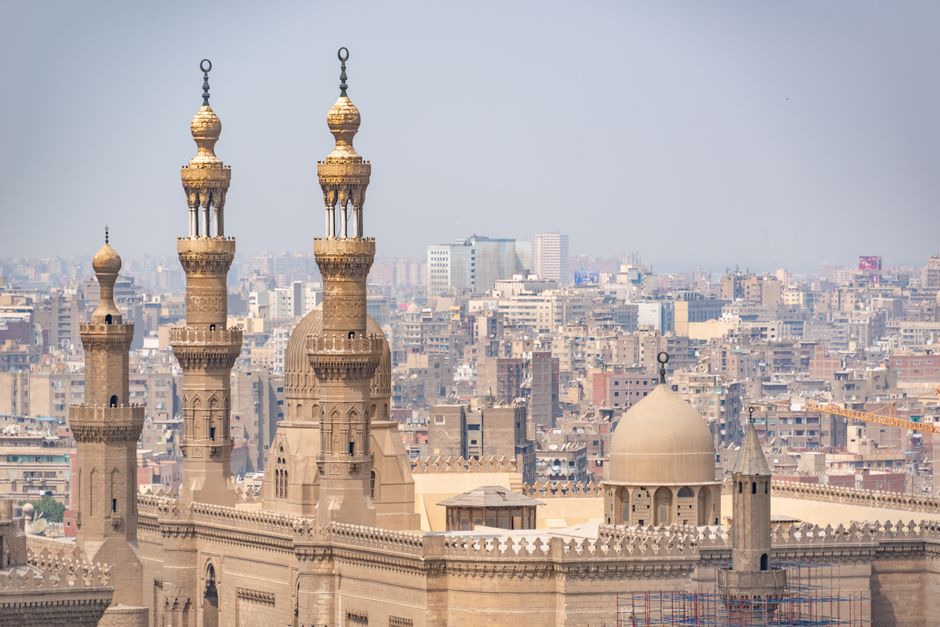
In Zamalek, traditionally Cairo's most exclusive island address, agents report vacancy rates have crept up to 7-8 percent in the past eighteen months. This represents a significant shift for a neighbourhood where furnished apartments on Gezira Street and surrounding areas once rented within days of listing. Similarly, Maadi—long Cairo's preferred expat enclave—is experiencing similar pressure, with premium compounds showing increased vacancy as tenants relocate to the Capital's newer infrastructure and lower maintenance costs.
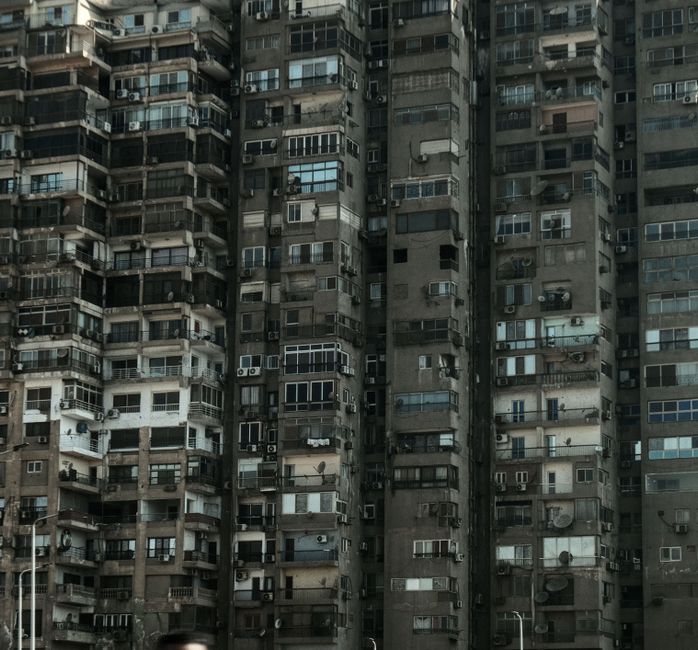
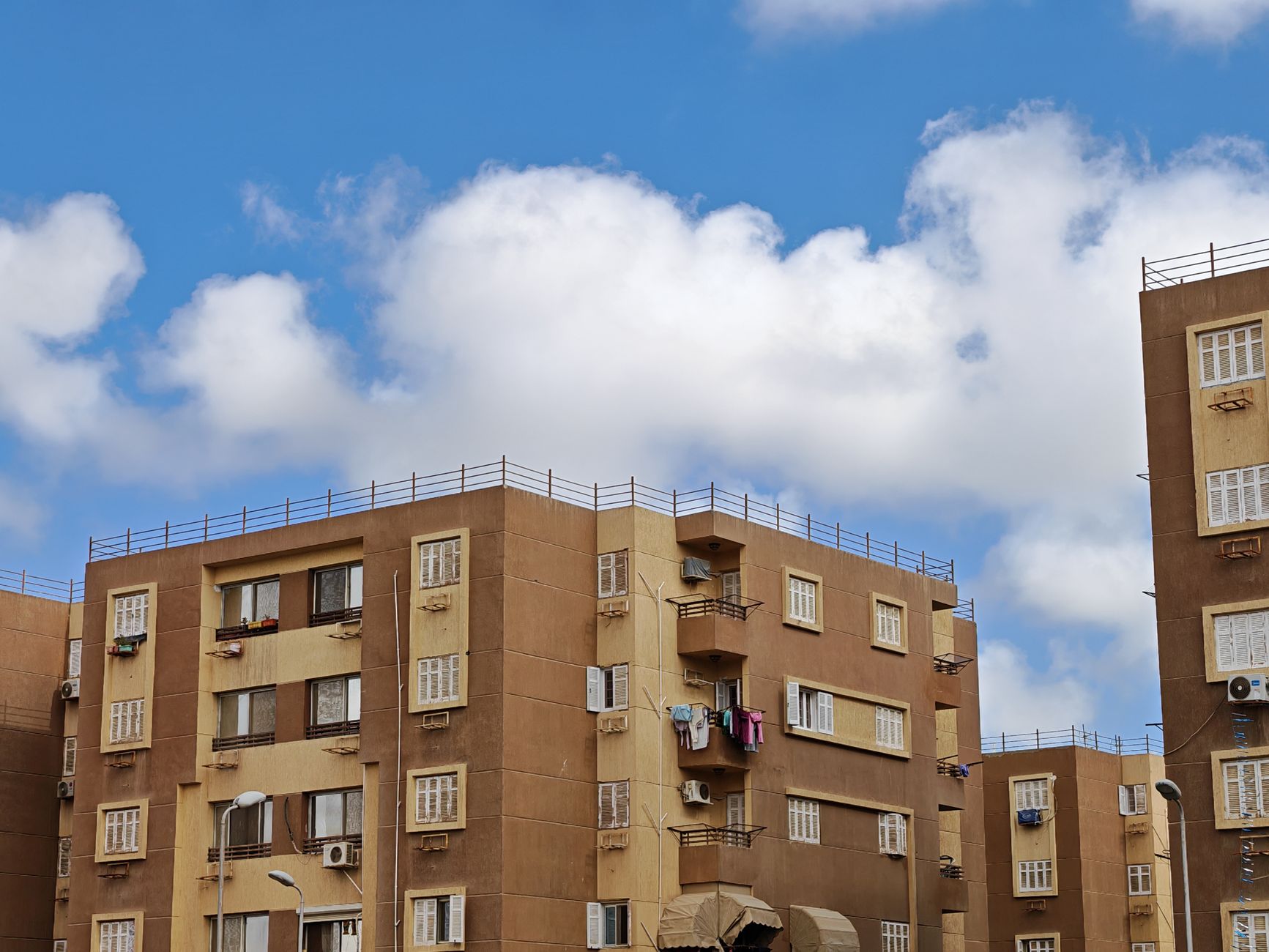
Meanwhile, New Cairo and October City present a different story. These zones are saturated with new mid-range developments, flooding the market with standardised units priced between EGP 5,000 and EGP 12,000 monthly for a two-bedroom apartment. This oversupply has compressed rental yields, creating opportunities for cost-conscious families but squeezing older residential stock in these areas.
For tenants, this moment offers tactical advantages. In Zamalek and Maadi, increased vacancy has restored negotiating power—landlords are increasingly flexible on lease terms, maintenance disputes, and annual increases. Tenants should capitalise on this window by requesting longer lease periods with fixed rates, a rarity in Cairo's traditionally landlord-favourable market.
However, renters should avoid the temptation to overstay in deteriorating central properties. The New Administrative Capital's expansion suggests this trend will accelerate. Smart tenants are repositioning toward either premium new developments with modern amenities or established neighbourhoods where landlords are actively competing for occupancy. For those seeking stability, this overcorrection from undersupply to oversupply may not last—especially as the Capital's absorptive capacity slows.
The rental market's temporary loosening is a fleeting advantage. Tenants should act decisively to secure better terms now.
This article was compiled by AI and screened before publishing. See our editorial standards.