Cairo's luxury rental market has entered a delicate moment. While average residential property across the capital hovers around EGP 80,000 per square metre, the premium segments—Zamalek's waterfront compounds, New Cairo's gated communities, and the emerging allure of the New Administrative Capital—are experiencing a tectonic shift in tenant-landlord dynamics that threatens to reshape the sector.
In Zamalek, where tree-lined streets and proximity to downtown cultural institutions once guaranteed constant demand, landlords are increasingly extending lease terms at flat rates or accepting shorter occupancy periods. Premium three-bedroom apartments that commanded EGP 4,000–6,000 monthly in 2023 are now sitting vacant for months, with owners reluctant to drop asking prices but forced to offer creative incentives: furnished-unfurnished flexibility, utilities included, or lease-break clauses that would have been unthinkable two years ago.
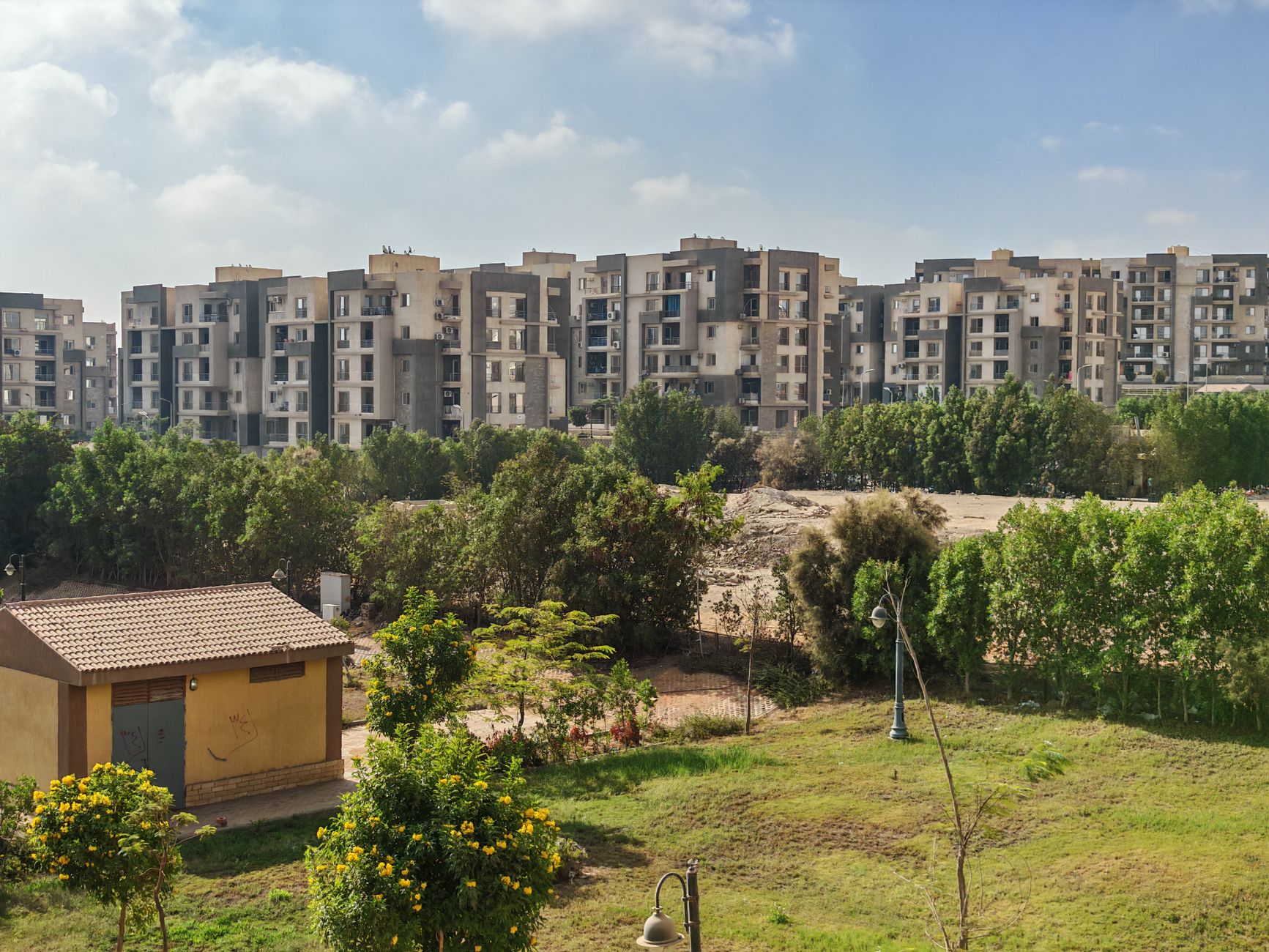
"The international tenant pool has diversified," explains the rental dynamics playing out across October City and Maadi, traditionally the expat enclaves. NGO staff, corporate expatriates, and diplomatic families—historically the backbone of Cairo's luxury rental market—are either negotiating harder or simply departing. Some are choosing the New Administrative Capital's newer, purpose-built compounds, where landlords offer competitive five-year packages at lower per-square-metre rates, luring tenants eastward.
The pressure is acute for landlords managing properties above EGP 3,000 monthly. Holding costs—maintenance, municipal taxes, security—remain fixed, but rental income has become elastic. Some owners are pivoting: converting single large units into multiple smaller apartments, targeting the growing Egyptian professional class seeking quality accommodation near business districts. Others are reluctantly engaging property management firms like those operating around Nile City Towers and Garden City, accepting commission cuts to ensure occupancy.
For tenants, particularly long-term residents, the calculus has shifted favorably. Negotiating power has returned after a decade of landlord advantage. Furnished versus unfurnished disputes—once settled in landlords' favour—are now contractual discussion points. Deposit structures, once punitive, are becoming standardised and transparent.
Yet beneath this apparent tenant victory lies a structural anxiety: the luxury market's health depends on consistent foreign demand and strong local purchasing power. As both contract, the intermediate tier—EGP 2,000–3,500 monthly for quality two-bedrooms in established neighbourhoods—has become the real battleground. Properties here are neither premium enough to weather long vacancies nor accessible enough to capture mass-market demand.
The rental correction, while overdue, signals a broader recalibration of Cairo's property market. Landlords and tenants are discovering that sustainable luxury depends less on holding out for peak rates and more on building stable, long-term relationships in an increasingly competitive, geographically fragmented city.
This article was compiled by AI and screened before publishing. See our editorial standards.