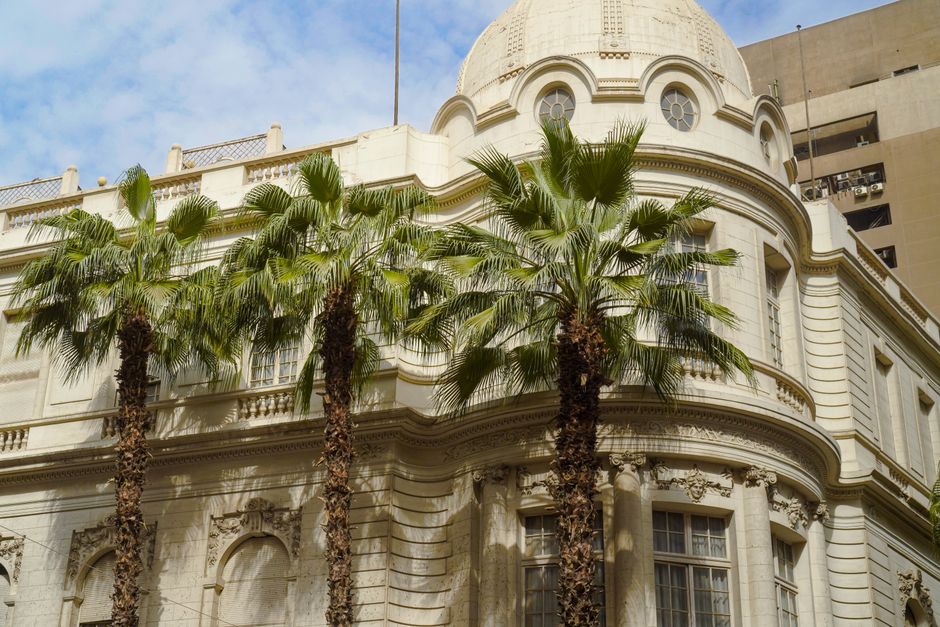
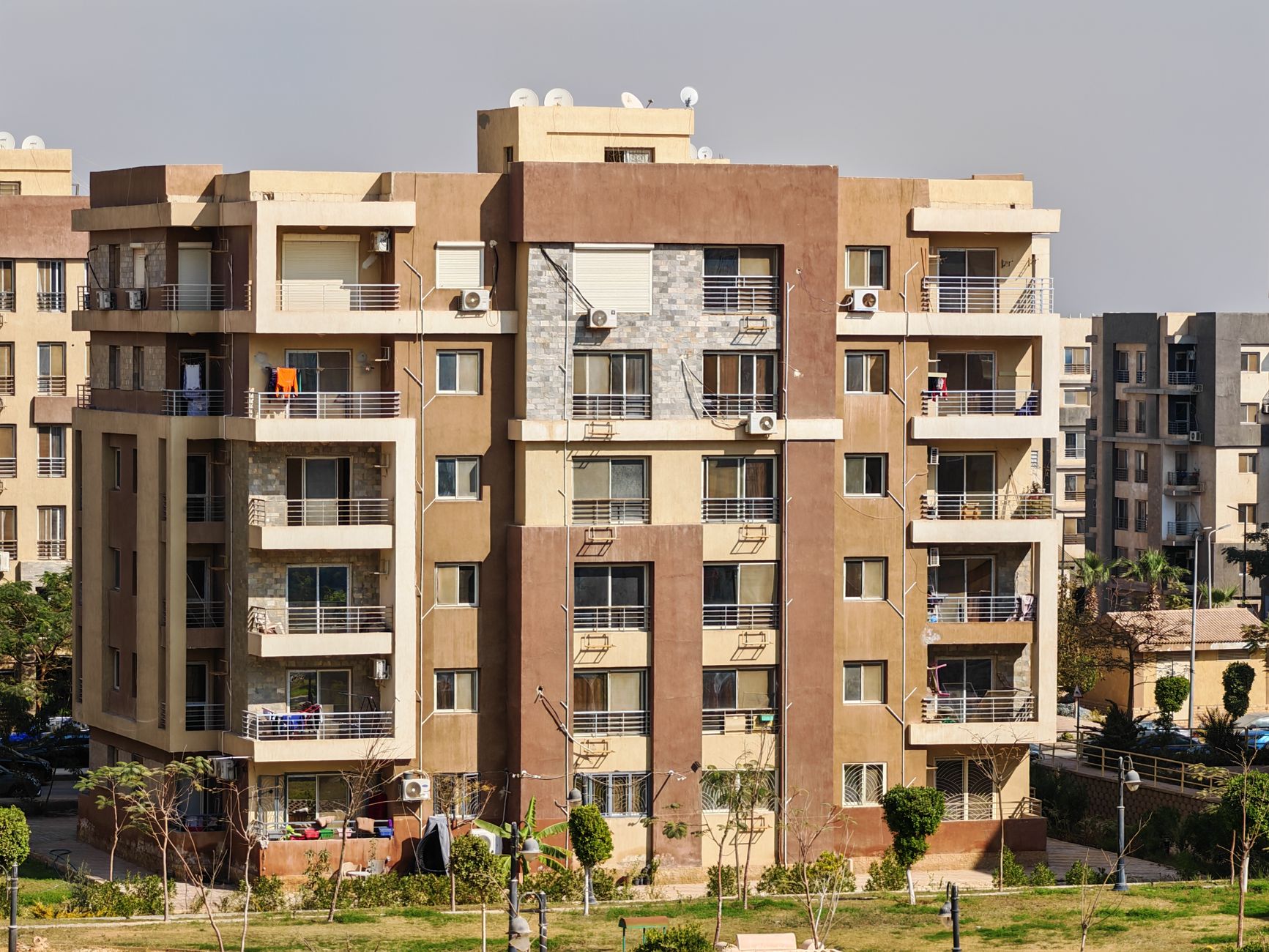
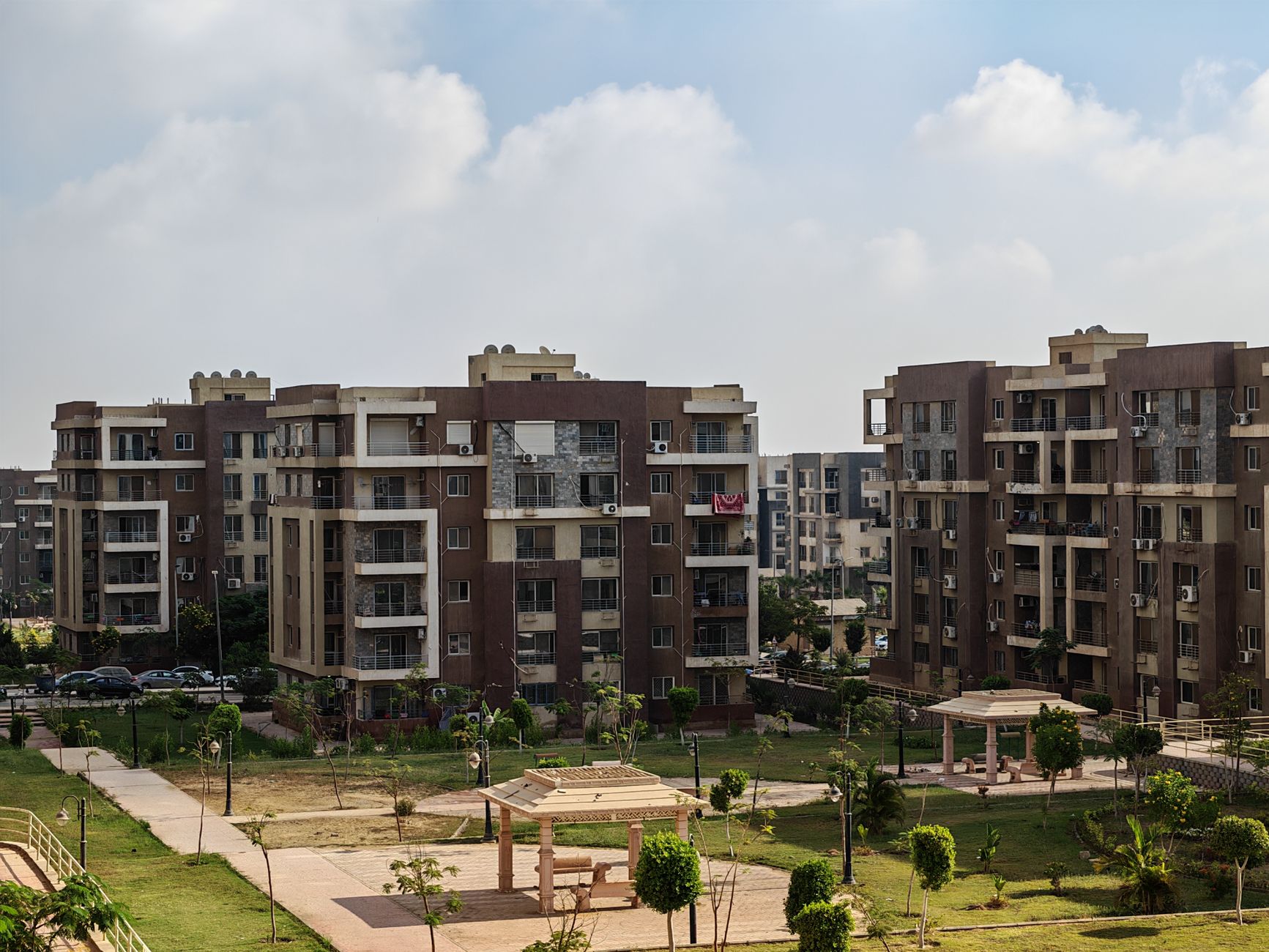
Cairo's property market is sending mixed signals to first-time buyers. While the capital's average price per square metre hovers around EGP 80,000, the real story lies in the premium neighbourhoods where aspiration meets affordability crisis. In New Cairo and October City, prices have climbed 15–20% in the past 18 months, driven largely by infrastructure investment, proximity to employment hubs, and limited inventory. Meanwhile, Zamalek's island exclusivity commands double or triple those rates, and Maadi continues to attract expat families willing to pay for established amenities and security.
The pressure is real. Young professionals earning between EGP 5,000–8,000 monthly find themselves priced out of neighborhoods they grew up in, forcing difficult choices: compromise on location, extend loan terms beyond comfort, or delay purchases indefinitely.
What's driving these increases? The answer involves multiple factors. The New Administrative Capital project has redirected significant investment and demographic movement eastward, creating a domino effect across established areas. Simultaneously, commercial developments along the Nile Corniche and around Heliopolis have increased demand from investors and end-users alike. Banks have become slightly more flexible with first-time buyer lending since 2024, but rates remain steep at 8–11% for mortgages exceeding 80% loan-to-value ratios.
Government initiatives exist but remain underutilised. The Ministry of Housing's social housing schemes occasionally release units at subsidised rates in satellite cities, though application windows are narrow and publicity minimal. Meanwhile, traditional grants are virtually non-existent—first-time buyers must rely primarily on mortgage products, savings deposits, and family support.
For buyers entering the market now, experts recommend three critical steps. First, understand your actual budget: lenders typically require 20–25% down payment for properties above EGP 2 million. Second, get pre-qualified before viewing properties; this prevents emotional overcommitment and speeds negotiation. Third, explore less saturated areas—emerging zones near the New Administrative Capital, or established neighbourhoods like Nasr City, often offer better value than premium addresses.
The key insight: prices aren't purely driven by scarcity. They reflect infrastructure investment, perceived safety, proximity to services, and speculative demand from investors. First-time buyers who understand these drivers can identify genuine opportunities rather than chasing prestige addresses they can't afford.
The market isn't cooling soon, but it's becoming more segmented. Those who act strategically—rather than emotionally—will find homes that work. The question isn't whether to buy, but where, and with what realistic timeline.
This article was compiled by AI and screened before publishing. See our editorial standards.