Breaking Ground: A First-Time Buyer's Guide to Cairo's New Development Market
With construction booming across New Cairo and the New Administrative Capital, here's how to navigate approvals, timelines, and red flags when buying off-plan.
With construction booming across New Cairo and the New Administrative Capital, here's how to navigate approvals, timelines, and red flags when buying off-plan.
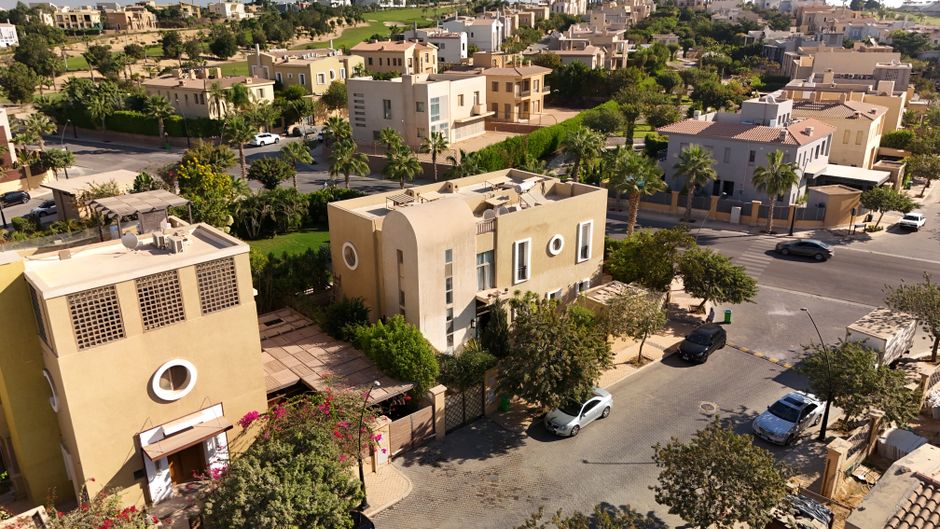
Cairo's property landscape is shifting faster than ever. From sprawling compounds in New Cairo to emerging projects along the Ring Road, first-time buyers are increasingly drawn to new developments—attracted by modern amenities, payment plans, and the promise of capital appreciation. Yet navigating this market requires understanding Egypt's building approval process, timeline realities, and the financial safeguards that matter most.
The past eighteen months have seen a notable acceleration in construction permits issued by Cairo's Municipal Authority and the New Administrative Capital Authority. Properties in October City, once considered the premium edge case, now compete directly with newer offerings in the New Capital's residential zones—where EGP 120,000–150,000 per square metre is not uncommon. Meanwhile, traditional strongholds like Maadi and Zamalek have seen limited new supply, keeping resale prices firm around EGP 110,000–130,000 per sqm.
Before committing funds, verify that your developer holds a valid Decree from the Real Estate Regulatory Authority (RERA). This is non-negotiable. Check the project's license status at RERA's offices in Heliopolis or via their website; unregistered developers operating in grey zones pose significant risk to your investment. Ask for completion timelines in writing—Cairo's construction environment often extends deadlines by 12–24 months, so build realistic expectations.
Payment schedules are critical. Reputable developers along Sheikh Zayed Road and within New Cairo typically stagger payments: 10–20 percent upon signing, 30–40 percent during construction phases, and the remainder upon handover. Banks financing these purchases—including NBE, Banque Misr, and specialist mortgage providers—now require proof of RERA registration and completion insurance before disbursing funds. Don't skip this step; it protects both you and the lender against developer default.
Inspect the site yourself or hire a surveyor. Walk the compound, verify infrastructure (water, electricity, sewage connections), and confirm that common amenities match marketing materials. Several high-profile delays in New Cairo compounds stemmed from delayed utility approvals from EWRA (Egyptian Water Regulatory Authority), not poor construction.
Consider the location strategically. First-time buyers often overlook commute costs and neighbourhood maturity. New Capital projects offer modern infrastructure but limited retail and services; New Cairo compounds near Palm Hills or Sodic are established, with schools and hospitals nearby. Zamalek remains the luxury island choice but carries premium pricing with minimal new supply.
Finally, use a property lawyer familiar with RERA protocols and off-plan purchases. The fee—typically 1–2 percent of the purchase price—is an investment in clarity. They'll review contracts, verify approvals, and ensure escrow arrangements protect your deposits until handover.
Cairo's new development market rewards informed buyers. Do your homework before signing.
This article was compiled by AI and screened before publishing. See our editorial standards.
How does this story make you feel?
Spread the word
About this article
Published by The Daily Cairo
Daily brief
Free, in your inbox before 7am. Weekdays.
More in Property