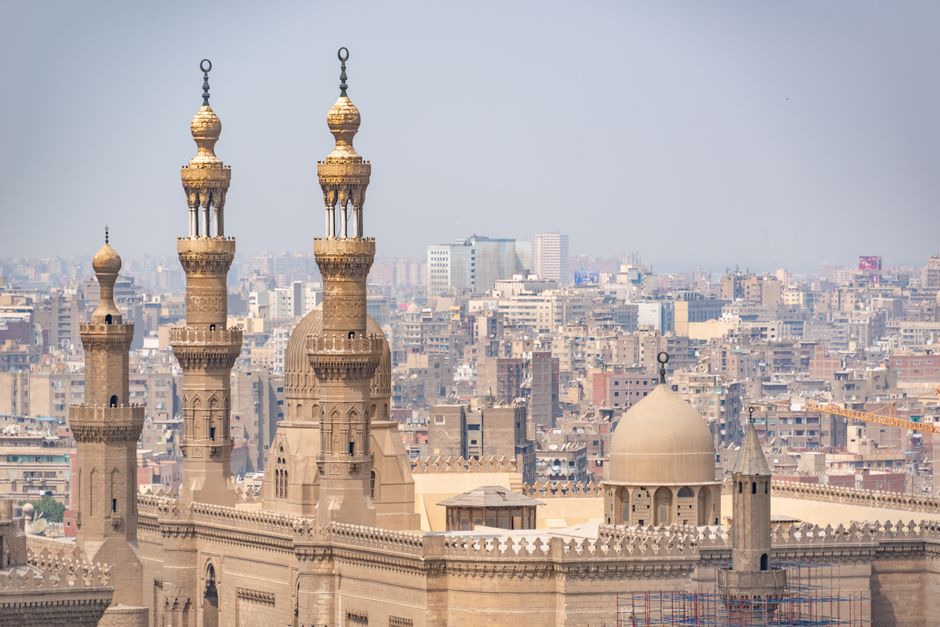
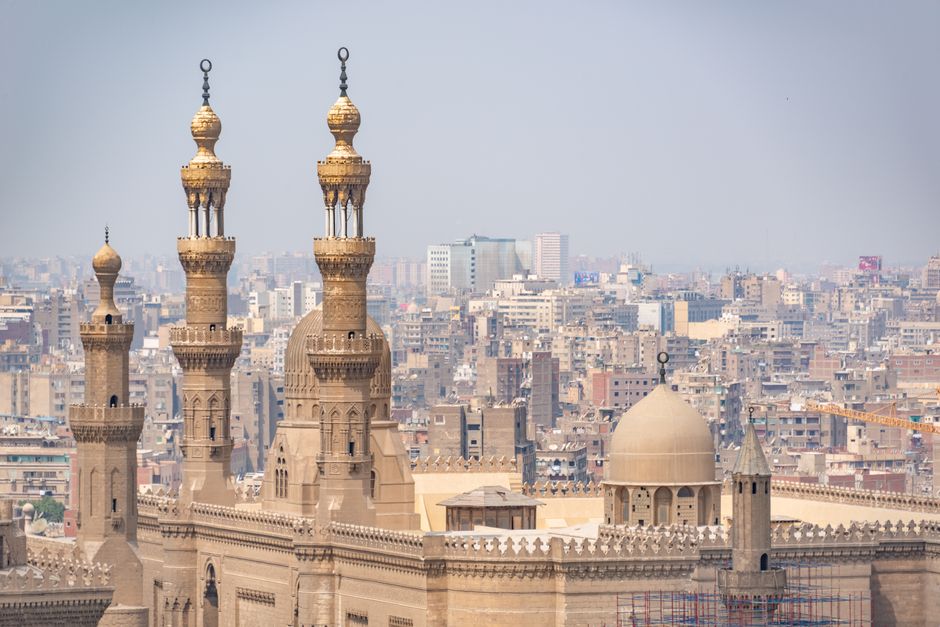
The Cairo luxury property market is sending mixed messages, and the data tells a story far more nuanced than headline prices suggest. Over the past eighteen months, auction results for prime waterfront penthouses in Zamalek have breached EGP 3.2 million per square metre—more than forty times the city average—yet transaction volumes in the top tier remain volatile, pointing to a market increasingly driven by selective foreign capital rather than domestic demand.
Recent clearance rates at major auction houses reveal the pattern. Properties listed in the EGP 500 million-plus bracket across Zamalek's riverside addresses and New Cairo's exclusive compounds now achieve sale ratios hovering around 62 per cent, down from 78 per cent two years ago. The gap between asking prices and realised values has widened to 8–12 per cent, particularly for units requiring significant finishing or located outside the immediate Nile-view corridor. This suggests that even ultra-wealthy buyers are becoming selective—a marked shift from the period when location and prestige alone commanded premium bidding.
The New Administrative Capital's emergence has begun fragmenting Cairo's luxury investor base. Data from the past quarter shows a measurable drift of institutional investment toward NAC's Heliopolis District and diplomatic zones, where yields are perceived as more predictable and regulatory frameworks clearer. Zamalek and Maadi, traditionally the expatriate enclaves commanding top rents, now face headwinds: international tenant demand has softened as remote work patterns normalise and visa uncertainty persists.
What's most telling is the divergence between old money and new. Compounds in October City's high-security gated communities—home to tech entrepreneurs, contractors, and Gulf investors—have seen prices climb steadily to EGP 2.1 million per square metre, with stronger holding periods and rental yields. Meanwhile, signature Zamalek addresses, despite their prestige, have experienced longer marketing cycles and more negotiation. This signals a market recalibrating around utility and future appreciation potential, not merely heritage cachet.
The auction data also hints at deleveraging. Properties changing hands at hammer prices 15–20 per cent below 2023 valuations are predominantly held by investors managing debt or portfolio rebalancing—not distressed sales, but a measured exit before further rate adjustments. Bank lending to property buyers has tightened, reducing speculative froth.
For Cairo's luxury sector, the message is clear: stratification is accelerating. Ultra-prime Nile-view assets remain anchored by international buyer interest and scarcity value. But the broader luxury bracket—the EGP 1–3 billion range where most local high-net-worth individuals operate—is entering a period of genuine price discovery. Prudence, not prestige alone, is now driving the market's narrative.
This article was compiled by AI and screened before publishing. See our editorial standards.