Cairo's Rental Vacancy Crisis: What's Really Driving ...
As vacancy rates plummet across premium neighbourhoods, rental costs surge—here's what savvy renters need to understand about the market shift reshaping Cairo's housing landscape.
As vacancy rates plummet across premium neighbourhoods, rental costs surge—here's what savvy renters need to understand about the market shift reshaping Cairo's housing landscape.
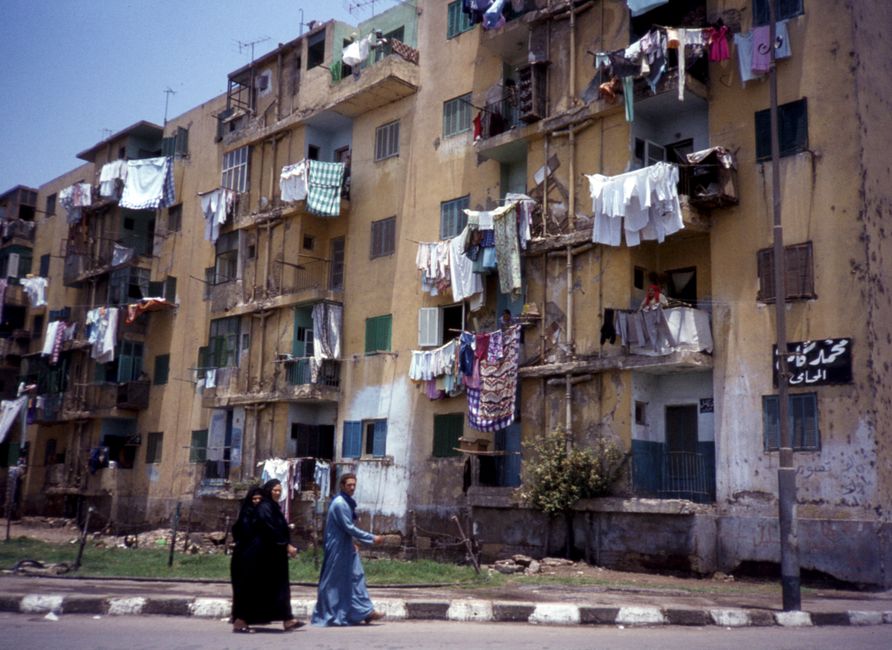
Cairo's rental market has entered a supply crunch few predicted. Across Zamalek, Maadi, and the sprawling New Cairo developments, vacancy rates have collapsed to historic lows, forcing tenants into an increasingly competitive landscape where the rules of engagement are shifting rapidly.
The numbers tell a stark story. While the broader Cairo market hovers around an average of EGP 80,000 per square metre for purchases, the rental sector is experiencing something more volatile. Premium neighbourhoods—particularly along the Nile-facing streets of Zamalek and the tree-lined compounds of Maadi—are seeing rental prices climb 12–15% year-on-year, driven partly by international school relocations and corporate headquarters consolidating near the New Administrative Capital corridor.
What's driving this squeeze? Three factors dominate. First, property owners increasingly view rental income as supplementary to long-term capital appreciation, leading many to hold units vacant rather than accept rates they deem insufficient. Second, the rise of furnished short-term rentals through digital platforms has siphoned stock from the traditional long-term market. Third, new construction in October City and New Cairo's premium zones targets higher-income renters, leaving middle-market options sparse—particularly around Heliopolis and Nasr City, where affordable family apartments are drying up.
For tenants, the implications are immediate. Negotiating power has evaporated. Landlords now demand upfront payments of 12 months rather than the traditional three, and rental contracts increasingly include annual escalation clauses of 5–10%. In Maadi, a two-bedroom apartment that rented for EGP 4,000–5,000 monthly in 2024 now commands EGP 5,500–6,500. Zamalek commanding even steeper premiums for river views and proximity to institutions like the American University in Cairo.
The emerging solution is strategic timing and flexibility. Tenants should avoid peak seasons (June–August) when corporate relocations spike demand. Consider satellite neighbourhoods—Katameya, Sheikh Zayed, and New Cairo's outer compounds offer 15–20% discounts compared to established enclaves, often with comparable amenities. Most importantly, secure leases now before rates climb further; waiting invites price hikes.
Real estate professionals advise renters to work with established agents and legal consultants to navigate contract terms, particularly escalation clauses and maintenance responsibilities. The days of casual, informal rental agreements are fading. Cairo's rental market is professionalising, and tenants who understand its mechanics will navigate it far more successfully than those who don't.
This article was compiled by AI and screened before publishing. See our editorial standards.
How does this story make you feel?
Spread the word
About this article
Published by The Daily Cairo
Daily brief
Free, in your inbox before 7am. Weekdays.
More in Property