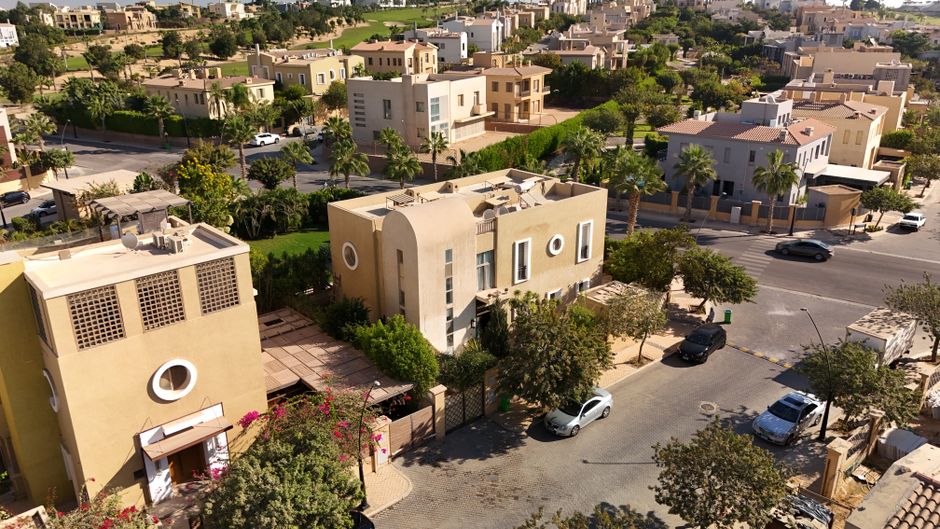
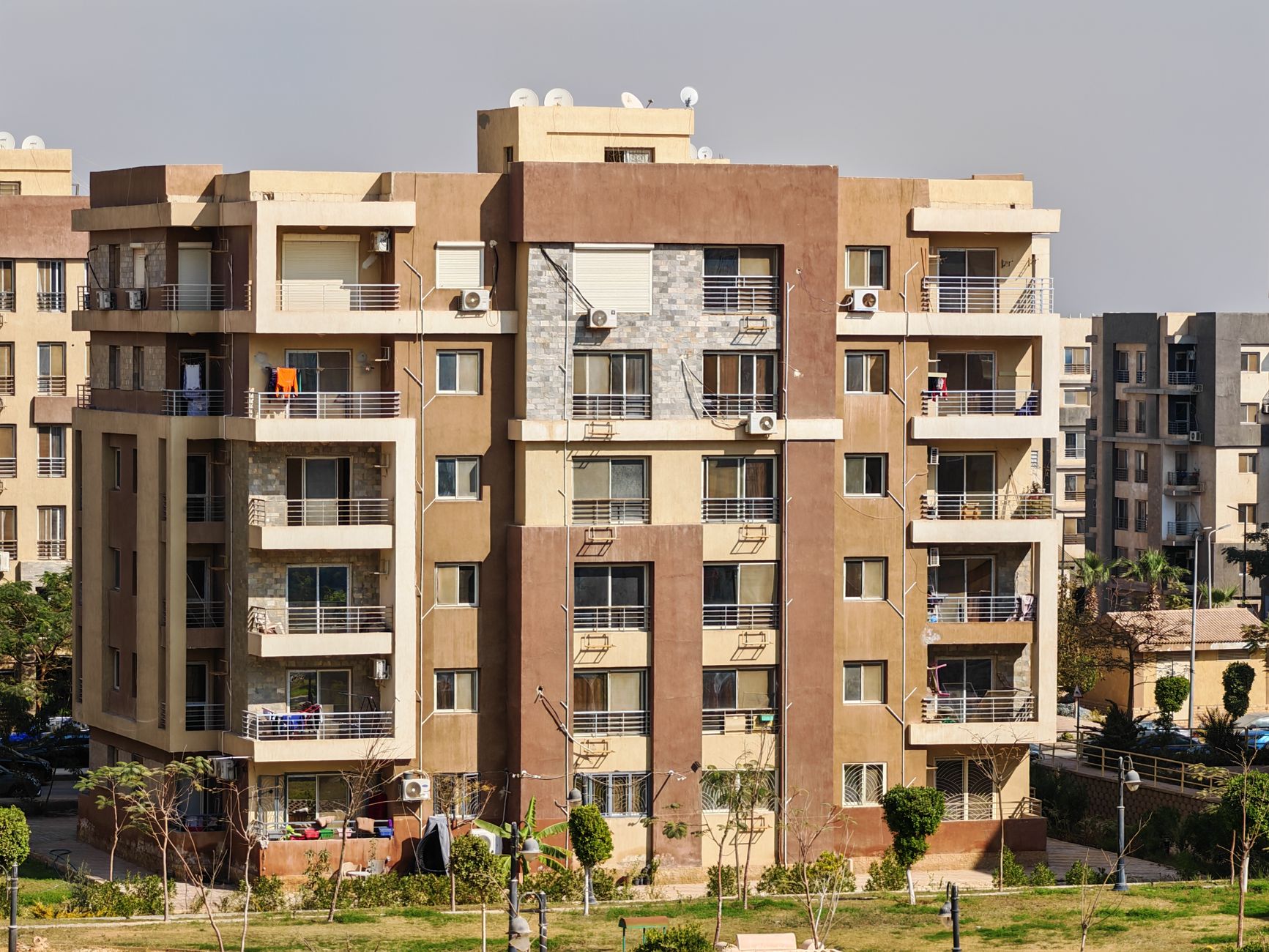
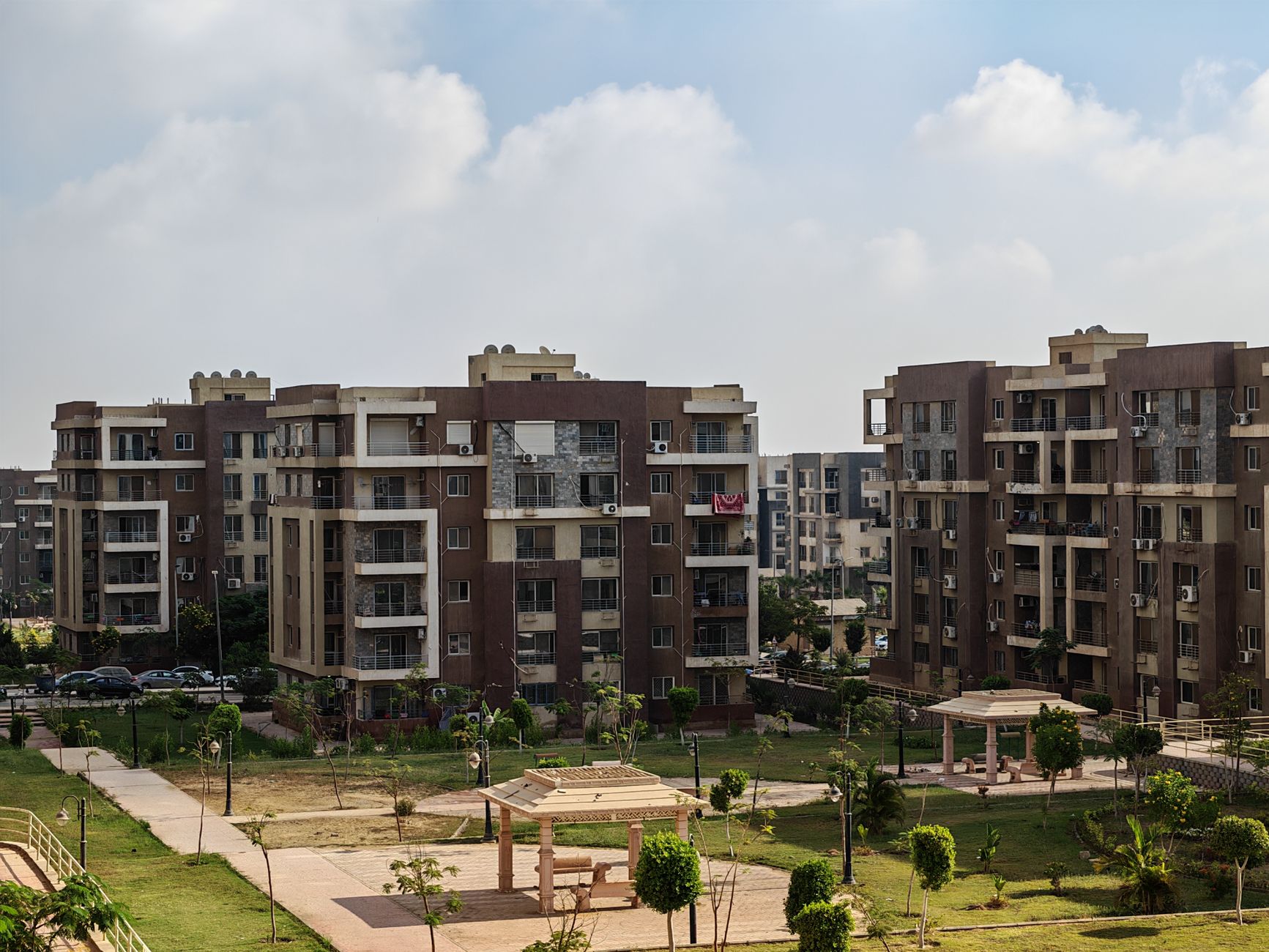
Cairo's first-time home buyer landscape is undergoing its most significant transformation in years, driven by a cascade of policy decisions that promise opportunity but deliver uncertainty. The government's revised affordable housing mandate—requiring developers to allocate 15% of new projects to entry-level properties—has created ripples across established markets from Maadi to October City, even as financing mechanisms remain in flux.
For buyers exploring traditional markets, the numbers tell a cautionary tale. Properties in central Cairo neighbourhoods like Garden City and Zamalek command premiums exceeding EGP 150,000 per square metre, while New Cairo's premium zones hover around EGP 95,000–120,000/sqm. The city average of EGP 80,000/sqm masks stark disparities that first-time buyers navigate with limited guidance and tightening mortgage accessibility.
Recent changes to the Central Bank's mortgage lending framework—specifically adjusted loan-to-value ratios and mandatory insurance requirements—have narrowed qualifying pathways. Banks now demand proof of stable employment and stricter debt-service ratios, effectively locking out freelancers and informal sector workers. Simultaneously, the government's promised grant programme for buyers under 30 remains suspended, pending legislative approval since early 2025.
The emerging New Administrative Capital presents a calculated gamble. Developer-backed financing offers stretched across 10–15 years at rates competitive with traditional mortgages, yet property values there remain speculative. Early investors betting on appreciation now face extended timeframes for neighbourhood stabilisation, with essential infrastructure—schools, hospitals, retail anchors—still under construction along the main administrative spine.
October City and 6th of October City occupy a strategic middle ground. These established satellite communities offer relative affordability (EGP 65,000–85,000/sqm) and functioning amenities—universities, shopping centres like City Centre Mall, medical facilities—that make them pragmatic choices for young couples prioritising livability over prestige address.
Real estate consultants note that policy volatility itself has become a purchase factor. Buyers increasingly ask: Will grant schemes materialise? Will mortgage terms improve? Will property tax structures change? This hesitation has softened transaction velocity in mid-range segments, even as ultra-premium Zamalek properties and budget-conscious New Capital speculation continue.
The path forward hinges on implementation clarity. Government bodies must clarify timelines for affordable housing delivery, stabilise financing terms, and communicate grant eligibility criteria transparently. Without these signals, first-time buyers will remain cautious—waiting for policy dust to settle before committing capital to what remains, despite challenges, Cairo's most important life decision.
This article was compiled by AI and screened before publishing. See our editorial standards.