Cairo's property market is experiencing a peculiar squeeze. While first-time buyers traditionally build equity through rental years before purchasing, the city's shifting rental dynamics are upending that timeline—and creating ripple effects across both tenant and landlord communities.
The mathematics are stark. Average rental yields in established neighbourhoods like Maadi and Heliopolis have compressed to 3–4 per cent annually, while property values hover around EGP 80,000 per square metre citywide. A modest two-bedroom apartment in Maadi now rents for EGP 6,000–8,000 monthly, yet purchase prices exceed EGP 2.4 million. For a young professional, that rental-to-purchase gap has widened considerably over the past 18 months.
The consequence: landlords are exiting. Property owners who might have rented residential units along Corniche El-Nil or in New Cairo are increasingly holding vacant properties, awaiting capital appreciation or conversion to commercial use. This artificial scarcity is pushing rents upward precisely when first-time buyers need affordable housing most.
Tenants, meanwhile, face longer lease negotiations and higher upfront deposits. Landlords, squeezed by maintenance costs and inflation, are becoming more selective—demanding proof of employment, often from multinational firms or government agencies. Expat enclaves like Zamalek have seen the sharpest rental increases, with one-bedroom units now commanding EGP 12,000–15,000 monthly, pricing out middle-income Egyptian buyers altogether.
Government grant schemes and financing products from entities like the Egyptian Housing and Development Bank remain underpublicised. First-time buyer programmes typically offer concessional rates (currently around 5–6 per cent) for mortgages under EGP 2.5 million, yet uptake remains modest. The disconnect stems partly from bureaucratic friction and the rental market's opacity—many transactions occur informally, leaving buyers without documented proof of income or rental history.
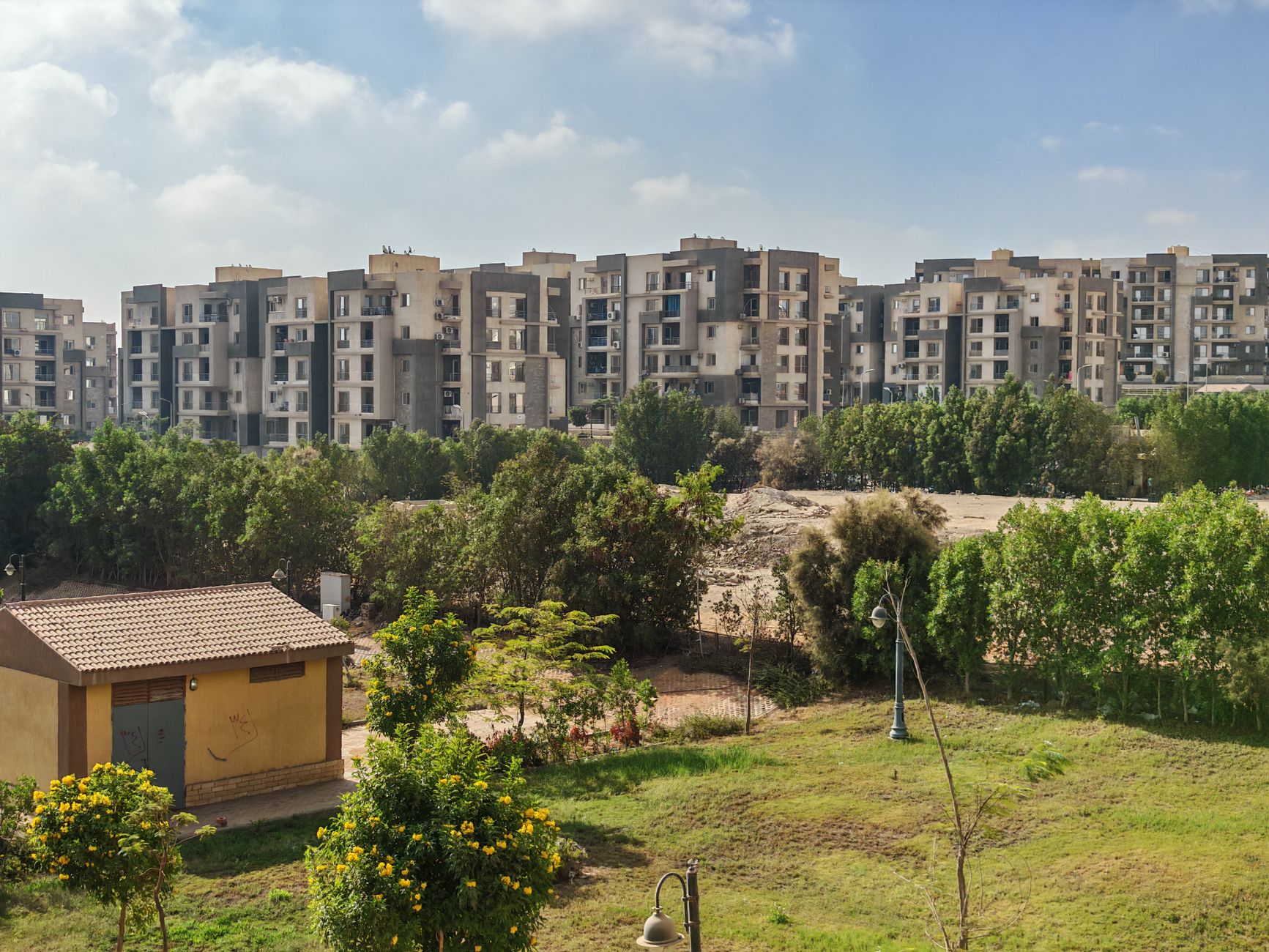
New Administrative Capital projects and October City developments promise lower entry prices (EGP 50,000–60,000 per sqm), but distance from employment hubs in Central Cairo or New Cairo creates a different affordability trap: longer commutes offset cheaper housing.
The rental-to-ownership pathway that once sustained Cairo's property ladder is fraying. Prospective buyers are squeezed between high rents that delay savings and landlords unwilling to let, while grant eligibility criteria remain stringent. Until Cairo's rental and financing ecosystems align—through clearer incentives for small landlords and streamlined buyer grants—first-time buyers will continue to drift, caught between a landlord exodus and a property ladder growing further out of reach.
This article was compiled by AI and screened before publishing. See our editorial standards.