Luxury Apartments Zamalek Cairo: New Developments
Explore how contemporary mixed-use projects are reshaping Zamalek's luxury residential market, attracting international investors and professionals seeking premium turnkey solutions.
Explore how contemporary mixed-use projects are reshaping Zamalek's luxury residential market, attracting international investors and professionals seeking premium turnkey solutions.
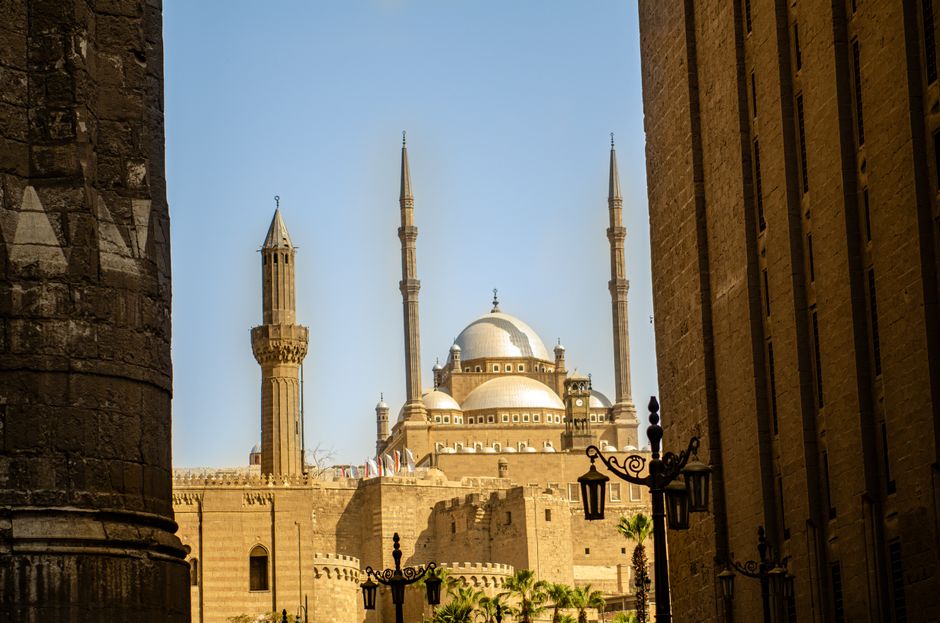
Zamalek has long held its crown as Cairo's most coveted address, where tree-lined streets and proximity to the Nile command prices well above the city's EGP 80,000 per square metre average. But the island's luxury market is entering a new phase, driven by contemporary mixed-use developments that are fundamentally altering neighbourhood character and investment calculus.
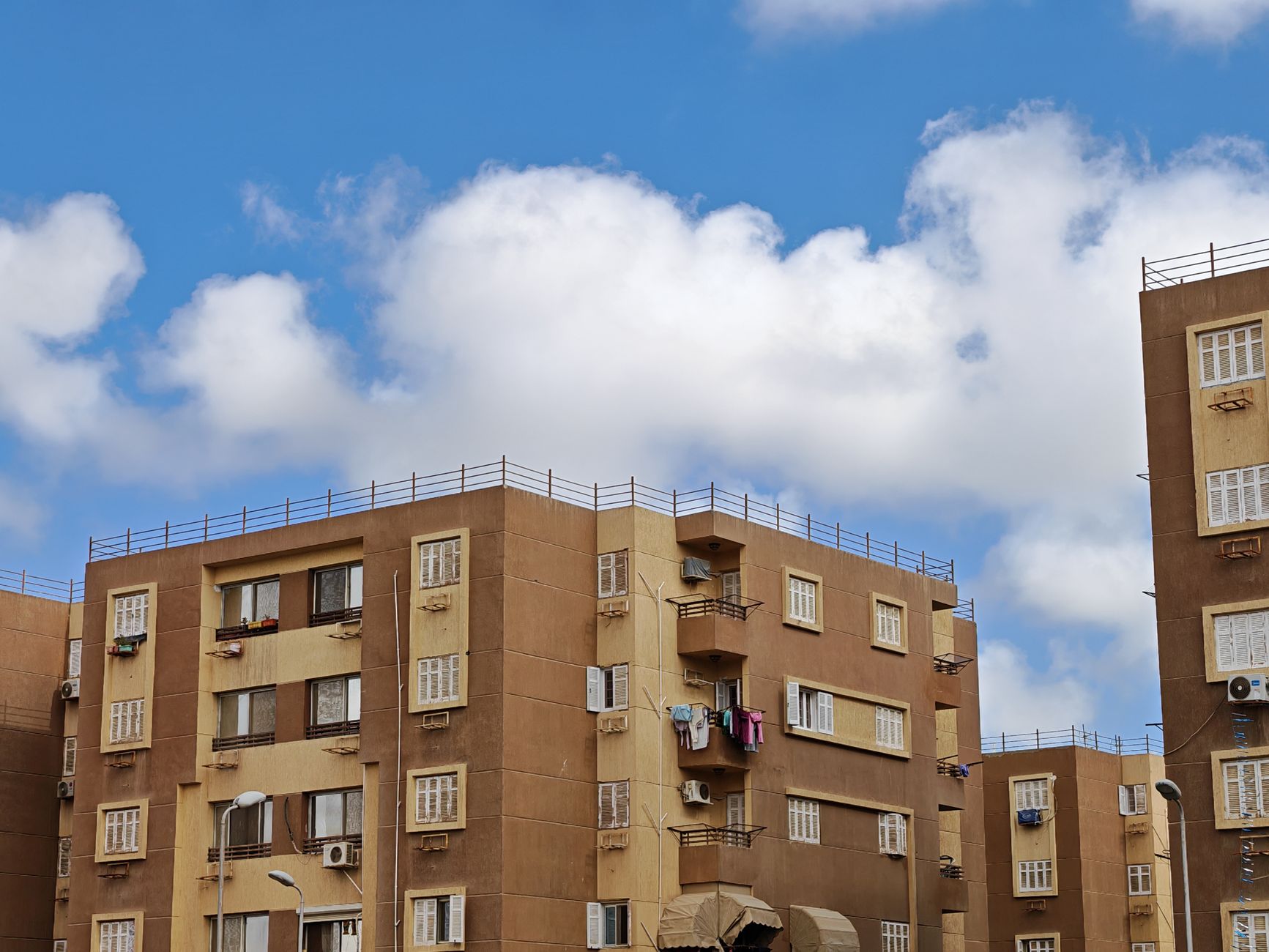
Recent projects clustered around the 26th of July Street corridor and near the Gezira Club district represent a marked departure from Zamalek's traditional villa-centric landscape. These developments—combining serviced apartments, boutique office spaces, and curated retail—are attracting a different buyer profile: younger, internationally mobile professionals and investors seeking turnkey solutions rather than renovation projects.
Pricing reflects this shift. While established villas in residential pockets near Sharia Hassan Assem still command EGP 150,000–180,000 per square metre, new luxury units in modern compounds are reaching EGP 200,000+, particularly those offering river views and integrated amenities. A completed 5-star residential tower completed in late 2025 achieved average unit prices exceeding EGP 210,000 per sqm—a 30 per cent premium over comparable Maadi offerings.
The implications ripple beyond price lists. Infrastructure pressure is mounting. Roads serving developments near the Zamalek Bridge and around Sharia Saray al-Gezira face congestion during peak hours, prompting discussions about traffic management between residents and Cairo Governorate planners. Simultaneously, these projects are funding public realm improvements: enhanced streetscaping, reinforced utilities, and better waste management systems that benefit the wider community.
For investors, the calculation has become more sophisticated. Rental yields on new developments—typically 4–5 per cent annually for premium units—attract Cairo-based portfolios seeking hard currency returns. But market saturation concerns loom. With New Cairo and October City offering comparable luxury at 15–20 per cent lower price points, Zamalek's developments must emphasise irreplaceable location advantages: island exclusivity, established social infrastructure, and proximity to diplomatic and business hubs.
The emerging New Administrative Capital hasn't yet dented Zamalek's allure, but it's created pressure to innovate. Developers are responding with lifestyle-focused positioning rather than pure real estate commodification. Fitness centres, co-working spaces, and resident-only cultural programming are now standard differentiators.
As 2026 progresses, the question isn't whether Zamalek remains elite—it does—but whether its newest incarnation will sustain that status as a living neighbourhood or evolve into a curated asset class for passive investors and absentee owners.
This article was compiled by AI and screened before publishing. See our editorial standards.
How does this story make you feel?
Spread the word
About this article
Published by The Daily Cairo
Daily brief
Free, in your inbox before 7am. Weekdays.
More in Property