Cairo Property Prices 2026: Investment Guide
New Administrative Capital migration and foreign investment reshape Cairo's market. Compare yields across Zamalek, New Cairo, October City—and learn where 15–20% growth is happening.
New Administrative Capital migration and foreign investment reshape Cairo's market. Compare yields across Zamalek, New Cairo, October City—and learn where 15–20% growth is happening.
Cairo's residential property market is moving at two speeds in mid-2026, and understanding which lane you're in could mean the difference between a solid 6–8% annual yield and a stalled asset.
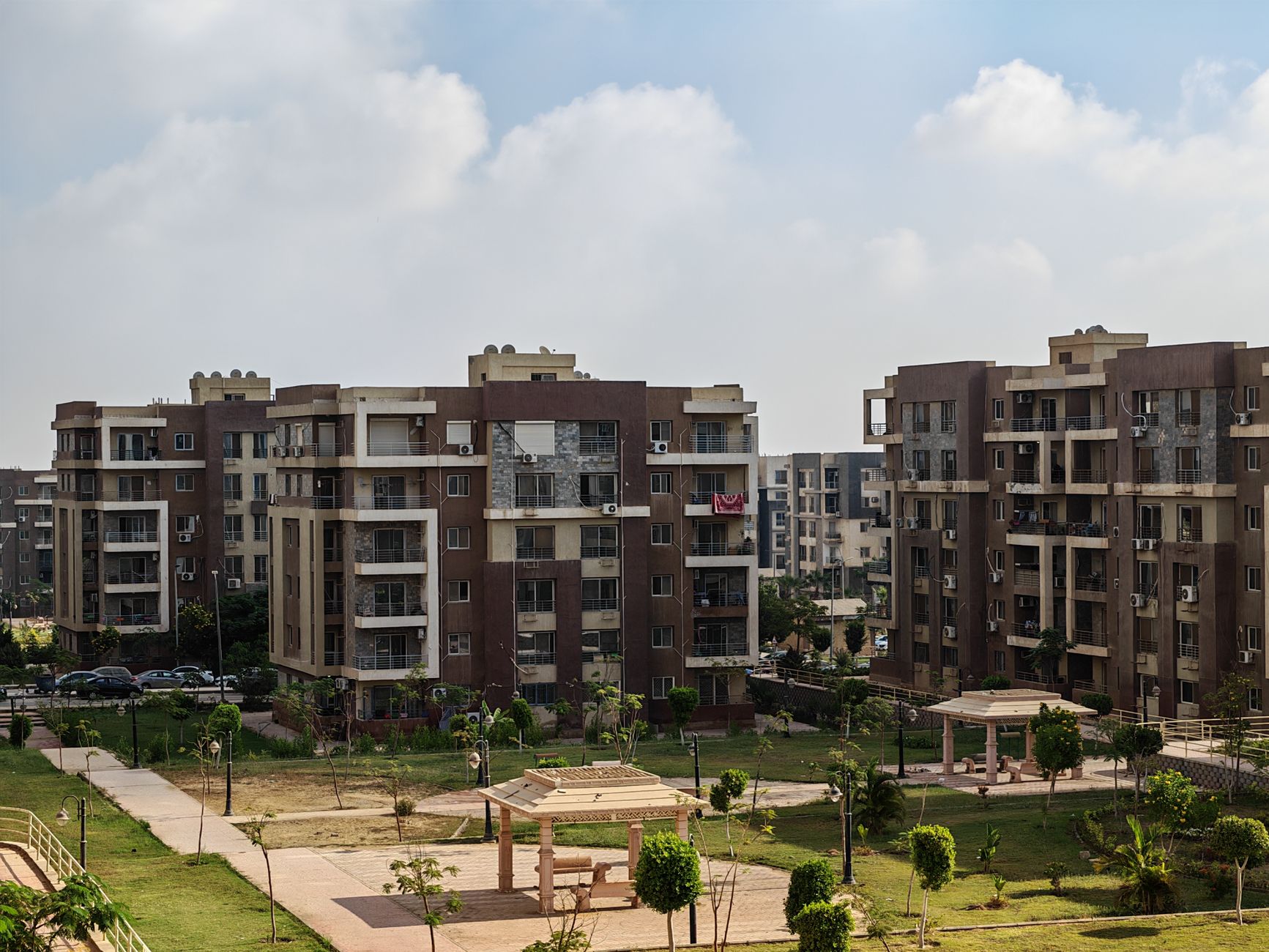
The macro forces reshaping the market are straightforward: the New Administrative Capital continues siphoning corporate headquarters and government workers eastward, while Zamalek, Maadi, and New Cairo remain magnets for expatriate tenants seeking stability. Meanwhile, middle-class Egyptian families are increasingly looking beyond central Cairo's saturation, driving prices in October City and Sheikh Zayed City upward by 15–20% year-on-year according to recent market assessments.
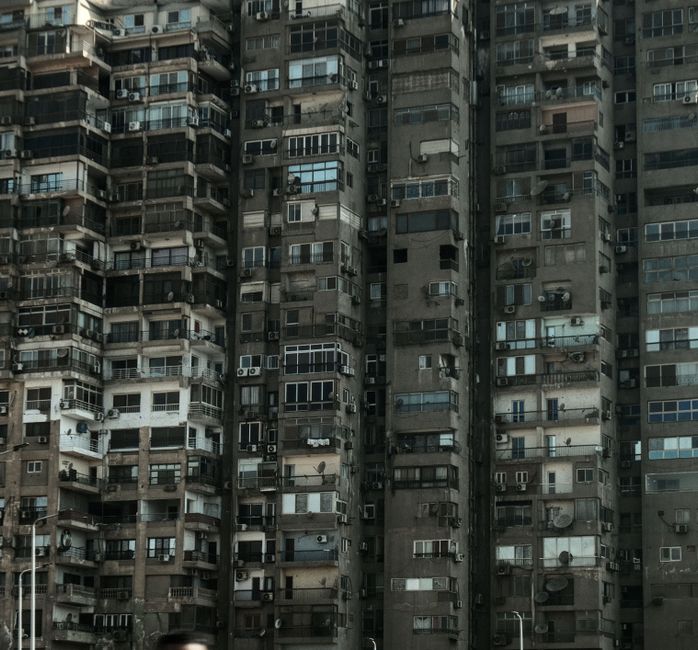
Average prices across greater Cairo hover around EGP 80,000 per square metre, but that figure masks dramatic regional variation. Zamalek luxury units now command EGP 150,000–200,000/sqm for waterfront or near-Gezira Club properties, while New Cairo's mixed-use developments along ring roads push EGP 120,000/sqm. Conversely, emerging areas like the New Administrative Capital's residential zones remain in the EGP 45,000–70,000 range, offering landlords higher cap rates but longer tenant sourcing timelines.
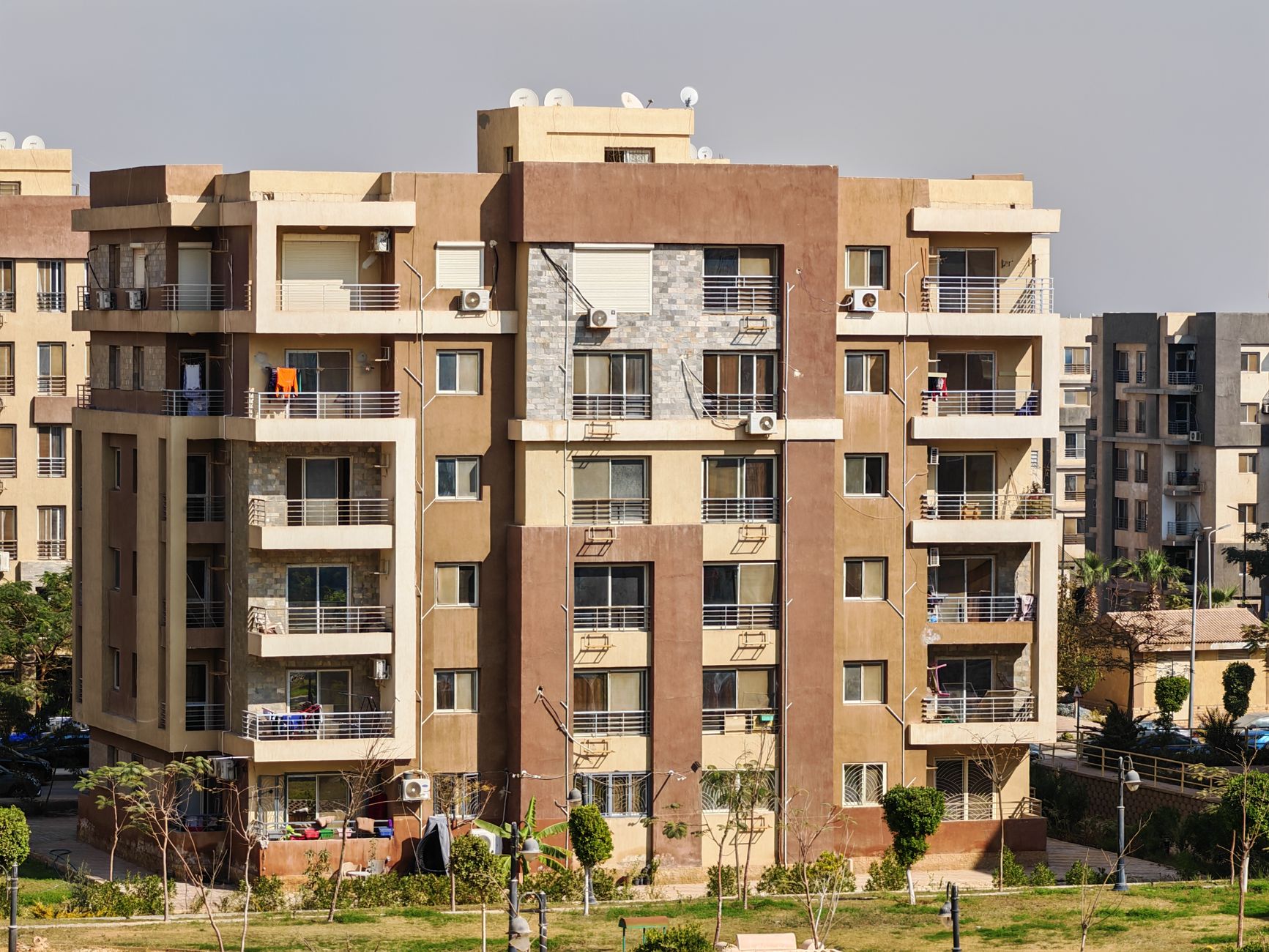
For investors eyeing genuine yield, the critical question is tenant profile. Maadi's tree-lined streets and proximity to American University remain reliable for expat families paying premium rents—typically EGP 8,000–15,000 monthly for two-bedroom apartments. These neighbourhoods offer stable 5–7% gross yields. October City developments, by contrast, attract young Egyptian professionals and growing families willing to pay EGP 4,000–7,000 rent; yields can reach 8–9% due to lower entry prices, but vacancy risk is higher during economic slowdowns.
What's driving prices now? Three factors dominate. First, limited quality supply in established expat enclaves means competition intensifies for scarce units. Second, currency fluctuations have made dollar-denominated rents more attractive to landlords holding EGP-denominated mortgages. Third, speculative buying by portfolio investors—often purchasing off-plan in new developments—is inflating prices ahead of actual occupancy data, a pattern visible in Heliopolis and Nasr City peripheries.
Savvy buyers should avoid the temptation to chase headline prices in nascent projects. Instead, prioritise neighbourhoods with demonstrated rental demand: Maadi for expats, New Cairo for mixed demographics, and October City for emerging yield. Verify tenant-to-unit ratios in your chosen complex, negotiate purchase prices below list (common in today's buyer-friendly conditions for completed units), and secure long-term tenants before closing—a simple safeguard many overlook.
The market isn't overheated everywhere. It's overheated *somewhere*, and disciplined investors know the difference.
This article was compiled by AI and screened before publishing. See our editorial standards.
How does this story make you feel?
Spread the word
About this article
Published by The Daily Cairo
Daily brief
Free, in your inbox before 7am. Weekdays.
More in Property