Cairo Rental Investment Yields: What Auction Data Reveals
New Cairo and Maadi property prices signal yield compression. Auction clearance rates and transaction data show what savvy investors need to know about Cairo's shifting rental market.
New Cairo and Maadi property prices signal yield compression. Auction clearance rates and transaction data show what savvy investors need to know about Cairo's shifting rental market.
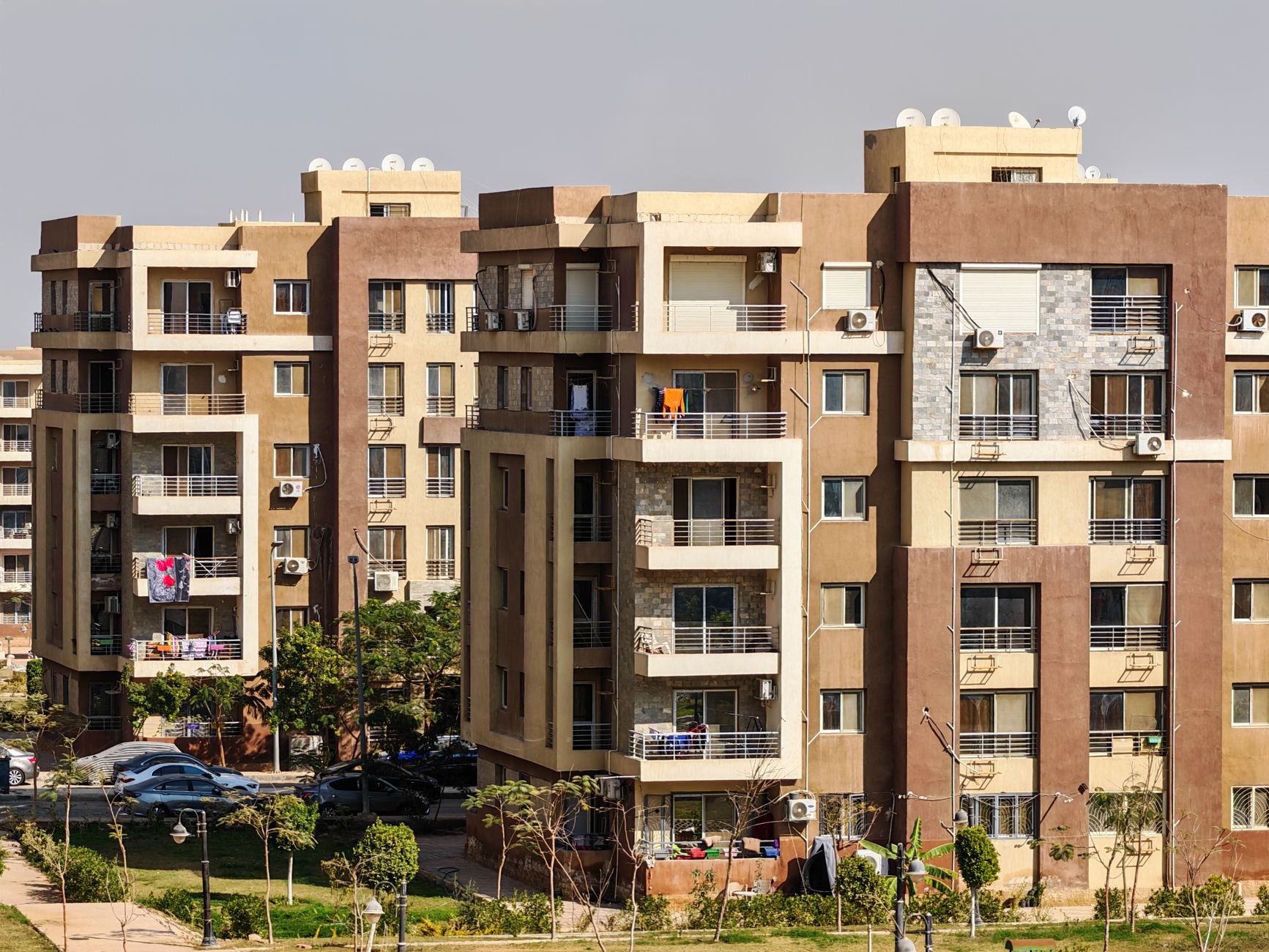
Cairo's rental investment landscape is sending mixed but decipherable signals. Across premium neighbourhoods—Maadi's leafy boulevards, New Cairo's gated compounds, and Zamalek's island exclusivity—recent auction clearance data and secondary market turnover paint a picture of yield compression meeting selective demand.
The headline figure: Cairo's average property price sits around EGP 80,000 per square metre, but auctions across central districts have seen clearance rates dip below historical norms. This signals hesitation among both buyers and landlords. In New Cairo and October City, where premium developments command EGP 150,000–250,000 per sqm, transaction velocity has slowed noticeably. Apartments that would have moved within weeks six months ago now languish on market boards for 8–12 weeks.
For yield-focused investors, this slowdown isn't catastrophic—it's instructive. Clearance data reveals that properties priced aggressively above EGP 100,000 per sqm are facing buyer resistance, particularly in secondary locations along Autostrad El Zamalek or the Maadi-Heliopolis corridor. Meanwhile, inventory in established rental strongholds—mid-range compounds in October City, garden apartments in Maadi near Degla, furnished units near the American University in Cairo—continues moving, albeit at margins that compress returns.
What does this mean for landlords? First: the premium rental market (targeting expats in Zamalek and upscale New Cairo) remains resilient but selective. Furnished three-bedroom apartments in Zamalek still command EGP 4,000–6,000 monthly, translating to gross yields of 4–5 per cent—respectable in the current environment. Second: the middle market is where pressure builds. A two-bedroom in New Cairo's Al Noor City fetching EGP 2.5 million three years ago now attracts offers of EGP 2.1–2.2 million, squeezing both capital appreciation and rental basis.
Auction results from the past quarter reinforce a flight to quality and location specificity. Properties on high-traffic avenues (Nile Corniche, Qasr Al Aini in Maadi) clear faster than identical units one street back. This tells investors: microlocations matter more than ever. A unit with a balcony overlooking Maadi's waterfront or positioned near the Zamalek Hotel district commands rental premiums that offset slower appreciation.
The emerging Administrative Capital adds another layer. As corporate leasing demand fragments between downtown Cairo and the New Capital, traditional rental anchors—proximity to embassies, universities, and established business zones—have strengthened. Landlords banking on pure appreciation in secondary compounds face a tougher road than those optimising for stable, middle-market rentals in proven neighbourhoods.
The signal from data is clear: yields tighten, but smart positioning—location, finish standard, and tenant profile—remains the differentiator.
This article was compiled by AI and screened before publishing. See our editorial standards.
How does this story make you feel?
Spread the word
About this article
Published by The Daily Cairo
Daily brief
Free, in your inbox before 7am. Weekdays.
More in Property