First-Time Landlords' Playbook: Navigating Cairo's Investment Property Market
With rental yields ranging from 4–6% across prime neighbourhoods, here's how newcomers can build wealth through property investment without costly missteps.
With rental yields ranging from 4–6% across prime neighbourhoods, here's how newcomers can build wealth through property investment without costly missteps.
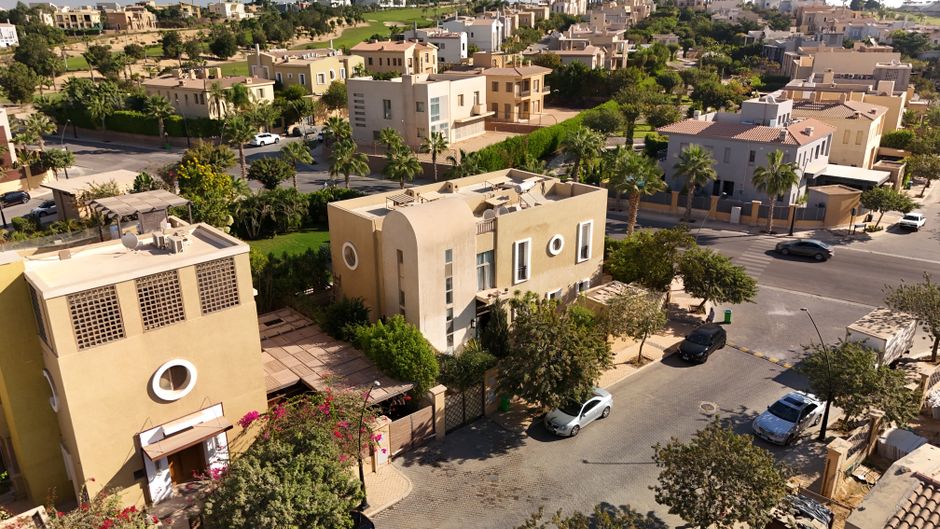
Cairo's property market has matured considerably over the past five years, attracting serious investors alongside owner-occupiers. For first-time buyers eyeing rental income, understanding yield mechanics and local market dynamics is essential—particularly as average prices hover around EGP 80,000 per square metre citywide, with significant variance depending on neighbourhood choice.
The golden rule: calculate your net yield before committing capital. Gross yield (annual rental income divided by property price) typically ranges from 4–6% across established areas like Maadi, Heliopolis, and Zamalek. However, deduct maintenance costs, property management fees (typically 5–8% of rent), insurance, and potential vacancy periods. A property generating EGP 2,000 monthly on a EGP 400,000 investment looks attractive at 6% gross—but nets closer to 3.5% after expenses. This gap catches many newcomers off guard.
Location strategy matters enormously. New Cairo and October City command premium prices but attract younger professionals and families seeking modern amenities and security. Zamalek remains the expat enclave of choice, supporting higher rents and occupancy rates, though entry prices exceed EGP 150,000 per sqm. Maadi offers middle ground: established infrastructure, proximity to Downtown and Garden City, and reliable tenant demand without the capital intensity of island living. Less obvious opportunities exist along Gezira Street and around the American University in Cairo—areas with sustained professional rental demand but lower acquisition costs than adjacent luxury zones.
Due diligence is non-negotiable. Verify property documentation through the Real Estate Registration Authority; many disputes stem from unclear ownership histories. Ensure utilities are properly registered—electricity and water issues create tenant problems and hidden costs. If buying through an agent, cross-reference with independent property surveyors; the modest fee prevents expensive surprises.
Tax awareness separates profitable investors from those facing unexpected liabilities. Rental income is taxable in Egypt, and foreign investors face additional considerations. Consult a local accountant familiar with property investment before purchase, not after.
Consider management partnerships carefully. Self-managing saves fees but demands time and local knowledge. Professional property managers—increasingly available through formal agencies rather than informal arrangements—handle tenant screening, maintenance coordination, and dispute resolution. Their fees seem high until a problem tenant occupies your property rent-free for months during eviction proceedings.
Finally, avoid over-leveraging. Cairo's property market rewards patience. A modest, well-chosen purchase in a stable neighbourhood will outperform an aggressive multi-property strategy funded largely on credit when interest rates or tenant demand shift. Start with one investment property, master the mechanics, then scale strategically. The investors building genuine wealth in Cairo aren't rushing—they're learning.
This article was compiled by AI and screened before publishing. See our editorial standards.
How does this story make you feel?
Spread the word
About this article
Published by The Daily Cairo
Daily brief
Free, in your inbox before 7am. Weekdays.
More in Property