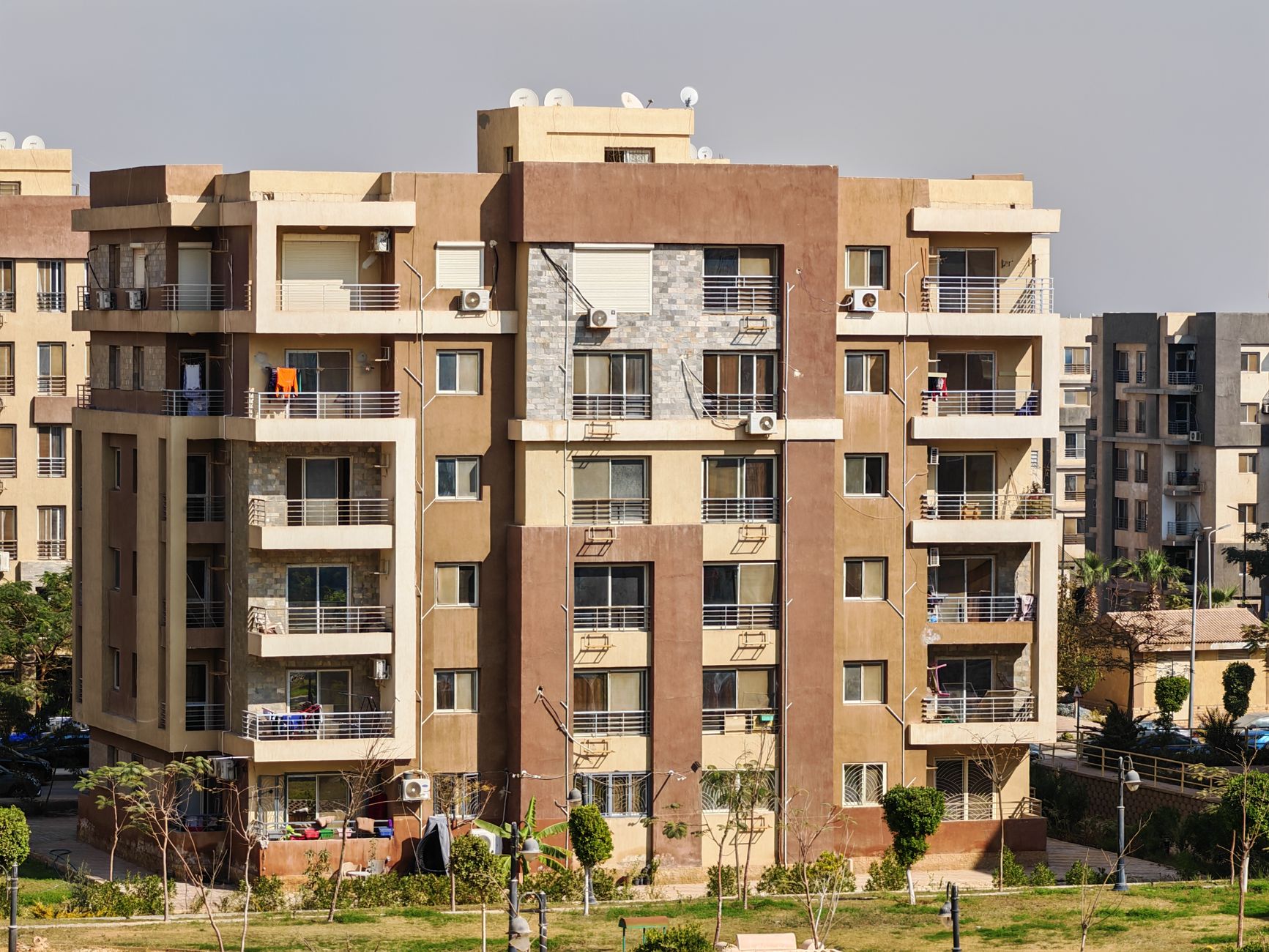
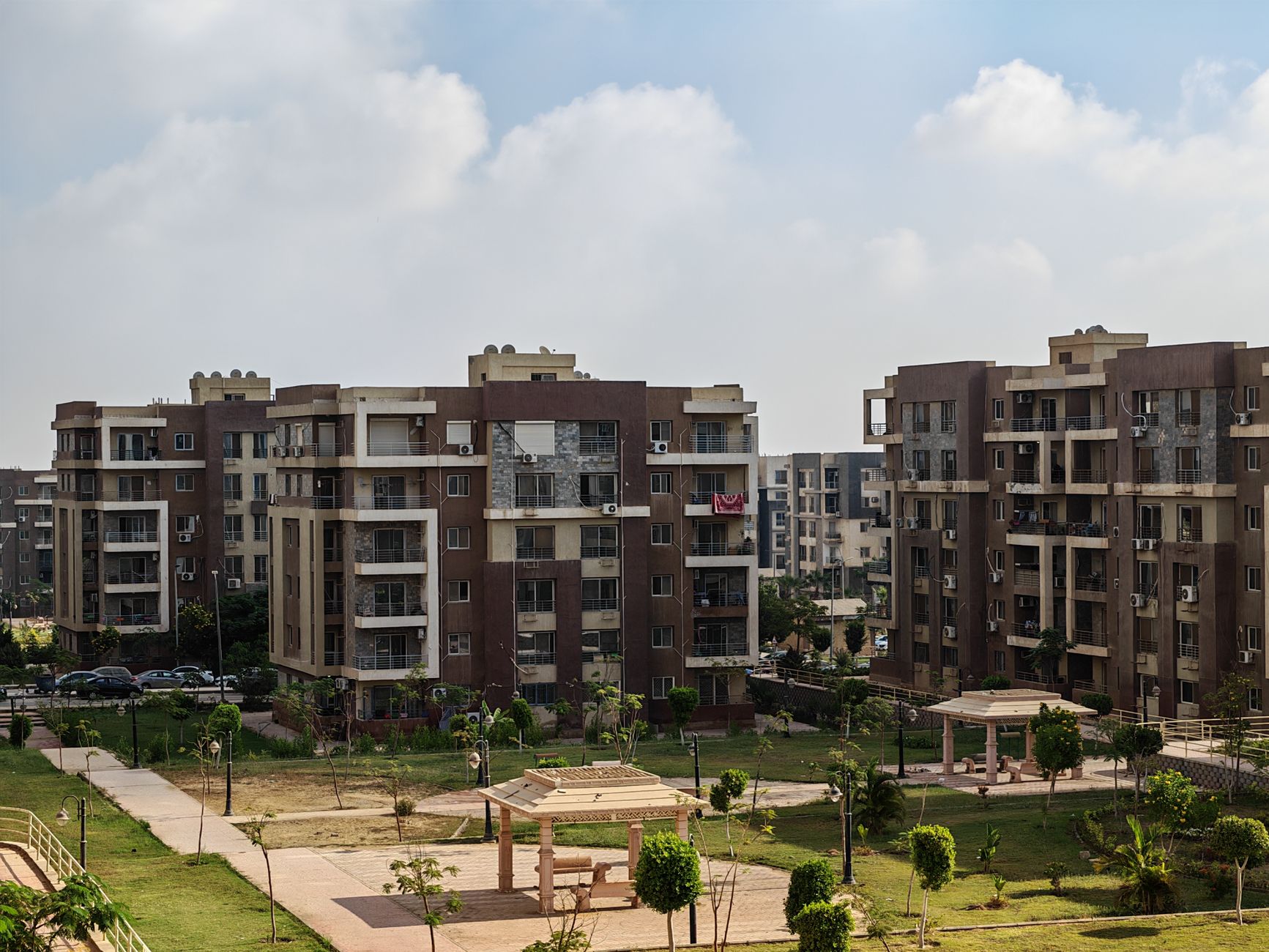
Cairo's property development landscape is undergoing its most significant regulatory shift in five years. The General Organization for Physical Planning (GOPP) introduced revised construction approval protocols in March 2026, establishing mandatory 90-day review cycles for all new residential projects above 5,000 square metres and imposing height caps of 15 storeys in established neighbourhoods like Zamalek and Dokki—down from the previous 20-storey threshold.
The changes are already rippling through the market. Developers who once pursued high-density projects in central Cairo are redirecting capital toward the New Administrative Capital and October City, where approval processes remain streamlined and height restrictions are more permissive. Real estate consultants report that land prices in New Cairo have climbed 12 per cent since April, while central district properties—particularly along the Nile Corniche and around Tahrir Square—have seen slower transaction momentum.
"The policy wasn't designed to cool the market," says a spokesperson for the Developers Association of Egypt. "It was meant to ensure infrastructure keeps pace with construction. But the immediate effect is a geographic shift in investment." Residential units in October City's prime corridors near the Ring Road now command EGP 85,000–90,000 per square metre, narrowing the historic premium gap with established neighbourhoods.
The regulatory overhaul also introduces new environmental impact assessments for projects exceeding 10,000 square metres, a requirement that has extended timelines for several major schemes in Maadi and Garden City. Developers estimate additional compliance costs of 3–5 per cent per project, expenses often passed to end-buyers.
Some argue the policy is reshaping Cairo's urban footprint strategically. The GOPP's emphasis on satellite zones aims to reduce strain on aging infrastructure in central districts, where water systems and sewage networks already operate near capacity. The shift mirrors similar decentralisation patterns seen in major emerging markets, where regulatory pressure redirects development away from congested cores.
For buyers, the timeline matters. Central Cairo properties—particularly in premium Zamalek enclaves—may appreciate more slowly in the short term, but their scarcity could prove advantageous long-term. Meanwhile, October City and New Cairo offer faster supply growth and more competitive pricing, attracting younger buyers and investors seeking immediate rental yields.
The question now is whether these policies will stabilise or stall Cairo's property momentum. Market analysts will watch Q3 approval data closely; if GOPP maintains its 90-day cycle rigorously, expect sustained developer interest in outer zones and a recalibration of central Cairo's market premium by year-end.
This article was compiled by AI and screened before publishing. See our editorial standards.