Cairo's property market has long operated in tiers. While penthouses in Zamalek command seven figures and New Cairo villas hover around the EGP 80,000 per square metre benchmark, the middle-income majority has been squeezed into an ever-narrowing corridor. But a shift is underway.
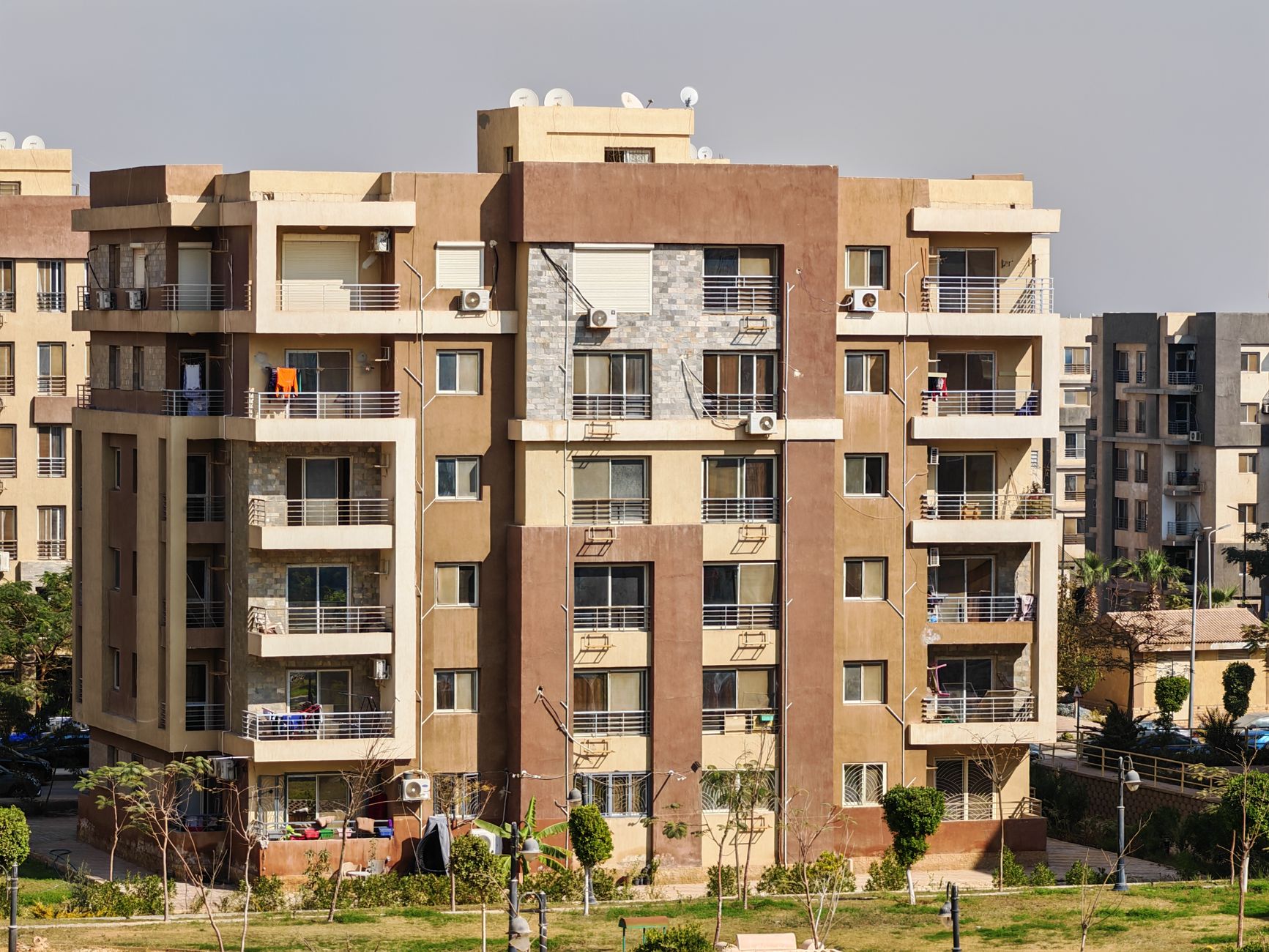
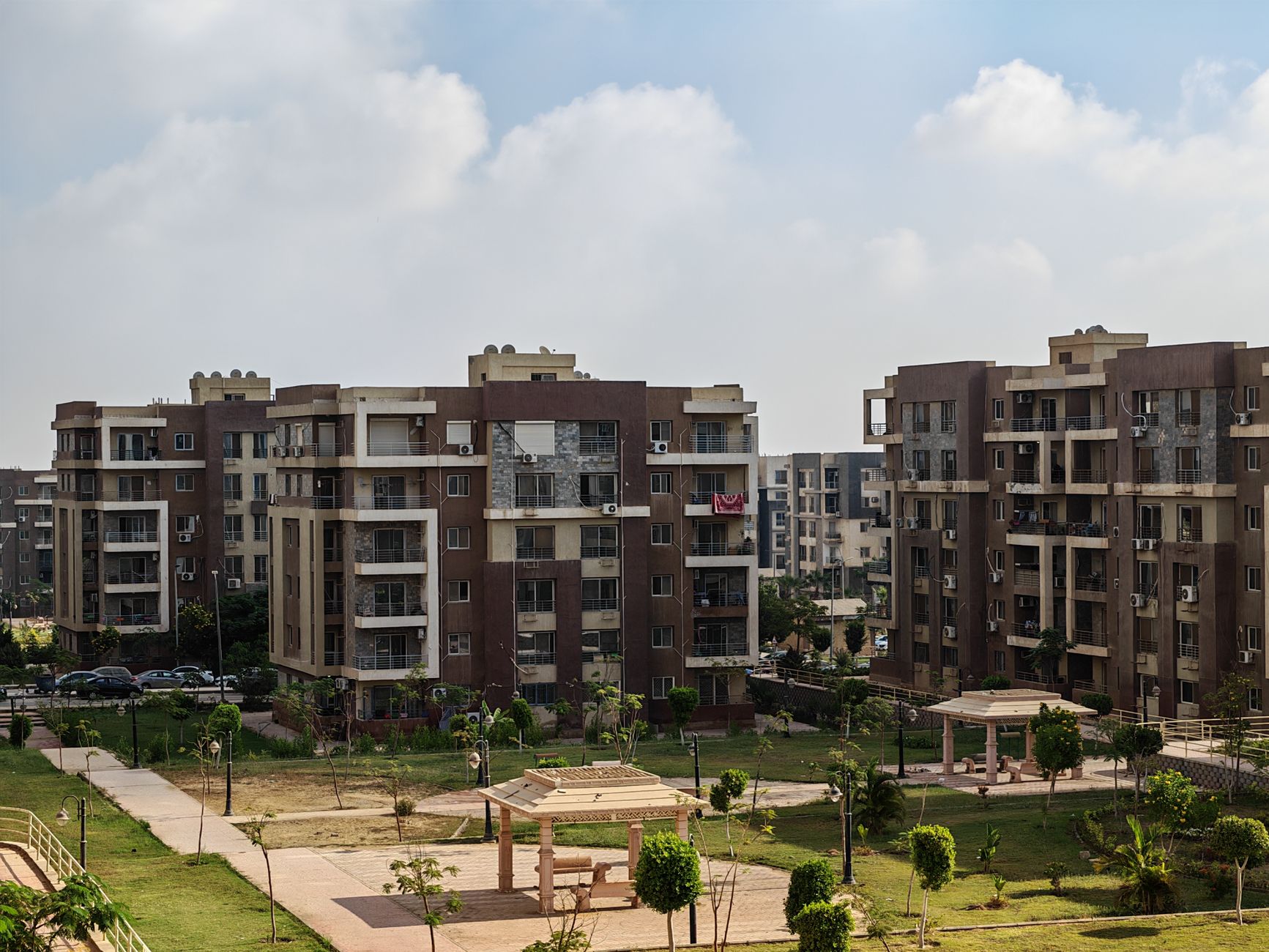
Recent government-backed social housing initiatives, particularly the sprawling developments emerging in 15th of May City and the expanding Sheikh Zayed district, are beginning to address what has become Cairo's most pressing residential crisis. These aren't luxury projects; they're designed for families earning between EGP 3,000 and EGP 8,000 monthly—the segment that has watched homeownership slip further away over the past decade.
The 15th of May City expansion, which has accelerated dramatically since 2024, now encompasses over 45,000 units across multiple phases. Prices in the area have stabilised around EGP 18,000 to EGP 25,000 per square metre for completed units—a far cry from central Cairo's inflated valuations, yet within reach of emerging professionals and young families. The neighbourhood's improving infrastructure, including extended metro connections and the recent completion of retail hubs near the Carnival Mall area, has added genuine livability beyond affordability metrics.
Sheikh Zayed, traditionally an expat and upper-middle-class enclave, is witnessing a parallel democratisation. New micro-developments targeting the middle market are rising alongside established luxury compounds, creating unexpected economic diversity. The average price point here has edged toward EGP 35,000 per square metre—premium by affordable housing standards, but increasingly accessible through longer mortgage terms now offered by Egyptian banks.
What distinguishes these projects from earlier social housing attempts is integration. Rather than isolated bedroom communities, developers are embedding commercial zones, educational facilities, and transport links from inception. The Zamalek Island model—where proximity to Downtown Cairo and Gezira Island creates organic walkability—is being replicated, albeit at different price points.
The psychological shift matters equally. For decades, first-time buyers outside the affluent Maadi enclave or foreign-friendly Zamalek faced a false choice: accept cramped, aging apartments in Heliopolis or overextend financially. These new projects offer a third path.
Challenges remain—financing accessibility, infrastructure overload as populations swell, and ensuring quality construction standards. Yet for the thousands of Cairo families currently priced out of homeownership, these developments represent something rarer than a luxury penthouse: genuine options. The question now is whether policy-makers can sustain this momentum while preventing the gentrification cycles that historically erase affordability gains.
This article was compiled by AI and screened before publishing. See our editorial standards.