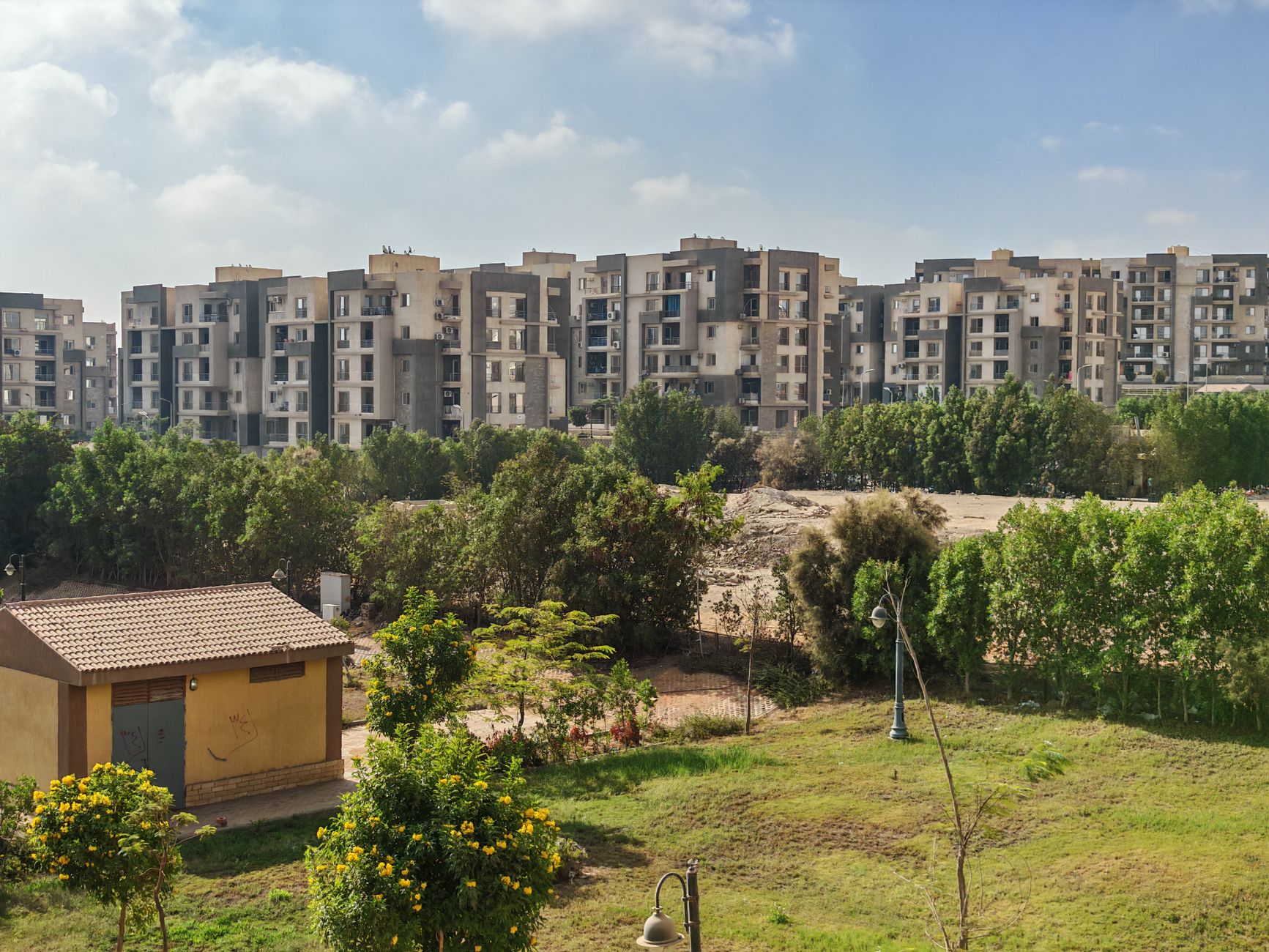
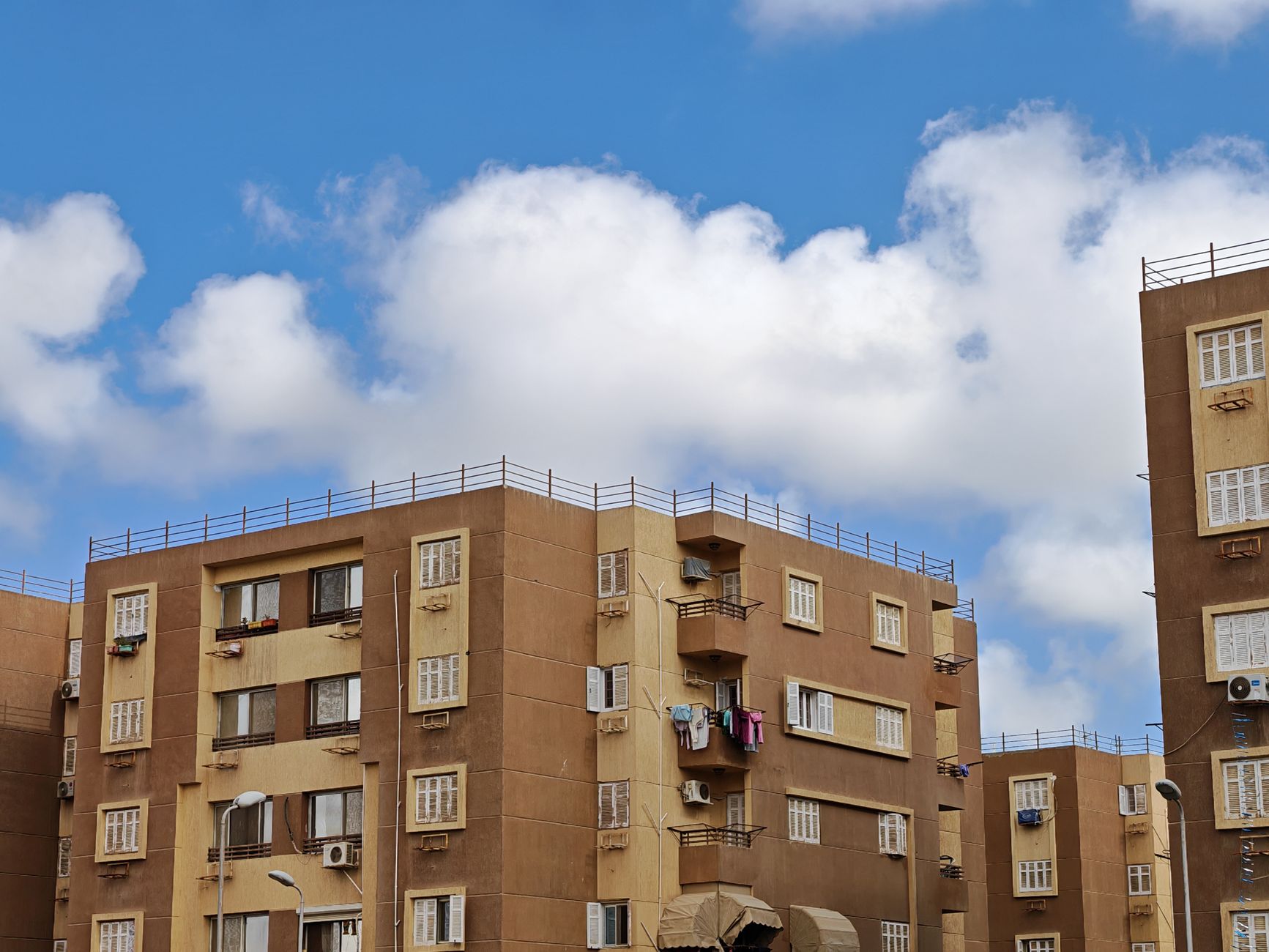
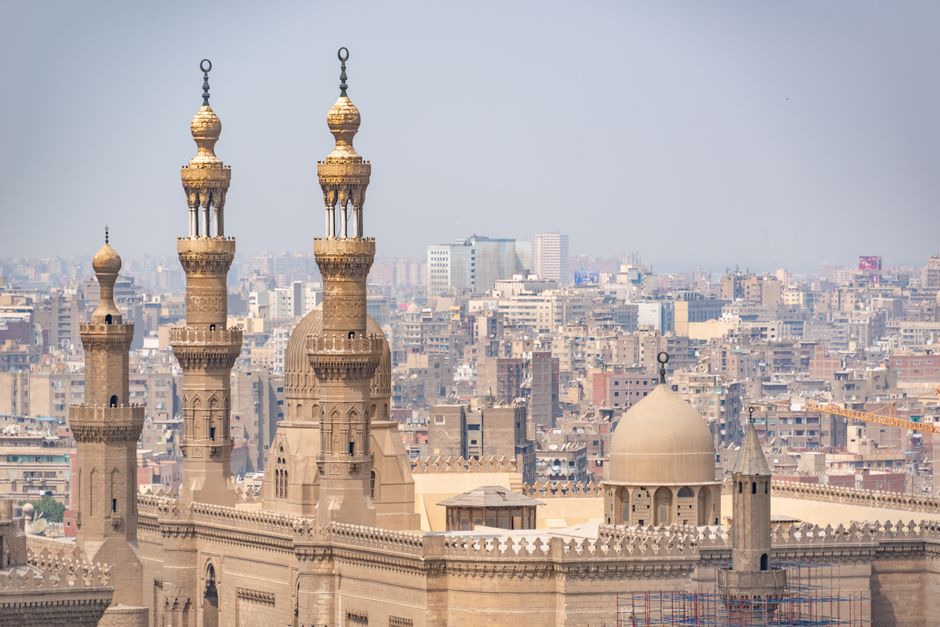
Cairo's rental market is experiencing profound strain as new residential construction accelerates across satellite cities, creating a complex dynamic that favours neither landlords nor tenants—at least not equally.
The approval pipeline remains robust. October City continues absorbing mid-range residential projects, with compounds now averaging EGP 1,200–1,500 per square metre for rental units. Meanwhile, the New Administrative Capital has attracted institutional investment at scale, drawing premium-segment demand away from traditional Cairo neighbourhoods like Maadi and Zamalek, where rental yields have compressed to single digits.
For landlords, the mathematics has become punishing. A Zamalek penthouse generating EGP 15,000 monthly five years ago now commands EGP 12,500—a 17 per cent decline in nominal terms. Property owners accustomed to high occupancy rates now face 3–4 month vacancy periods, particularly in older buildings along Sharia el-Nile lacking modern amenities. Insurance costs, property tax obligations introduced under recent regulatory frameworks, and maintenance expenses remain fixed, eating into already-compressed returns. Smaller investors in Garden City and Downtown have begun converting units to short-term holiday rentals or leaving properties empty, betting on future capital appreciation rather than rental income.
Tenants, conversely, enjoy unprecedented negotiating leverage—yet face new complications. Competition from newly completed compounds with integrated services (gyms, security, waste management) has forced traditional landlords to modernise or lower rents. A three-bedroom apartment in New Cairo that rented for EGP 6,000 monthly in 2024 now lists at EGP 5,200, reflecting this pressure. However, young professionals and families relocating to the New Administrative Capital face substantially higher absolute rents despite nominal reductions elsewhere, as institutional landlords control much of the new supply.
Regulatory approvals themselves have become a double-edged sword. The Real Estate Regulatory Authority's faster permitting process has flooded the market with supply, but also introduced standardised lease terms and stricter documentation requirements—benefiting transparent operators while squeezing informal arrangements.
Market observers suggest the pressure will intensify through 2027. As new compounds mature across October City and Shorouk City, migration away from central Cairo will likely accelerate, hollowing out demand in heritage neighbourhoods. Landlords holding older stock face a choice: invest in upgrades or accept lower rents and longer vacancies. Meanwhile, tenants should expect rental stability rather than continued declines—particularly once the New Administrative Capital reaches critical mass and institutional players capture 40 per cent of Cairo's total rental stock.
The paradox is clear: more supply is making the market harder for everyone.
This article was compiled by AI and screened before publishing. See our editorial standards.