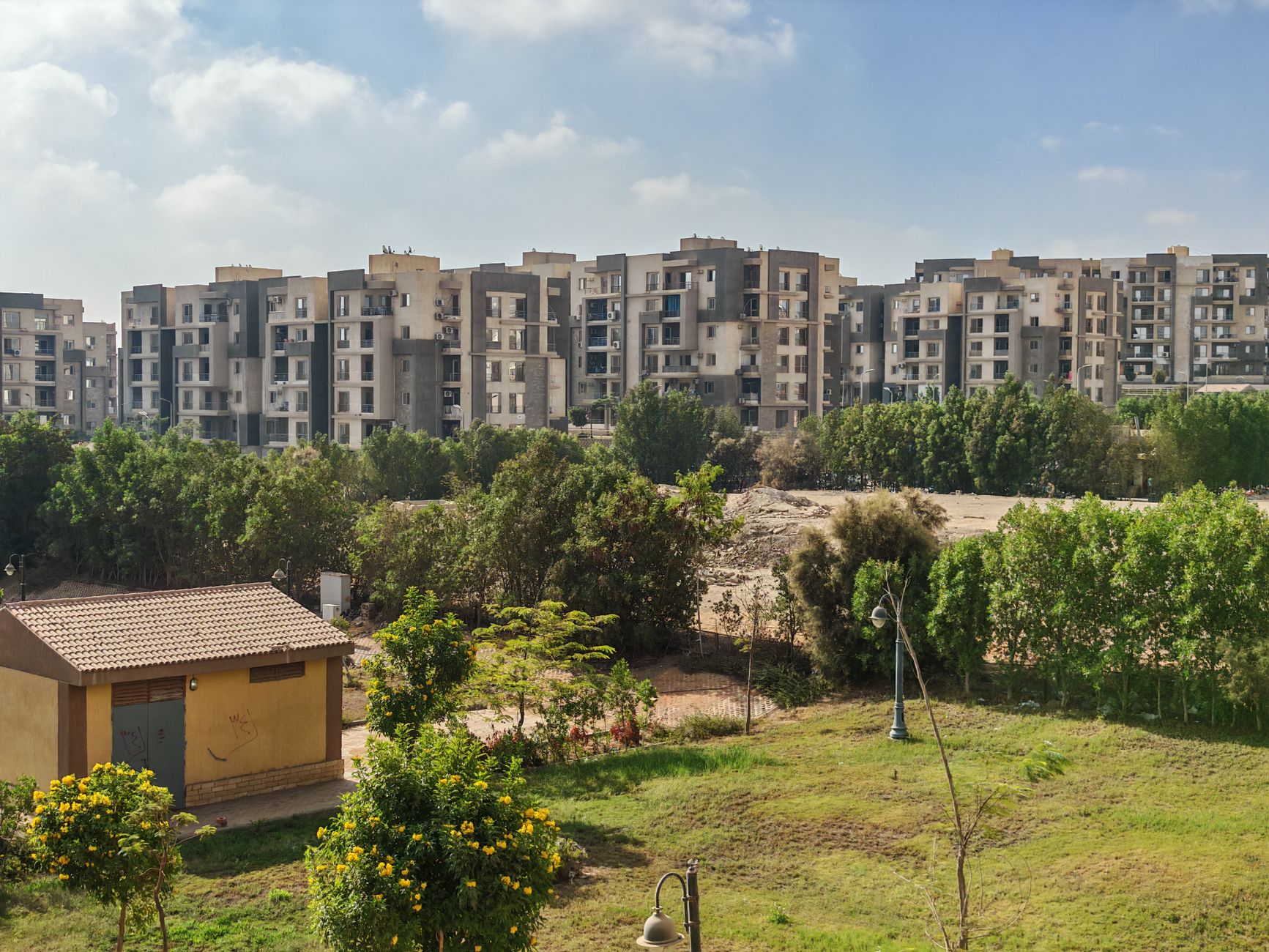
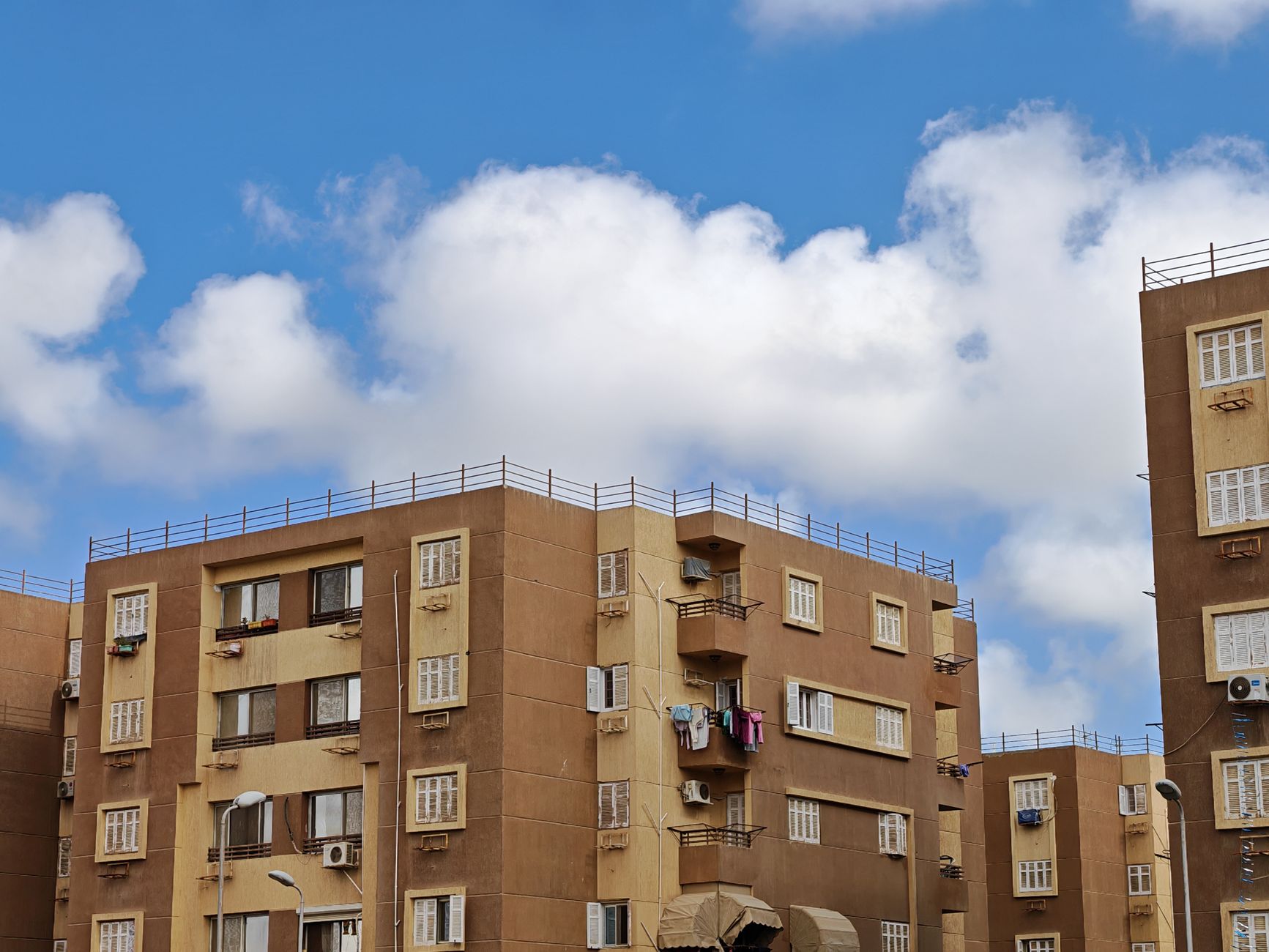
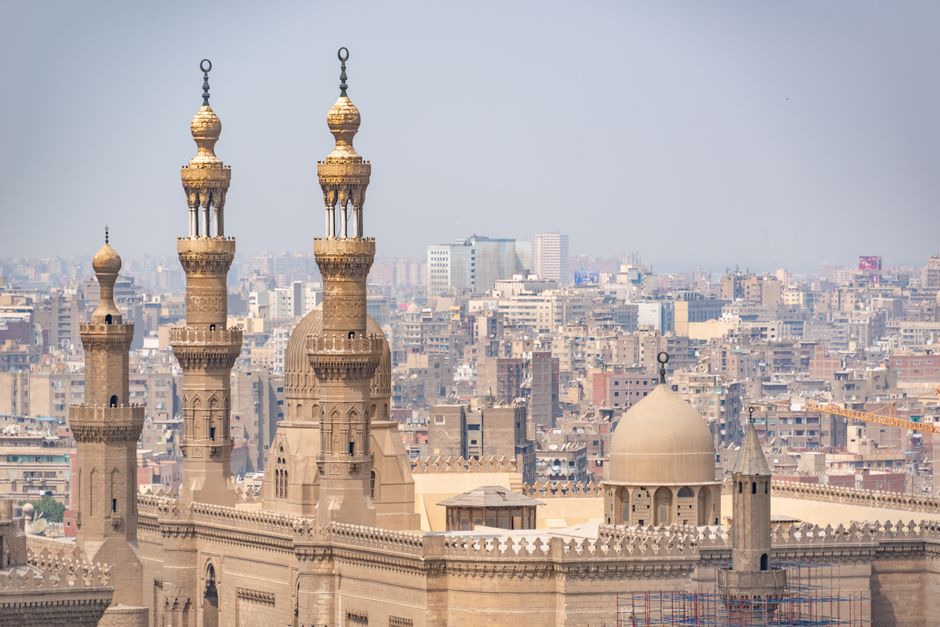
Cairo's affordable housing market is at a turning point. While prime addresses in Zamalek and New Cairo command premium multiples, the real story lies in the middle tier—where first-time buyers and young families are discovering that entry-level properties have become anything but affordable.
The headline figures tell part of the story. At EGP 80,000 per square meter citywide, Cairo's average masks a sharper squeeze in neighbourhoods that were once accessible: Helwan, parts of Nasr City, and the fringe areas around Maadi are now seeing 15–22% annual appreciation. Simultaneously, government-backed social housing schemes, once the safety valve for lower-income purchasers, have slowed to a trickle since 2024, leaving demand unmet.
Three forces are driving this compression. First, infrastructure. New developments increasingly require developer investment in roads, utilities, and security before any unit is sold—costs that filter directly into prices. The New Administrative Capital pull has also redirected premium capital away from central Cairo, forcing developers in established areas like Dokki and Agouza to compete harder on finish quality and amenities, inflating base costs.
Second, regulatory uncertainty. Changes to mortgage lending rules and property registration protocols—introduced piecemeal over eighteen months—have created a two-tier market. Buyers with access to formal financing face fewer hurdles; cash-only purchasers, still the majority in informal settlements and mid-range districts, face higher effective prices due to black-market currency spreads and title verification delays.
Third, land scarcity. Undeveloped plots within 15 kilometres of Downtown Cairo are vanishing. October City and New Cairo absorbed much of the 2010s overflow; now, developers are eyeing satellite communities like 6th of October City extensions and emerging zones near the Ring Road. Travel time and infrastructure immaturity mean these command discounts, but commuter-friendly locations are already pricing in future appreciation.
What should buyers know? Location arbitrage is shrinking. The EGP 50,000–65,000 per square meter sweet spot—once found across Heliopolis and Maadi periphery—now requires 20–30 minute commutes or incomplete infrastructure. Established walkable neighbourhoods like Zamalek and Garden City remain out of reach for most first-timers, but micro-locations in revitalized pockets of Giza and Helwan are emerging as realistic targets. Pre-completion purchases in certified developments offer savings of 10–15%, though regulatory risk remains.
Institutional buyers—state pension funds and real estate investment firms—are increasingly active in mid-market segments, further compressing supply. For ordinary Cairenes, the lesson is stark: affordable housing now requires accepting location trade-offs or timing new project launches precisely. The window for traditional Cairo living at middle-class prices is narrowing fast.
This article was compiled by AI and screened before publishing. See our editorial standards.