What Cairo's Auction Block Is Really Telling Us About Housing Affordability
Falling clearance rates and shifting price signals from court auctions reveal a market recalibrating—and ordinary buyers may finally catch a break.
Falling clearance rates and shifting price signals from court auctions reveal a market recalibrating—and ordinary buyers may finally catch a break.
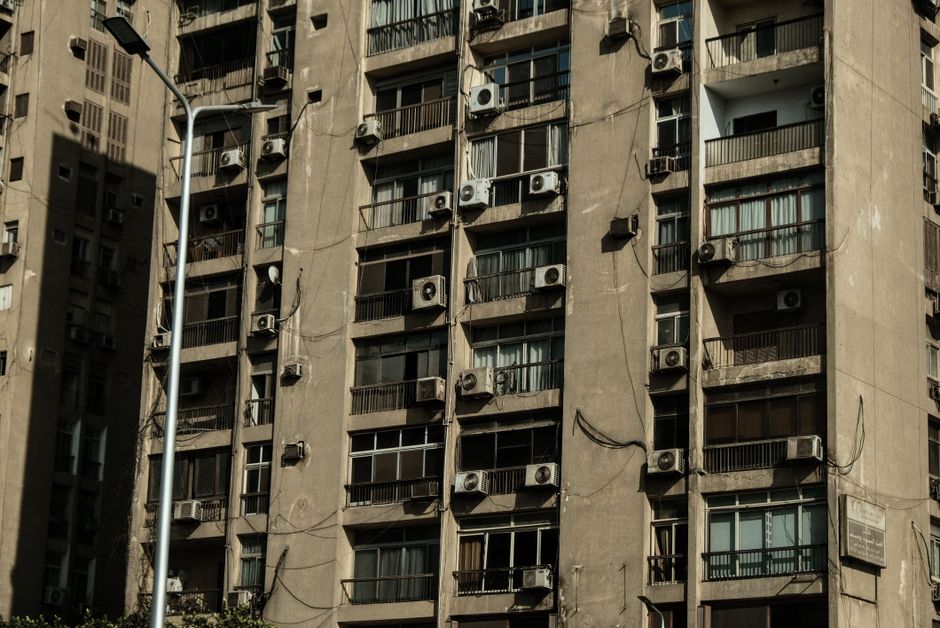
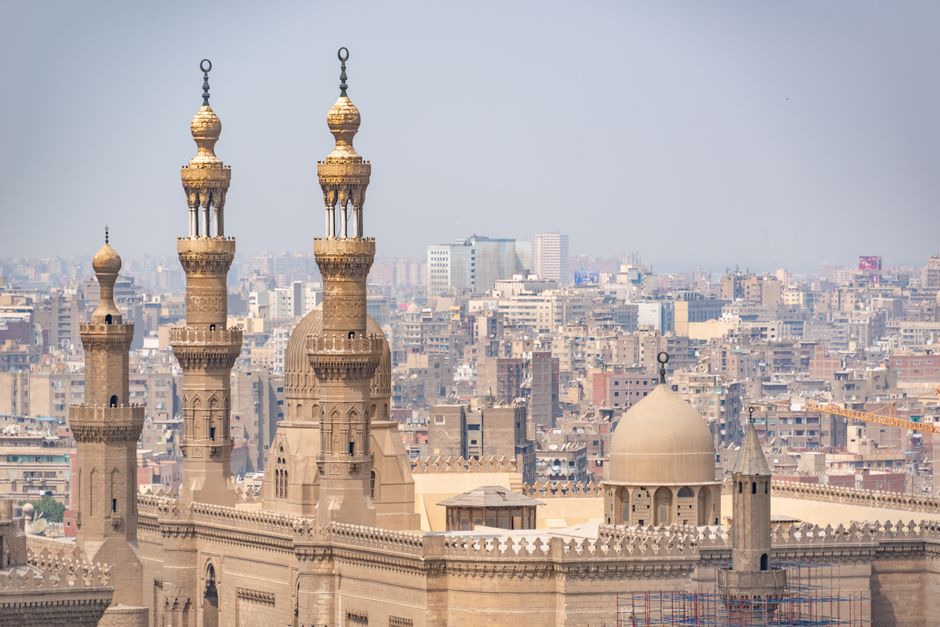
For years, Cairo's property market has moved like a slow-motion stampede: relentless upward pressure on prices, steady demand from investors and wealthy expats, and limited supply keeping affordability out of reach for middle-income Egyptians. But recent auction data suggests the rhythm is changing.
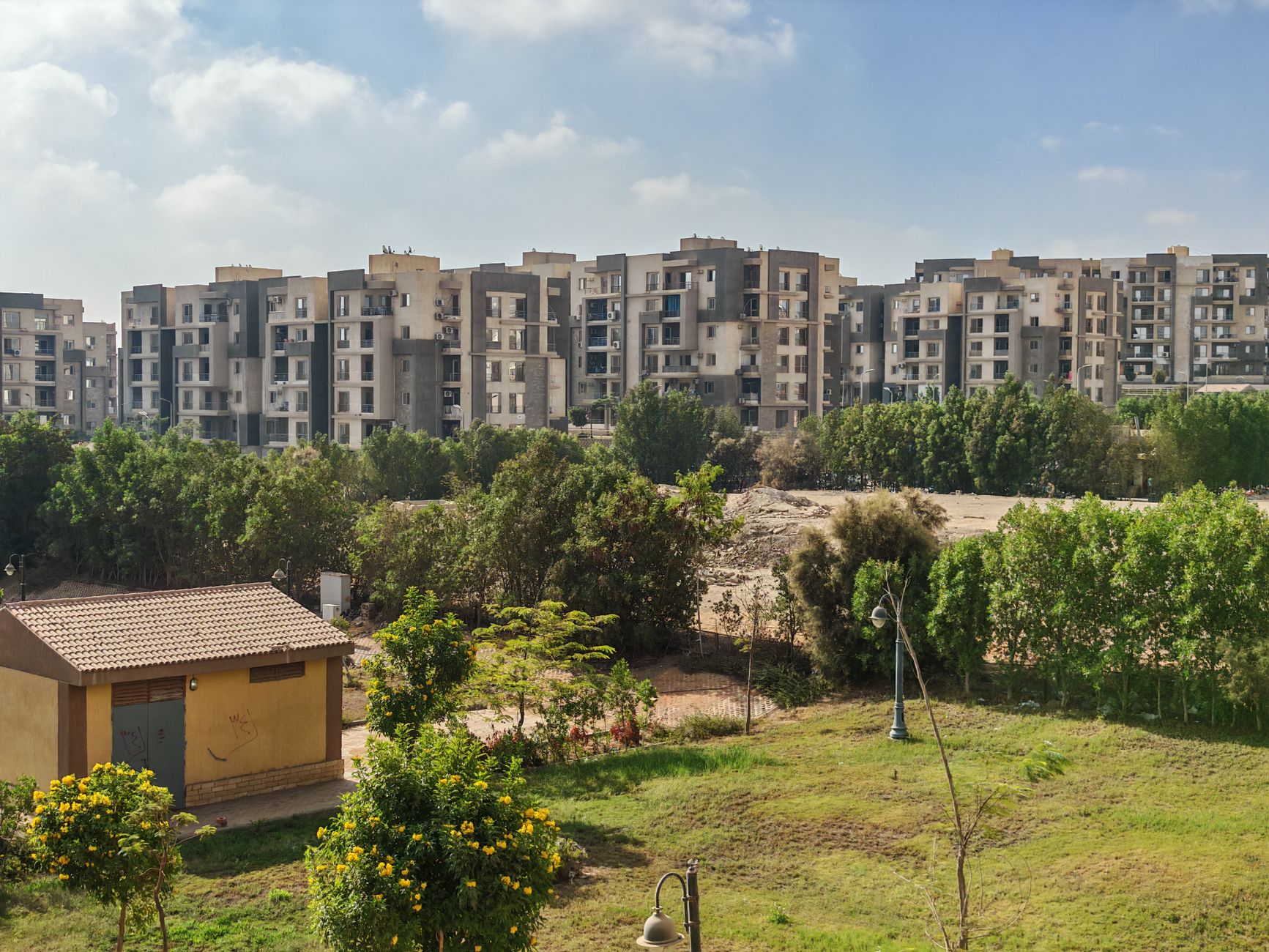
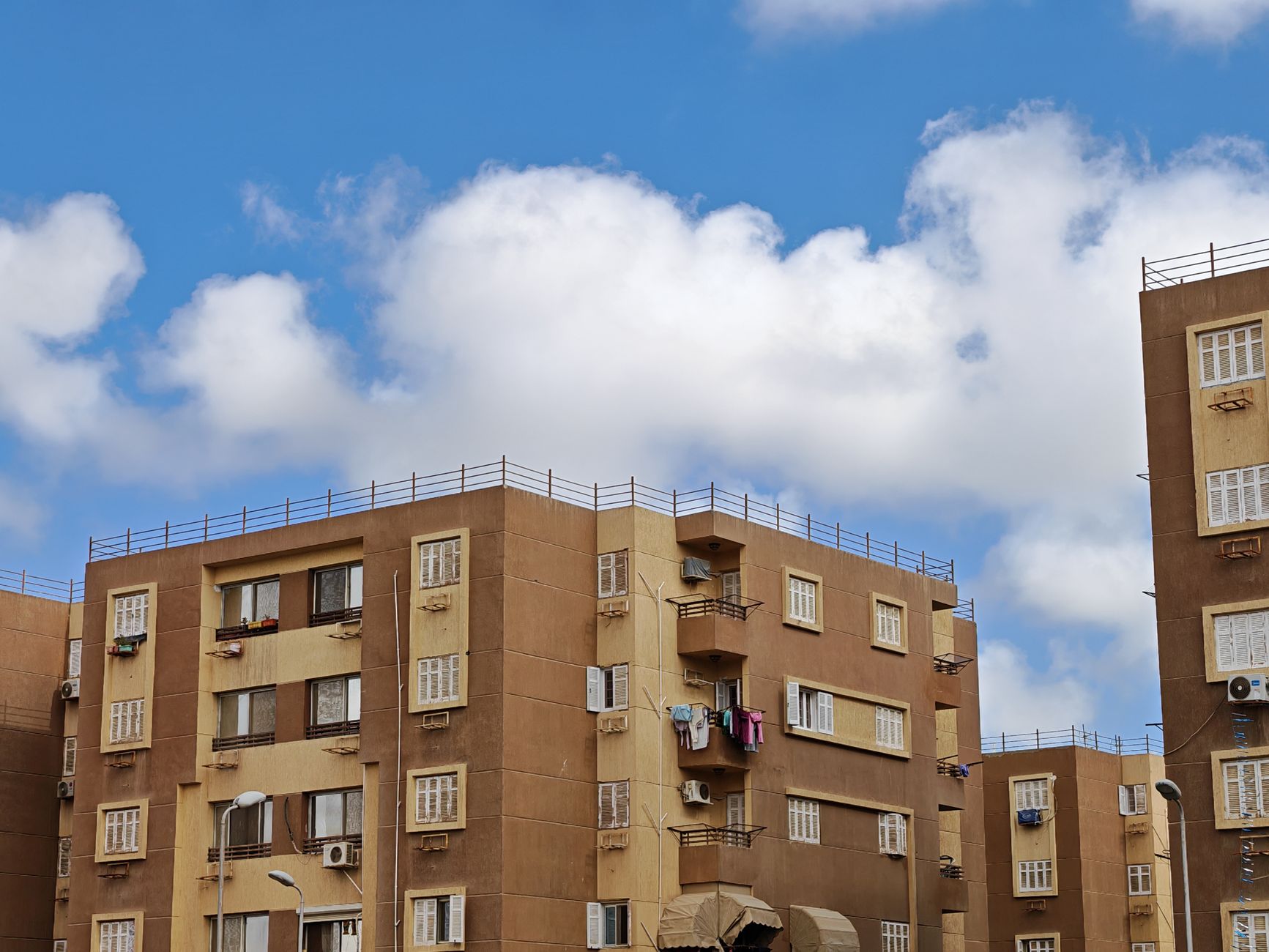
The signal came through court auctions earlier this month, where clearance rates hit their lowest point in three years. While some premium properties in Zamalek and the New Administrative Capital still commanded steep reserve prices—often exceeding EGP 150,000 per square metre—an increasing number of mid-range residential units failed to meet their opening bids. In New Cairo and October City, where the market has long been frothy, auction results show vendors reluctant to accept offers 10–15% below asking price, a flexibility unthinkable 18 months ago.
The headline figure—Cairo's average of EGP 80,000 per square metre—masks critical regional divergence. Maadi, the perennial expat enclave, remains relatively resilient, with waterfront properties near the Nile Corniche still trading above EGP 120,000/sqm. But venture into less fashionable quarters along Helwan Road or towards 6th of October City, and prices have softened noticeably. Rental yields, too, are compressing: landlords offering longer lease terms and fit-outs as sweeteners suggests tenant demand is no longer insatiable.
What's driving this shift? Mortgage rates have climbed incrementally despite Egypt's broader inflation trajectory, while supply has finally begun matching speculative demand in satellite cities. The New Administrative Capital's emerging neighbourhoods—Sheikh Zayed and Badr City most visibly—have absorbed spillover investment that might previously have concentrated in central Cairo.
For first-time buyers and young families, the signal is mixed. Auction results indicate negotiating room has returned; a property that might have sold for asking price two years ago now attracts competing bids only when priced 5–8% below reserve. Yet transaction costs and the still-steep entry point mean homeownership remains elusive for most wage earners. Rent-to-price ratios in popular neighbourhoods favour renting indefinitely.
The real story lies not in headline averages but in the widening divergence between prime assets—which remain scarce and command premium rates—and secondary stock, where elasticity is finally returning. For policymakers watching affordability metrics, that distinction matters. It suggests Cairo's market is maturing from a speculator's paradise into something resembling a functioning housing system, where price discovery actually means something again.
This article was compiled by AI and screened before publishing. See our editorial standards.
How does this story make you feel?
Spread the word
About this article
Published by The Daily Cairo
Daily brief
Free, in your inbox before 7am. Weekdays.
More in Property