Why Investors Are Betting Big on Sheikh Zayed City's Booming Rental Market
With vacancy rates tumbling and tenant demand surging, the sprawling suburb west of the Ring Road has become Cairo's most compelling rental play.
With vacancy rates tumbling and tenant demand surging, the sprawling suburb west of the Ring Road has become Cairo's most compelling rental play.
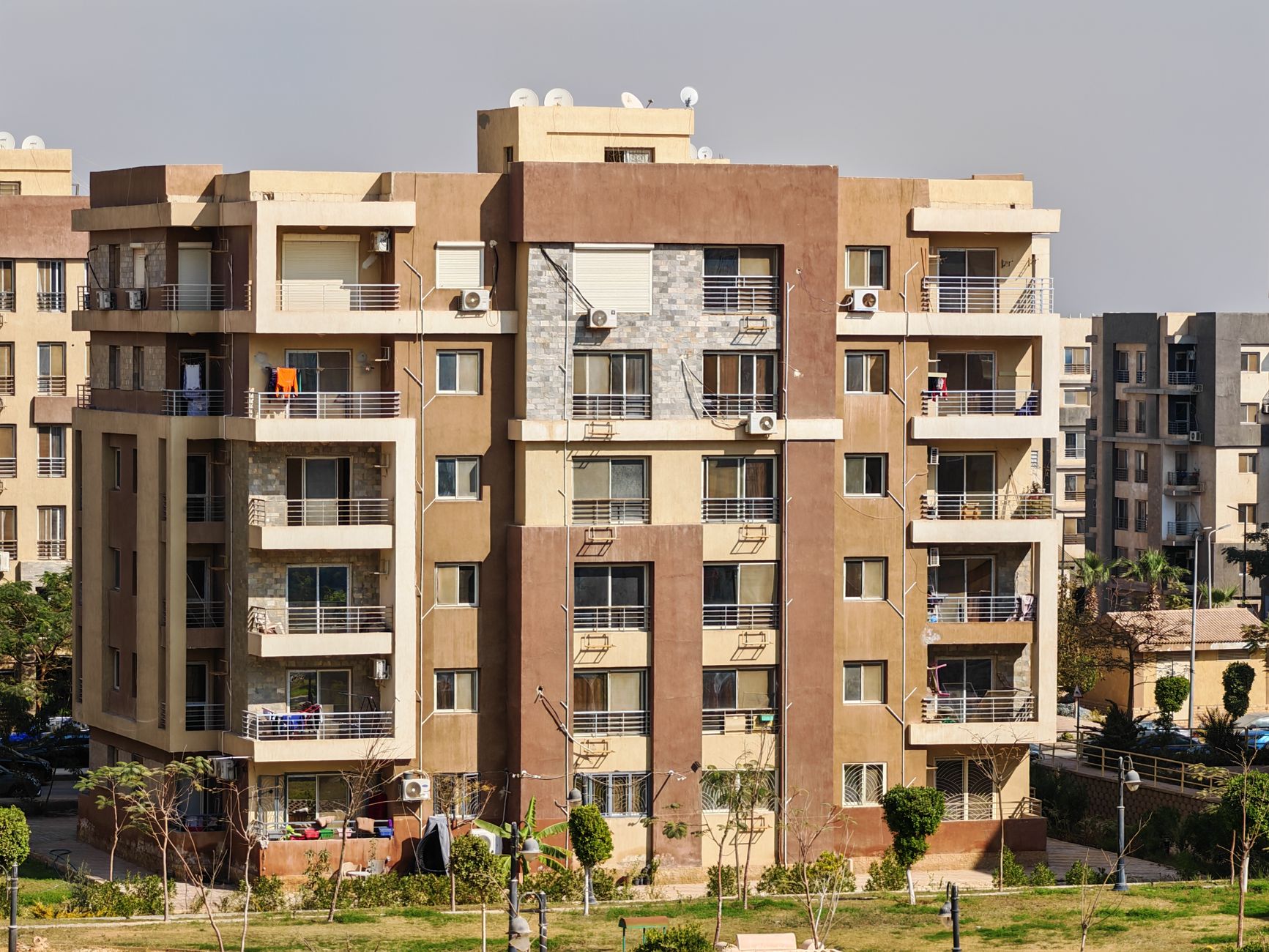
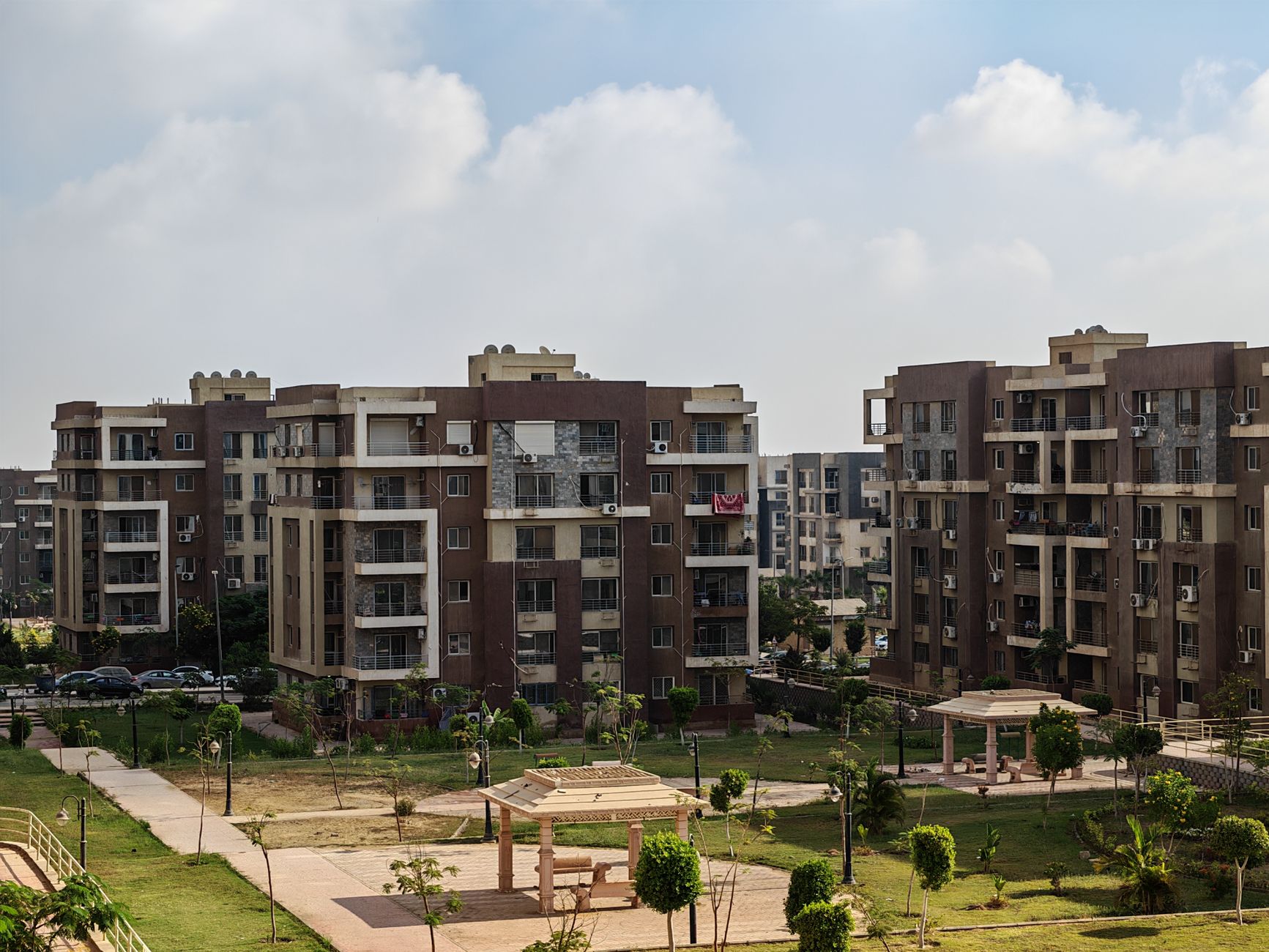
Sheikh Zayed City has quietly emerged as Cairo's unexpected rental hotspot, attracting both institutional investors and individual property buyers seeking stable yields in a market where vacancy rates have become the new battleground.
The figures tell the story. While central Cairo neighbourhoods like Zamalek and Heliopolis report vacancy rates hovering between 8–12%, Sheikh Zayed has pulled back to just 4.5% across its residential stock—the lowest among western Cairo's major developments. Average rents have climbed from EGP 650 per square metre annually three years ago to EGP 920 today, a 41% appreciation that reflects genuine tenant demand rather than speculative pricing.
The shift reflects demographic and logistical realities. Young professionals working at the malls and corporate parks dotting the Giza Plateau increasingly prefer Sheikh Zayed's proximity to employment over the longer commutes from traditional enclaves like New Cairo or October City. The suburb's proximity to Future University, relative affordability compared to Zamalek's EGP 150k+ per square metre, and new metro connectivity plans have all fuelled the momentum.
Property managers tracking the market report strong occupancy across mixed-use developments near Palm Hills and Dyar Compounds, where 2-bedroom units now command EGP 4,500–5,200 monthly. Studios, particularly around the commercial strips near Sheikh Zayed Road itself, rent at EGP 2,800–3,200—undercutting comparable Maadi stock by roughly 15%.
The tenant profile has shifted too. Where Sheikh Zayed once attracted primarily families and construction workers, it now draws a broader cohort: young couples, remote workers, and expatriate professionals from Middle East offices seeking lower rents than Zamalek's luxury enclaves. Several serviced apartment operators have recently opened on Ahmed Orabi Street, signalling confidence in mid-range business tourism.
Investment advisors caution that the story isn't frictionless. Infrastructure gaps persist—water pressure remains inconsistent in some compounds, and the road network still struggles during peak hours. Rent controls under Egypt's new housing regulations could eventually cap yields, though enforcement remains patchy outside formal developments.
Still, for investors comfortable with a 4–6 year hold and 6–8% annual returns, Sheikh Zayed's combination of low vacancy, rising rents, and demographic tailwinds presents a rare sweet spot in Cairo's fractured property landscape. The real test will come once proposed metro lines materialise: if connectivity improves as planned, today's prices may look prescient.
This article was compiled by AI and screened before publishing. See our editorial standards.
How does this story make you feel?
Spread the word
About this article
Published by The Daily Cairo
Daily brief
Free, in your inbox before 7am. Weekdays.
More in Property