Politics
Cairo Prioritizes 3 Growth Areas: Jobs, Services, Infrastructure
Recent adjustments in Cairo’s planning policy aim to enhance employment opportunities and improve essential services for residents.
How we reported this
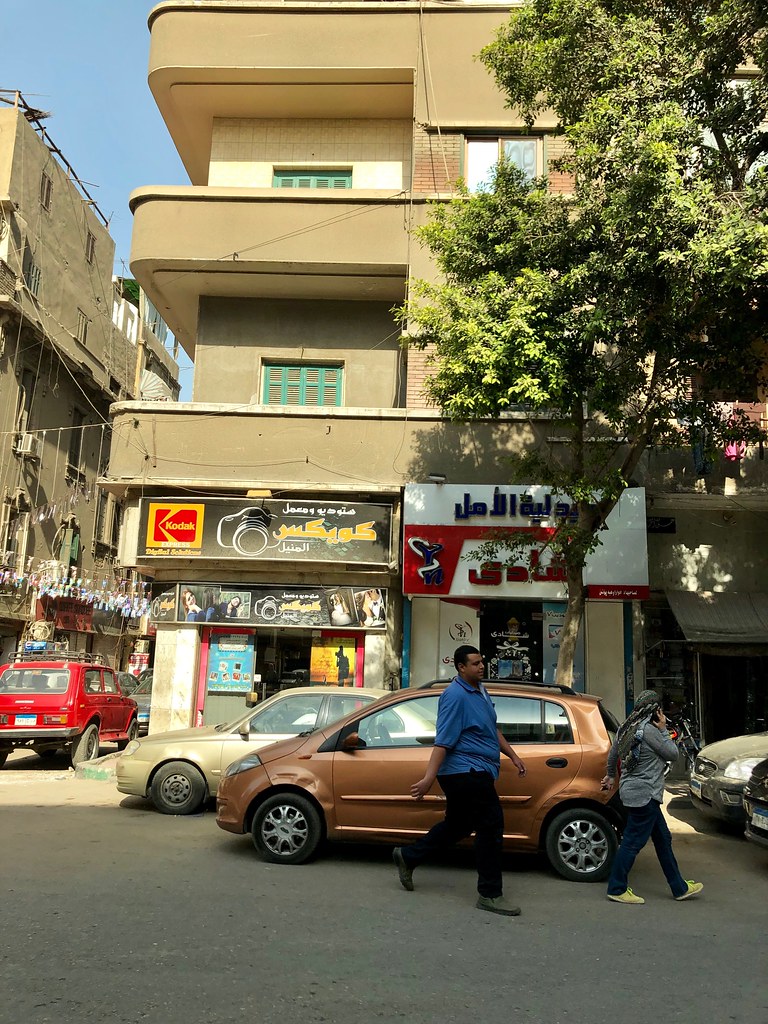
Cairo’s local government has introduced changes in urban planning intended to support job growth, improve public services, and enhance infrastructure within the city’s neighborhoods. These adjustments affect residents by targeting areas with underdeveloped commercial and service facilities, aiming to foster local economic development and improve the quality of daily life.
The importance of these planning decisions is underscored by Cairo’s expanding population and increasing demand for accessible jobs and reliable infrastructure. As the city grows, accommodating this demand through careful land use and service provision becomes essential to managing urban pressures. The emphasis on integrating employment centers and upgrading public utilities seeks to address challenges residents face such as commuting times, access to health and educational facilities, and overall urban congestion.
Impact on Jobs and Services for Residents
The policy adjustments prioritize mixed-use development and the allocation of space for small to medium enterprises within residential districts. By allowing flexible zoning that supports retail outlets, office spaces, and service providers, the city expects to create more local jobs within walking distance of homes. This approach aims to reduce travel times for many residents who currently commute long distances for work, thereby potentially lowering transportation costs and congestion.
In addition to employment opportunities, the planning changes focus on upgrading essential services including water supply, electricity, and waste management infrastructure. Developing this backbone is projected to improve service reliability and the overall living environment. For example, expanding utility networks in underserved districts will help meet the increased demand from population growth and new business activity.
Future Outlook and Implementation
The city government is expected to oversee phased implementation, beginning with priority districts identified as having high development potential and infrastructure deficits. While specific budgetary figures or timelines have not been publicly released, the planning authorities have signalled that community consultation and inter-agency coordination will play a role in the rollout. Residents can anticipate updates on the progress and periodic announcements as projects begin construction or service upgrades.
Overall, these planning policy changes reflect Cairo’s efforts to align urban development with the practical needs of its growing population. By targeting local jobs, essential services, and infrastructure improvement, the city aims to enhance everyday life for its residents while supporting sustainable urban growth.