news
Cairo's Daily Traffic Costs City Billions in Lost GDP
Vehicle counts, GDP losses and speed reductions quantify the pressures on the city's roads and alternatives.
How we reported this
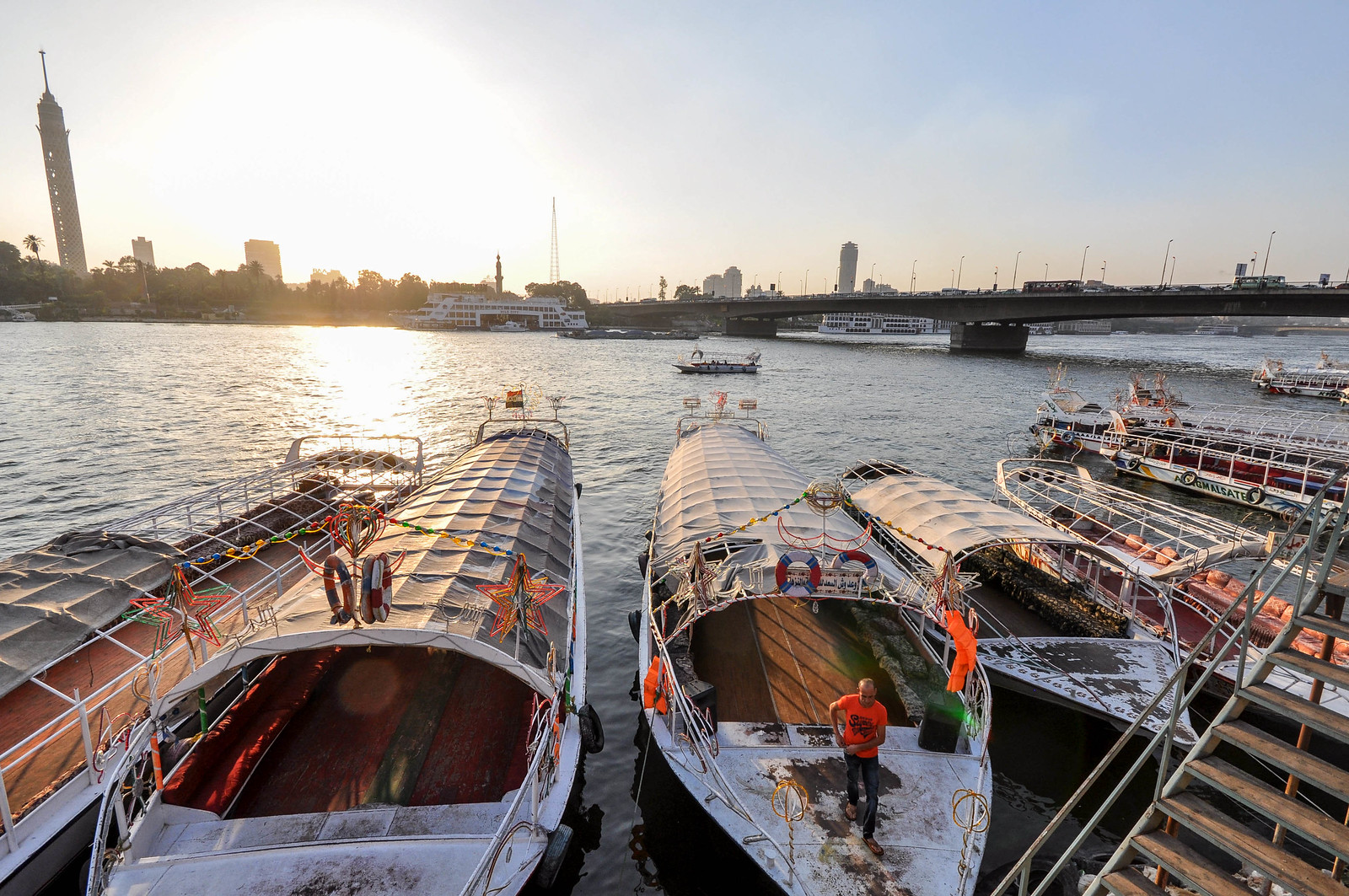
Cairo has over 4,500,000 cars on its streets, with 60% exceeding 10 years old and lacking modern emission controls. These figures come from transport records that track the city's road fleet and its age profile.
Vehicle Numbers and Fleet Age
The total exceeds 4,500,000 cars. Sixty percent of them are more than ten years old. Older vehicles without updated emission controls form the majority of the fleet operating daily across Cairo.
Economic Cost to the Country
Traffic congestion costs Egypt approximately 4% of its annual GDP. The losses stem from wasted time, excessive fuel consumption and vehicle wear-and-tear. This percentage reflects the cumulative daily impact measured across the national economy.
Peak Hour Speed Reductions
Peak traffic hours occur from 8:00-9:00 AM and 6:00-7:00 PM. Average speeds drop to 15-40 km/h on major corridors, roughly half their design speed. These timed reductions occur consistently during the two daily rush periods.
Metro as Primary Alternative
The Cairo Metro, Africa’s first, opened in 1987. It spans roughly 77.9-100 km across 3 lines and more than 60 stations. Fares range from 10-20 EGP. The system provides the fastest option for avoiding surface traffic.
Ride-Hailing and Other Options
Uber and Careem rank as the most reliable ride-hailing services. White taxis require meter use or pre-agreed pricing. Minibuses and buses are often old and crowded. These services operate alongside the metro for commuters seeking alternatives to private cars.
Residents can reduce exposure to peak-hour delays by checking metro schedules or booking Uber and Careem in advance. Using the metro during 8:00-9:00 AM and 6:00-7:00 PM windows offers the clearest measured time savings based on current network data.