news
Cairo's Vehicle Reliance Creates Peak Hour Traffic Chaos Across Major Corridors
Longstanding dependence on private cars has shaped daily movement across major corridors in Greater Cairo.
How we reported this
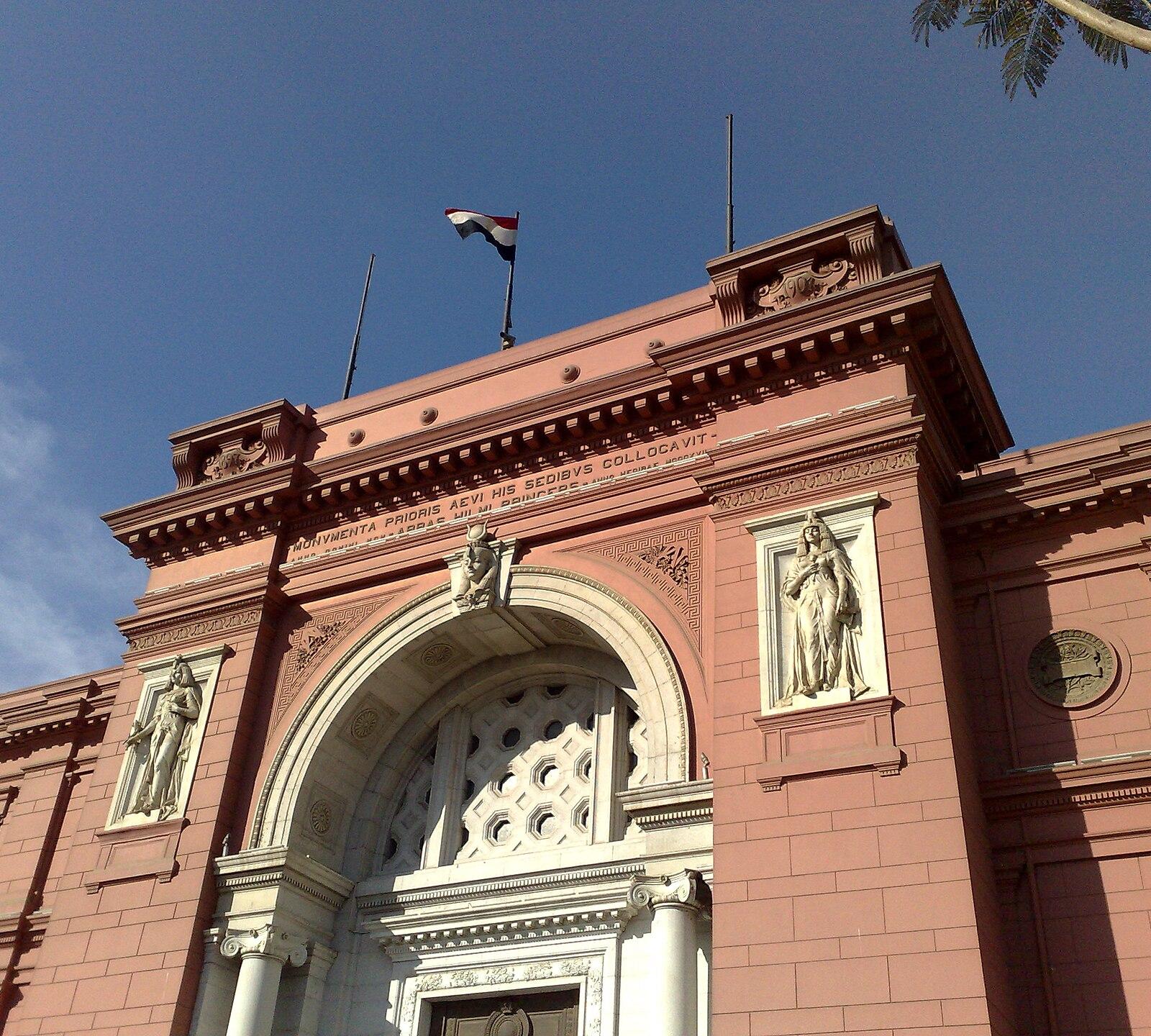
Cairo’s traffic often operates in a near-permanent rush-hour state, with average speeds on major corridors dropping to 15-40 km/h, roughly half their design speed.
Origins in Car Dominance
Private cars remain the dominant transport mode, accounting for 13% of transit while volumes reach 7,000 vehicles per hour per lane on critical arteries. This pattern developed as the city expanded without matching growth in alternatives, leaving roads to absorb most daily trips. The result is persistent slowdowns that affect commuters across the metropolitan area.
Role of Peak Periods
Peak congestion hits 8:00-9:00 AM and 6:00-7:00 PM, doubling travel times during these hours compared to non-peak periods. These windows reflect established work and school schedules that concentrate movement on the same routes each day. Over time the concentration has become self-reinforcing, with little relief available during the busiest stretches.
Cost to the Economy
Traffic congestion costs Egypt approximately 4% of its annual GDP, with an estimated 47 billion LE (8 billion USD) wasted annually in Greater Cairo due to delays and fuel waste. The figure captures lost productivity and excess fuel consumption that have accumulated alongside rising vehicle numbers. Residents and businesses feel the impact through longer journeys and higher operating expenses.
The Cairo Metro, Africa’s oldest and one of the world’s 15 busiest systems, is the fastest and most affordable way to skip road gridlock, running three lines across roughly 100 km with over 60 stations. Many travellers already turn to these lines to avoid surface congestion, though capacity remains stretched during the same peak windows that affect roads.
Future improvements will depend on continued investment in rail capacity and measures that reduce reliance on single-occupancy vehicles during the busiest hours. Residents seeking immediate relief can check current schedules for the existing metro network before heading out.