news
Egypt's Policymakers Navigate Critical Economic Choices Ahead
After years of reforms and international aid, Egypt stands at a pivotal moment to chart its next economic chapter amid domestic pressures and global challenges.
How we reported this
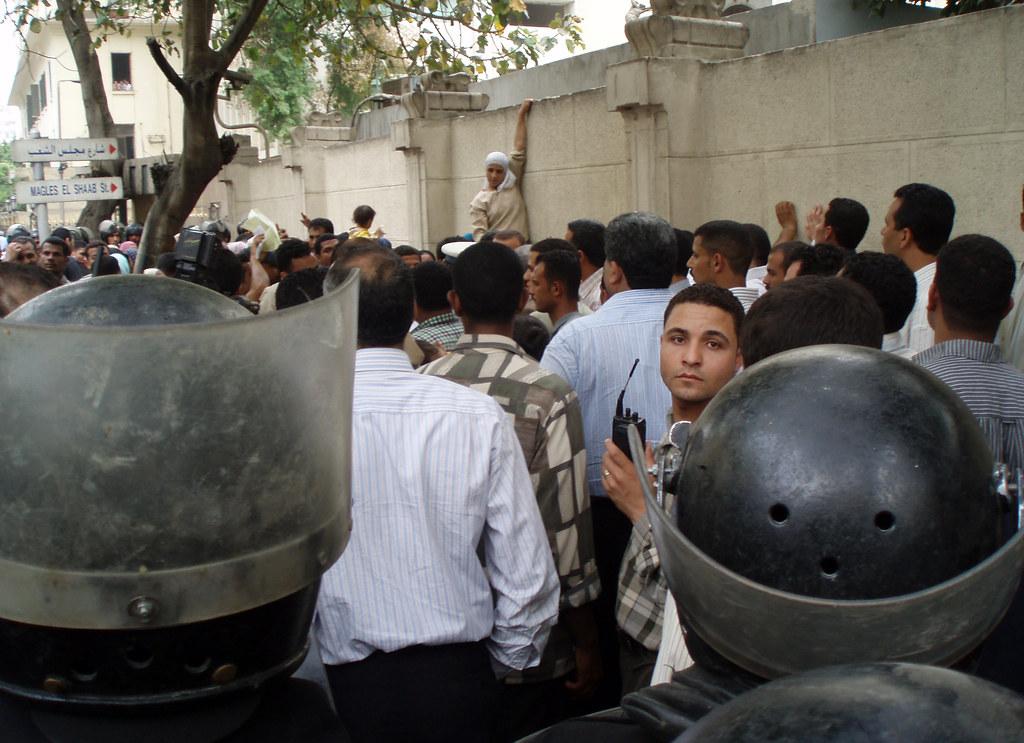
Egypt’s economy is at a crucial juncture, marked by ongoing reforms under President Abdel Fattah el-Sisi’s administration and the continued implementation of the IMF loan programme. Following the devaluation of the Egyptian pound, policymakers are facing critical decisions on subsidy policies, public spending, and economic diversification to ensure stability and growth.
Why This Moment Matters
Since entering into the IMF loan programme, Egypt has taken significant steps to stabilize its macroeconomic environment, including currency adjustments and subsidy reforms. However, these measures have sparked domestic debate over the affordability of essentials, particularly bread subsidies that remain a sensitive social and political issue in Cairo and across Egypt.
Adding to the challenge, the global landscape remains uncertain as international trade routes, notably the Suez Canal, fluctuate with geopolitical tensions and shifting maritime traffic volumes. The Canal’s revenues have traditionally been a vital source of foreign currency, underpinning Egypt’s import capacity and macroeconomic balance. Ensuring continued revenue from this waterway while boosting tourism recovery represents another policy puzzle.
Local Dynamics Shaping Economic Decisions
Inside Cairo and other urban centers, inflationary pressures affect everyday life, influencing the cost of living and consumer confidence. With projects like the New Administrative Capital advancing, there are opportunities for infrastructure-driven growth, yet these projects also require substantial capital and carefully calibrated public spending. The balance of investing in long-term growth versus immediate social welfare remains under scrutiny by government officials.
The local economy also depends on small and medium enterprises, many of which are in sensitive sectors overlapping with Coptic Christian communities and other minority groups. Stability in these local economic hubs is essential to maintain social cohesion and to support employment. Tourism sectors, slowly recovering from the pandemic downturn, are sensitive to both global perceptions and local socio-political developments.
Evidence From Recent Trends
While no current official figures were released today, qualitative evidence from ongoing market observations points to cautious optimism mixed with persistent vulnerabilities. The Egyptian pound’s realignment has improved export competitiveness but also raised import costs, prompting calls for targeted fiscal relief and strategic reforms.
Similarly, the bread subsidy remains a contested policy tool, critical for millions but costly for the state budget. Its adjustment will require carefully phased approaches to avoid social unrest. Meanwhile, increased activity around the Suez Canal underscores its continuing importance to the national economy, even as global shipping patterns evolve.
Looking Ahead: What Comes Next
Egypt’s policymakers must prioritize inclusive dialogue on economic reforms, balancing fiscal sustainability with social protection. Bread subsidies, public investment in the New Administrative Capital, and Suez Canal revenue management will be front and center in policy debates. Close monitoring of inflation, currency stability, and tourism flows will guide adjustments in the coming months.
For Cairo’s residents and businesses, preparing for continued change means adapting to a costlier import environment but also potential new opportunities from burgeoning infrastructure projects and renewed global trade engagement. Economic resilience will depend on transparent governance, targeted support for vulnerable communities, and agile policy responses to domestic and international developments.