news
Egyptian Authorities Evaluate Emergency Services Resources and Strategic Priorities
As challenges mount, Egyptian authorities must evaluate resources and strategic priorities to improve emergency response outcomes.
How we reported this
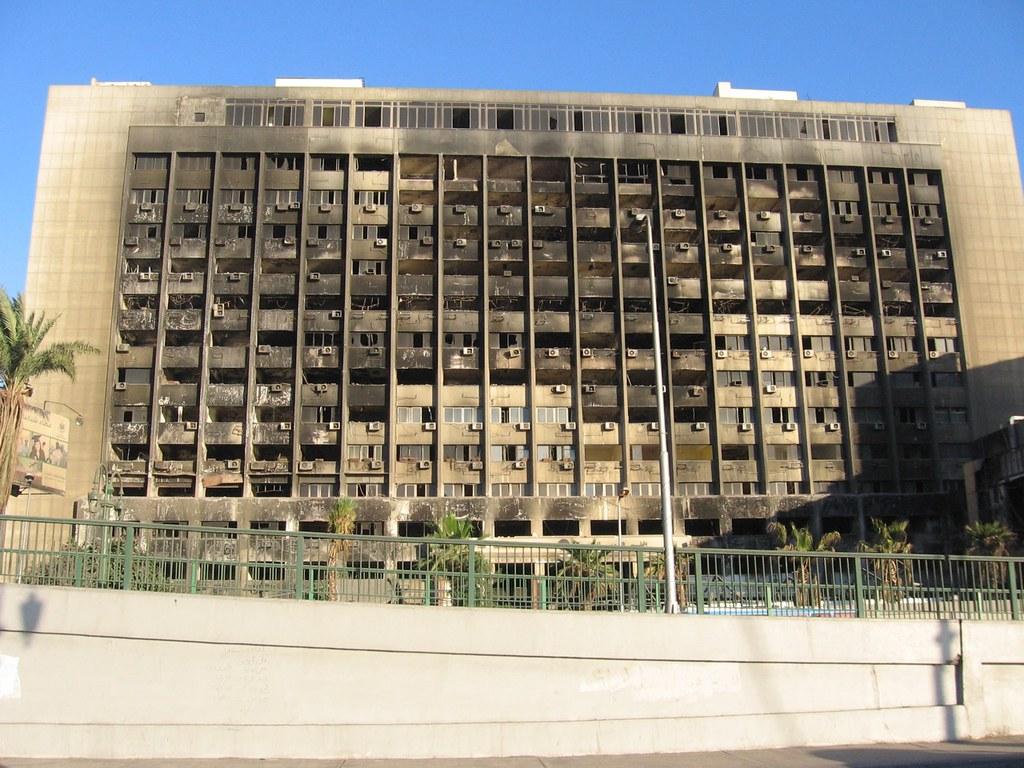
Emergency services across Egypt face critical decisions as they seek to enhance response capabilities amid evolving demands. The need for efficient coordination and improved resource allocation is increasingly urgent in the face of emergencies ranging from urban fires to security incidents.
Why This Matters Now
The importance of robust emergency services has come into sharp focus following recent tragic incidents, including a devastating fire in Bangkok that resulted in 28 deaths and numerous injuries. While this occurred abroad, it underscores vulnerabilities in emergency responses globally, raising concerns among Egyptian officials and civil society groups about preparedness and resource capacity within Cairo and other major cities.
Egypt's growing urban population and ongoing infrastructure projects, such as the New Administrative Capital development, demand comprehensive emergency planning. The ability to swiftly respond to crises directly impacts public safety as well as national reputation, particularly at a time when tourism is recovering and international commerce through the Suez Canal remains vital.
Current Local Landscape and Challenges
Within Cairo, emergency services are coordinated through a network of civil defense units and medical emergency teams, but gaps remain. The distribution of fire stations and ambulance dispatch points does not yet fully meet the coverage needs of sprawling urban neighborhoods. Additionally, training programs for emergency personnel face funding and logistical constraints.
Recent events in other countries have ignited discussions among policy makers about investing in upgrading equipment and integrating advanced communication technologies to reduce response times. The ongoing IMF loan program, which has entailed economic adjustments including currency devaluation, puts pressure on government budgets, complicating decisions regarding emergency service funding.
Moreover, bread subsidy policies highlight broader social welfare challenges that indirectly affect emergency service governance, as economic constraints influence prioritization of public sector spending.
Evidence and Practical Considerations
While no current Egyptian-specific emergency response statistics are available from provided sources, qualitative analysis indicates that notable improvements in staffing levels and equipment modernization would likely yield quicker response times and more effective incident management.
Given the scale of new urban developments such as the New Administrative Capital, where infrastructure and population continue to grow rapidly, authorities face pressure to expand emergency services accordingly. Balancing immediate operational needs with long-term planning will be key to addressing these challenges sustainably.
Next Steps and Recommendations
Moving forward, Egyptian authorities must undertake comprehensive assessments to identify critical gaps in emergency service capacity and develop a prioritized investment plan. Coordinating between civil defense, health services, and urban planners will be essential to create an integrated emergency response network.
Public education campaigns to increase awareness of emergency procedures and first-response actions can complement institutional upgrades. Additionally, leveraging technology, possibly modeled after newer intelligence and communication frameworks emerging in other nations, may enhance coordination efficiency.
Ultimately, decisions made in the coming months regarding funding allocations, personnel training programs, and infrastructure upgrades will shape Egypt’s ability to manage emergencies effectively, protecting both residents and the country’s international standing.