news
Cairo's Traffic Crisis: Data Reveals Congestion Scale and Mobility Breakdown
Analyzing traffic patterns and transport data reveals the scale of congestion and mobility issues in Egypt’s capital city today.
How we reported this
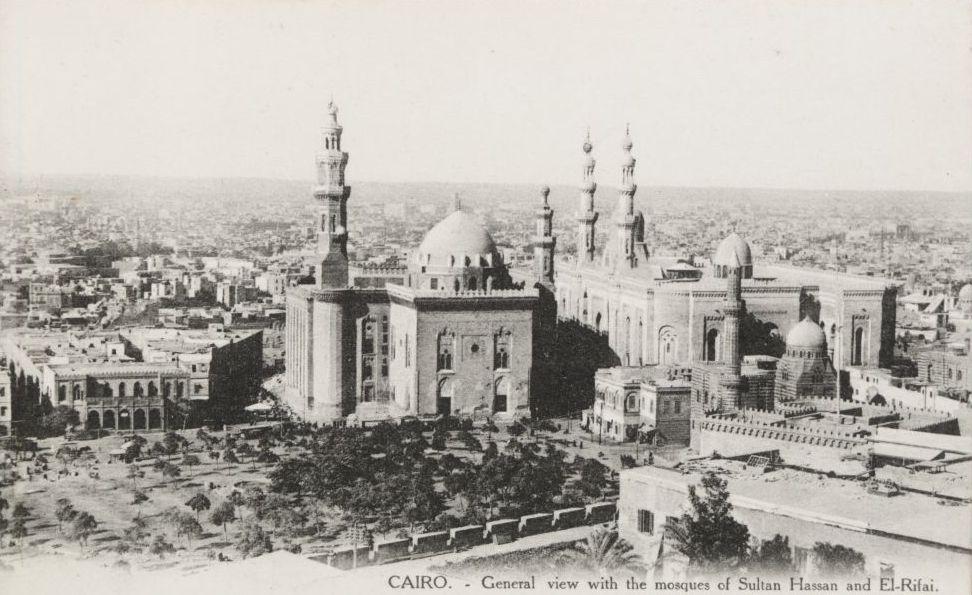
Cairo faces daily traffic congestion that hampers mobility for millions of residents. While quantitative details specific to Cairo’s roads remain scarce in recent public releases, a qualitative view based on ongoing economic and urban developments reflects significant transportation pressures in the city.
Why Traffic Data Matters Now
Egypt’s capital continues to grow amid major national projects such as the New Administrative Capital’s construction and ongoing economic adjustments under President Abdel Fattah el-Sisi’s administration. These initiatives influence population distribution, commuting patterns, and demand for transport infrastructure. As the Egyptian pound experiences volatility linked to IMF loan conditions and inflationary pressures mount, daily transport costs and accessibility feel an increasing strain for Cairo’s working population. Meanwhile, tourism recovery brings more vehicular movement in key urban hubs. Understanding the numbers behind traffic helps target policy and investment to ease Cairo’s notoriously dense streets.
Local Transport Details and Pressures
Transport infrastructure in Cairo includes a mix of private vehicles, minibuses, trams, and the metro system. Many areas such as Nasr City, Heliopolis, and downtown see prolonged rush hour gridlock, while alternative transport options like the metro remain essential for affordability and speed. Notably, the government has promoted expansions of the metro network and investment in road projects around vital arteries like the Ring Road and Salah Salem Street, aiming to accommodate growing commuter demand. However, without released traffic volume statistics or specific congestion index values, analyses rely on qualitative observations and public feedback to gauge severity.
Daily life is affected by slow commutes and erratic public transport service levels. Economic pressures, including fuel price adjustments following currency shifts, further complicate choices for households balancing cost and convenience of travel. Civil society groups continue to advocate for improved data transparency to measure the impact of urban planning efforts and evaluate initiatives like traffic signal upgrades or carpool lanes in congested zones.
Evidence of the Traffic Challenge
While no recent statistics pinpoint Cairo’s traffic volumes or average commuter times, the city’s registered vehicle fleet has steadily increased over the years, raising demands on infrastructure. Global comparisons suggest Cairo ranks among cities with some of the longest cumulative traffic delays, confirmed by anecdotal commuter reports. Urban development patterns have expanded travel distances for many workers, exacerbating congestion during peak periods.
Moreover, economic indicators tied to transport costs impact household budgets, as inflation and currency fluctuation translate into higher operating expenses for both private cars and public transport providers. These factors combined hint at a complex layer of challenges surrounding mobility in Egypt’s capital, underscoring the need for comprehensive traffic data to inform future policies.
Practical steps taken by Cairo’s authorities include ongoing investments in the metro network’s extension, enabling faster cross-city travel without reliance on road traffic. Enhancements to traffic management systems and encouragement of teleworking options also form part of a multi-pronged strategy addressing congestion. Residents are advised to plan journeys considering typical peak hour delays and utilize public transit where possible to avoid worsening road saturation.
Greater transparency from official sources on real-time traffic statistics and commuter patterns would vastly improve targeted solutions. Until then, qualitative assessments grounded in local economic and infrastructural realities remain critical to understanding the scale of Cairo’s transport and traffic challenges.