news
Cairo Residents Weigh In on City Council's Latest Decisions
Residents reflect on how recent municipal actions affect daily life and neighborhood futures.
How we reported this
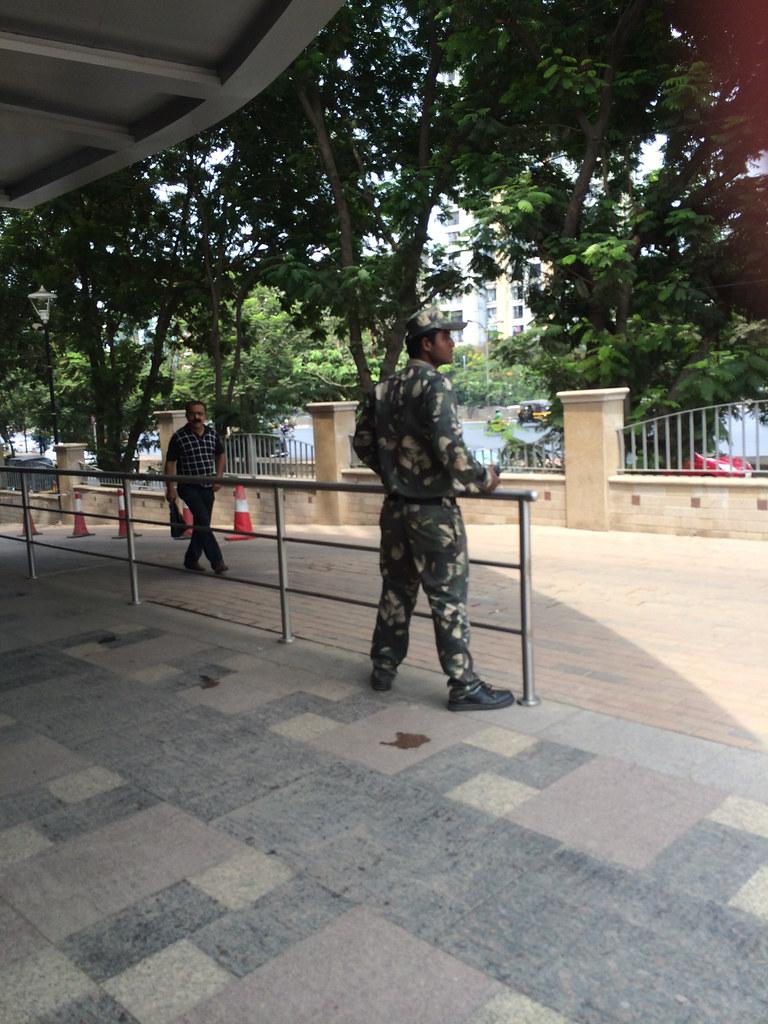
The Cairo City Council's latest round of decisions has stirred diverse reactions among residents across the capital. Community members from districts varying in socioeconomic backgrounds voiced concerns and hopes regarding the impacts these policies might bring to their neighborhoods.
Why Council Actions Matter Now
This comes at a pivotal time as the city navigates ongoing economic pressures under the Abdel Fattah el-Sisi administration, including currency fluctuations and subsidy reforms that directly influence citizens’ purchasing power and access to basic services. Cairo’s rapid urban expansion, particularly around the New Administrative Capital, has also raised questions about resource distribution and infrastructure development in established areas.
Local communities are already coping with the aftermath of changes in subsidy programs and fluctuating food prices, especially bread, which remains a daily staple. The city council’s agenda this month touched on municipal services adjustments and urban planning measures that could shift the balance in affected areas significantly.
Community Perspectives from Across Cairo
Residents from neighborhoods like Imbaba, Zamalek, and Helwan expressed mixed feelings. In Imbaba, where infrastructure challenges persist, several inhabitants highlighted worries over potential reductions in public service funding. Meanwhile, in the more affluent Zamalek district, community groups showed cautious optimism about urban renewal initiatives but remain vigilant about affordable housing availability.
Shoppers at the Attaba market and workers near Ramses Street pointed out the daily realities they face with rising living costs aggravated by broader economic shifts. Several community advocacy groups underscored the importance of inclusive urban policies that address not only development projects but also the socioeconomic disparities residents experience.
Though exact statistics about affected populations or budget adjustments were not provided by council releases at this time, qualitative evidence gathered from residents and local organizations paints a picture of unease mixed with a determination to influence forthcoming municipal actions.
Looking ahead, engagement between city officials and community representatives remains crucial. Residents are advised to participate in neighborhood meetings and voice their concerns during public consultations to shape outcomes that better accommodate their needs. Monitoring city council communications and local media can provide timely updates on upcoming projects and any shifts in public service delivery.