news
Emergency Services in Egypt: Officials and Experts Discuss Current Challenges and Priorities
Amid ongoing regional tensions and environmental risks, Egyptian authorities and specialists share perspectives on the state and future of emergency response readiness.
How we reported this
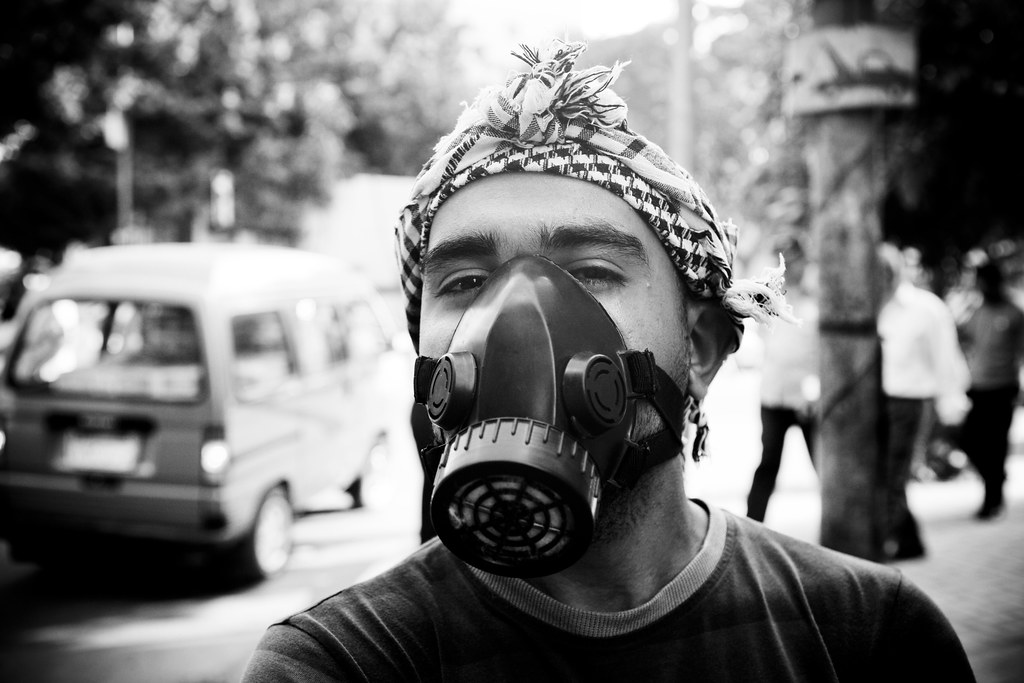
Egyptian emergency services officials, experts, and community leaders have recently highlighted the vital importance of preparedness and resilience in the face of increasing regional and environmental challenges. Though no singular crisis dominates headlines today, the interplay of geopolitical pressures and climate hazards prompts a focused discourse on strengthening emergency response capabilities within the country.
Why Egypt's Emergency Services Matter Now
In recent weeks, persistent tensions in the Middle East, including military exchanges near the Strait of Hormuz, have underscored Egypt’s strategic role as a hub of stability. Additionally, the country faces ongoing environmental stresses such as heatwaves and drought conditions that raise the likelihood of wildfires and health emergencies. This confluence places emergency response mechanisms under renewed scrutiny among policymakers and experts striving to safeguard public safety and economic interests, notably near critical infrastructures like the Suez Canal and expanding urban centers.
During public statements and security forums, officials have stressed how emergency services must adapt to evolving risks and maintain readiness against both human-made and natural hazards. The complexity of contemporary threats demands coordination across civil protection units, healthcare systems, and disaster management agencies to minimize potential disruptions to daily life and commerce.
Local Focus: Coordination and Capacity Building
Within Cairo and governorates, civil defence authorities, medical emergency teams, and volunteer organizations continue to explore improvements in rapid response protocols. Discussions have included upgrading communication networks, investing in training programs, and enhancing collaboration with international partners experienced in complex emergency scenarios. The New Administrative Capital, as a growing urban hub, has been a focal point for testing integrated emergency drills and resource mobilization strategies.
Experts also emphasize the need for public awareness campaigns targeting neighbourhoods prone to flooding or industrial accidents to boost community resilience. Given the economy’s sensitivity to global trade flows, especially through the Suez Canal, emergency preparedness extends beyond urban locales to ports and transportation corridors to protect vital economic arteries.
Assessing the Evidence: Qualitative Insights
While specific data on emergency response outcomes in Egypt remain limited in public releases, qualitative assessments by observers indicate gradual improvements in institutional coordination and resource availability. Sources close to civil defence units note an increasing emphasis on inter-agency exercises and technology adoption to enhance situational awareness and rapid deployment capabilities.
Officials acknowledge challenges such as funding constraints and the need to modernize equipment, but assert that lessons drawn from recent regional emergencies and natural incidents underscore the urgency of continued investments. The balance between economic austerity measures and public service expenditures remains a point of policy debate.
Practical recommendations emerging from these expert discussions urge citizens to stay informed about official guidance, participate in community preparedness efforts, and support local emergency initiatives. Authorities encourage greater engagement to foster a culture of readiness, noting that well-informed communities contribute significantly to successful emergency outcomes.
In sum, Egyptian officials and experts advocate a steady yet adaptable approach to emergency services enhancement, recognizing the dynamic threats facing the nation. Maintaining vigilance, encouraging collaboration, and investing in capability development remain central themes as Egypt navigates a challenging security and environmental landscape.