news
Cairo Launches Major Infrastructure Projects Rivaling Global Megacities
While grappling with economic pressures, Cairo advances major projects that rival initiatives in other international urban centers.
How we reported this
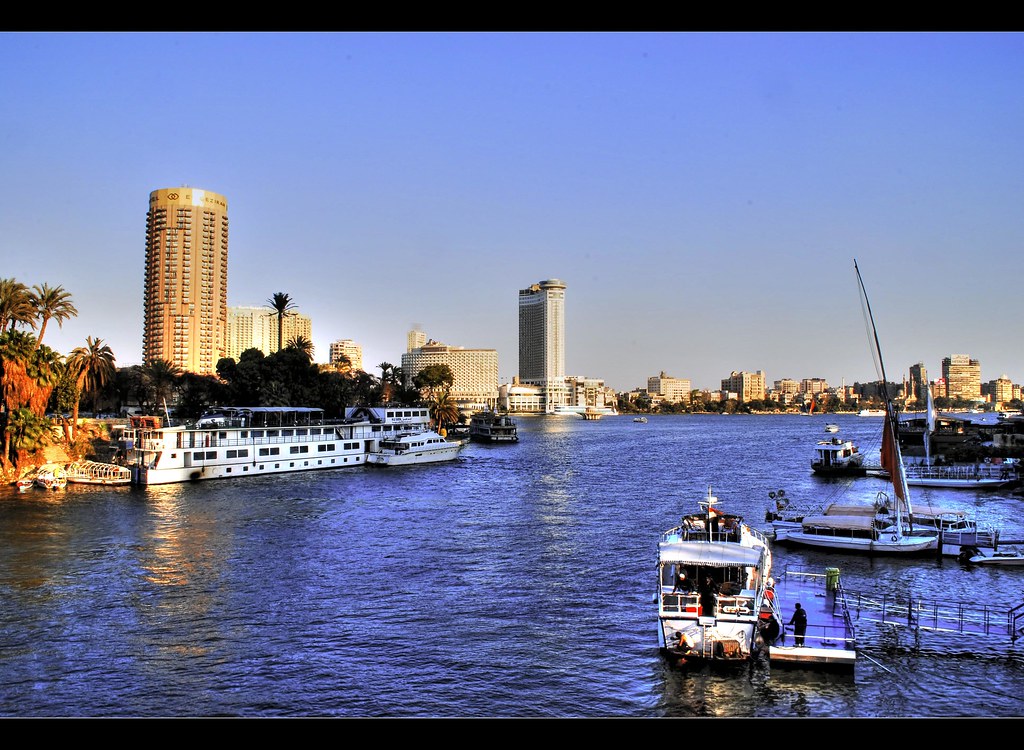
Cairo is accelerating its infrastructure development with a series of high-profile projects that position the city ahead of many global counterparts. The construction of the New Administrative Capital continues to advance, alongside upgrades to public transport systems and water infrastructure, reflecting a determined push amidst challenging economic conditions.
Economic Pressures and Strategic Priorities
Egypt’s economy is under strain following successive rounds of currency devaluation and inflation linked to the IMF-backed reform program. Yet, despite reduced fiscal space, the government has prioritized infrastructure as a lever to spur long-term growth and regional competitiveness. This focus is now critical as Cairo expands rapidly with a population surpassing 20 million, requiring massive investments in housing, transportation, and utilities.
The New Administrative Capital, located east of the existing city, is central to this vision. Envisioned as a modern hub housing government offices and new residential zones, it aims to alleviate Cairo’s congested urban core. Meanwhile, ongoing upgrades to the Cairo Metro-one of the busiest in Africa-and road networks seek to improve daily commutes and reduce pollution.
Local Initiatives and International Comparisons
Two major initiatives define Cairo’s current trajectory. The Infrastructure Development Company, a state entity, is orchestrating water and sewage upgrades in underserved districts like Helwan and Shubra. Meanwhile, the Egyptian National Railways has unveiled a phased plan to expand the metro lines, with Line 4 scheduled for partial opening in late 2027.
On the ground, work along Salah Salem Street focuses on widening carriageways and installing new smart traffic signals designed to cut congestion during peak hours. At the same time, New Cairo’s green spaces are being enhanced as part of urban sustainability efforts linked to the capital’s expansion.
Compared to other megacities such as Lagos or Jakarta, Cairo’s strategic push is notable for its integrated government approach. Whereas many cities struggle with fragmented initiatives, Cairo’s centralized planning under President Abdel Fattah el-Sisi’s administration allows coordination across sectors. However, the costs remain significant: the New Administrative Capital alone carries an estimated price tag exceeding $45 billion, backed by a mix of public funds and foreign investments.
Moreover, the government has been cautious to avoid overly ambitious timelines seen in other fast-growing cities, aiming instead for gradual progress to mitigate risks related to economic shocks or political instability.
Data Highlights and Looking Ahead
Recent figures indicate that over 30% of Cairo’s population currently lack reliable access to clean drinking water, highlighting the urgency of infrastructure improvements. The water projects underway target a 15% improvement in service reliability by 2028. Additionally, the Cairo Metro serves approximately 4 million passengers daily, with expansions expected to increase capacity by 40% over the next five years.
Financing for these projects remains a delicate issue. The Egyptian pound’s 20% devaluation since early 2025 has increased the cost of imported materials and technology, potentially slowing some initiatives. Yet, government officials emphasize partnerships with Gulf investors and Chinese construction firms to bridge funding gaps.
For Cairo residents, these efforts translate into tangible changes: shorter commutes on the metro, improving road safety, and better public amenities in areas long neglected. However, the benefits will be uneven initially, with peripheral districts like Helwan still facing delays in service upgrades.
Going forward, Cairo’s infrastructure trajectory will depend on maintaining financial discipline while scaling projects efficiently. Stakeholders advise continued focus on public transport integration, smart urban planning, and increasing investment in renewable energy to ensure sustainability. For citizens, staying informed through local government portals and community forums can provide clarity on project timelines and opportunities for public input.