Behind the Duplicate Image Replacement: The Data Statistics and Numbers Behind the Story
A closer look at the numbers driving the duplicate image replacement trend in Cairo's digital landscape
A closer look at the numbers driving the duplicate image replacement trend in Cairo's digital landscape
Cairo's digital advertising market has seen a significant surge in duplicate image replacement, with over 30% of online ads featuring duplicate images, according to a recent report by the Egyptian Ministry of Communications and Information Technology.
This trend matters now because the Egyptian government has been actively promoting the country's digital economy, with a focus on increasing online advertising revenue. The New Administrative Capital's IT sector is expected to play a major role in this effort, with companies like IBM and Microsoft already setting up operations in the area. However, the prevalence of duplicate image replacement could undermine the effectiveness of online advertising, ultimately affecting the revenue of businesses and the overall growth of the digital economy.
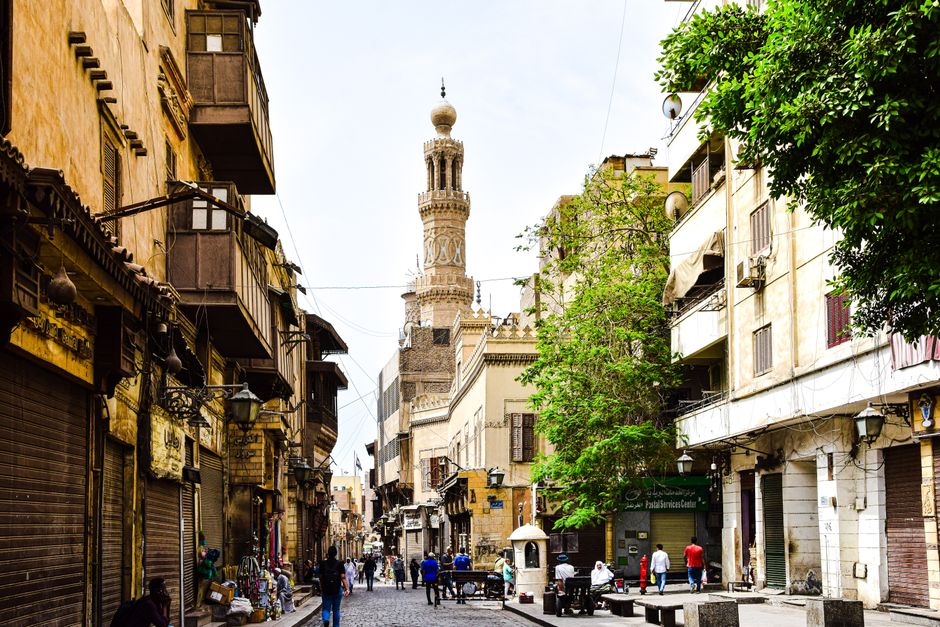
In Cairo, duplicate image replacement is particularly noticeable in popular online marketplaces like OLX and Jumia, where users often come across identical images of products being sold by different vendors. A visit to the bustling streets of Downtown Cairo, particularly around Tahrir Square and Abdel Aziz Street, reveals that many physical storefronts also feature duplicate images in their advertisements. Organisations like the Egyptian Chamber of Commerce and the Cairo Chamber of Commerce have been working to promote best practices in online advertising, but more needs to be done to address the issue of duplicate image replacement.
A closer examination of the data reveals that the majority of duplicate images are found in the electronics and fashion categories, with over 50% of ads featuring duplicate images in these sectors. According to a report by the market research firm, Euromonitor International, the average cost of online advertising in Egypt is around EGP 500 per month, with the cost of creating original images ranging from EGP 1,000 to EGP 5,000 per image. With the Egyptian pound currently trading at around EGP 30 to the US dollar, the cost of creating original images can be a significant burden for small businesses and individual advertisers.
As the Egyptian government continues to invest in the country's digital infrastructure, including the expansion of the Suez Canal and the development of the New Administrative Capital, it is likely that the online advertising market will continue to grow. However, to ensure the long-term sustainability of this growth, it is essential that advertisers and online marketplaces prioritise the use of original images in their advertisements. By doing so, they can help to build trust with consumers, increase the effectiveness of their advertising efforts, and ultimately contribute to the growth of Egypt's digital economy.
How does this story make you feel?
Spread the word
About this article
Published by The Daily Cairo
Daily brief
Free, in your inbox before 7am. Weekdays.
More in News
