Cairo Addresses Duplicate Image Problem: What Led To Crisis
A closer look at the factors leading to the duplicate image replacement issue in Cairo's digital landscape
A closer look at the factors leading to the duplicate image replacement issue in Cairo's digital landscape
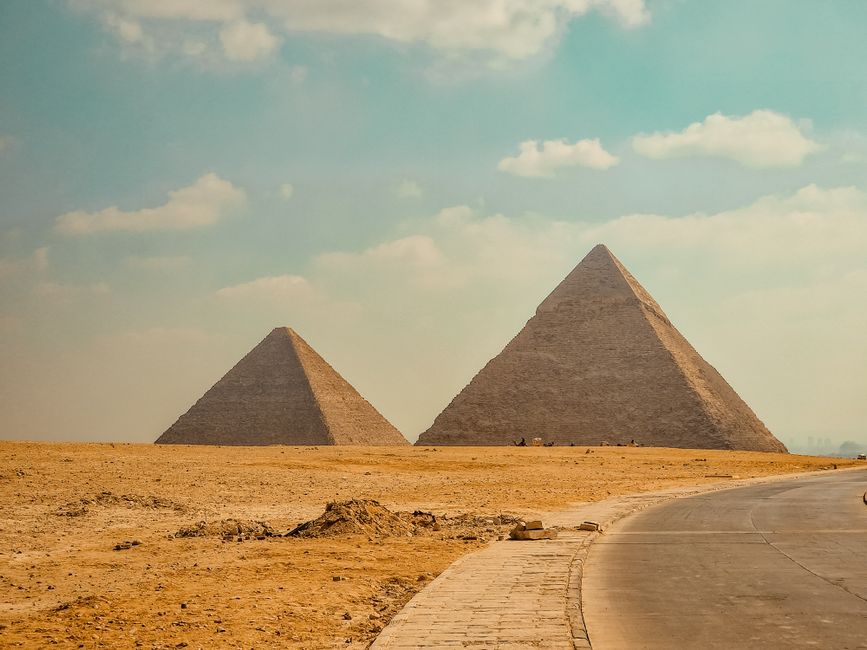
Cairo's digital infrastructure has been plagued by a growing issue of duplicate image replacement, where original images are being replaced by duplicates, causing confusion and disrupting the city's online presence.
This issue matters now because it affects not only the city's tourism industry, which relies heavily on digital marketing, but also the local businesses and organisations that use digital platforms to reach their audience. With the Egyptian pound devaluation and the IMF loan programme, the city is looking to boost its economy, and a stable digital infrastructure is crucial for this. The New Administrative Capital construction and the Suez Canal revenue are also dependent on a well-functioning digital system.
In Cairo, the duplicate image replacement issue is particularly evident in areas such as Downtown Cairo, where many businesses and organisations have their online presence. For example, the Egyptian Museum on Tahrir Square and the Khan el-Khalili market have seen their online images replaced by duplicates, causing confusion among tourists and locals alike. The Cairo University and the American University in Cairo have also reported issues with their online images, highlighting the need for a solution to this problem. The Al-Azhar Mosque and the Coptic Cathedral in Abbassia are also affected, with their online images being replaced by duplicates, which can have serious consequences for the city's religious and cultural institutions.
According to data from the Ministry of Communications and Information Technology, the number of reported cases of duplicate image replacement has increased by 25% in the past year, with over 1,000 cases reported in the first quarter of 2026 alone. The ministry has announced plans to invest EGP 100 million in improving the city's digital infrastructure, including the development of a new system to detect and prevent duplicate image replacement. The National Telecommunication Regulatory Authority has also reported that the number of internet users in Egypt has reached 50 million, with 75% of them using the internet for online shopping and browsing, highlighting the need for a reliable digital system.
As the city moves forward, it is essential to address the duplicate image replacement issue to ensure that Cairo's online presence is stable and reliable. The city's residents and businesses can take practical steps to prevent this issue, such as regularly updating their online images and using secure digital platforms. The government and local organisations can also work together to develop a comprehensive plan to address this issue and improve the city's digital infrastructure. With the right approach, Cairo can overcome this challenge and continue to grow and develop as a major digital hub in the region.
How does this story make you feel?
Spread the word
About this article
Published by The Daily Cairo
Daily brief
Free, in your inbox before 7am. Weekdays.
More in News
